Choosing a study desk for a child involves more than matching bedroom colors. The right desk supports posture, concentration, independence, and everyday comfort. A desk that looks attractive may still be too high, too narrow, or difficult to clean.
Parents often ask how to choose a study desk for a child. A practical answer begins with the child’s current measurements and daily habits. Feet should rest firmly on the floor, while elbows remain near a right angle during writing. The desktop should provide space for books, a lamp, and an open notebook without feeling crowded. Adjustable desks can accommodate growth, but adjustment systems must be stable and simple to use.
Safety deserves close attention. Rounded corners, strong joints, non-toxic finishes, and reliable anti-tip features can reduce common household risks. A matte surface may also limit distracting glare near a window. Materials matter too, especially when children spill drinks or press hard while drawing. Solid wood feels durable, while quality engineered boards can offer practical value when properly finished.
Small details often matter most.
Experience shows that children may reject a desk that adults consider ideal. A perfect ergonomic setup can fail if it feels uncomfortable or boring. Personal preferences, room lighting, chair height, and storage needs should be tested together. Measurements can change quickly, so decisions should be reviewed over time. This guide combines practical observations with established ergonomic principles, helping families make a safer, more informed choice without assuming one desk suits every child.
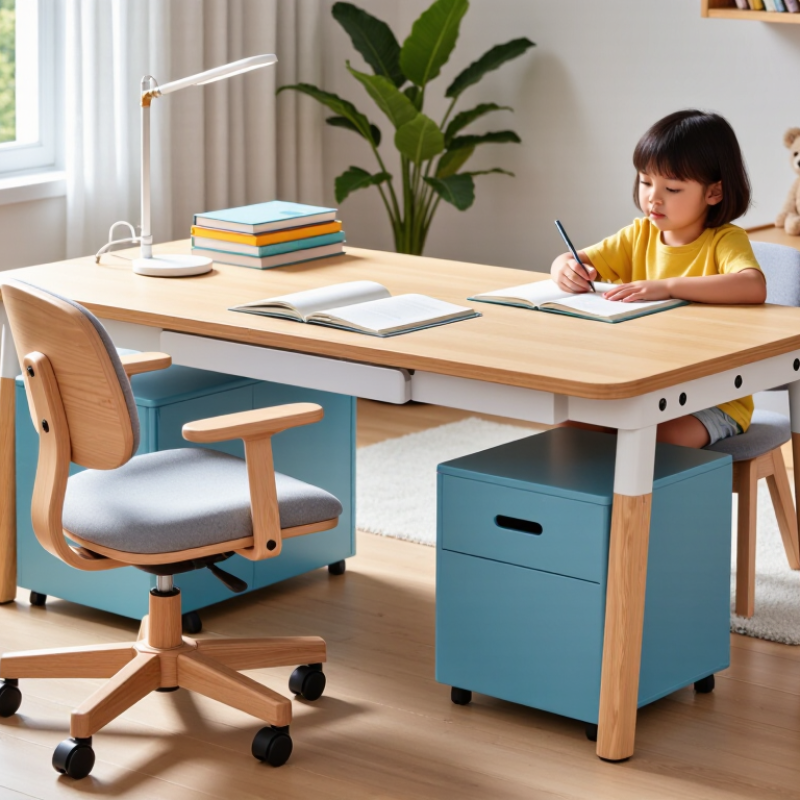
A child’s study desk should match the work it will support. A basic flat desk suits reading, handwriting, and daily worksheets. It works well for younger children who need a clear, open surface. Look for rounded edges, stable legs, and enough knee space. A shallow drawer can hold pencils without swallowing useful workspace.
An adjustable desk supports growing children. Its height and chair position can change as the child grows, helping keep feet supported and elbows near the desktop. This type suits regular homework, drawing, and longer study sessions. A computer desk is intended for older children using a monitor or keyboard. It needs cable management, screen distance, and space for notebooks. A desk with a raised shelf may save room, but it can also make the surface feel crowded.
An art desk serves painting, cutting, and model-making. A washable top is useful when glue or paint spills. It should still leave room for an open book. A loft desk combines sleeping and studying in a small room, although climbing access and supervision deserve careful attention. Storage desks help children organize books, but excessive compartments can distract them. I once assumed more storage meant better organization; it often became a hiding place for unfinished work. Measure the room, observe the child’s habits, and choose the type that supports real activities rather than an ideal routine.
A suitable study desk should match the child’s body, habits, and room. Measure the child, not only the available space.
When seated, feet should rest flat on the floor, with knees near a right angle. The desktop should let shoulders stay relaxed while writing. Elbows should rest comfortably without lifting the arms.
Comfort matters. Adjustable height can support growth, but adjustment controls must be secure and easy for an adult to check. Occupational therapy guidance often emphasizes neutral posture and regular movement. A desk cannot replace healthy breaks.
Stability is equally important. Gently press each corner before buying, and avoid desks that wobble on ordinary flooring. Choose rounded edges and a surface that resists scratches, especially for younger children.
Storage should keep pencils and books nearby without crowding the writing area. A small drawer may be more useful than deep shelves. Leave enough legroom for changing positions.
Position the desk near natural light, but prevent glare on notebooks or screens.
In my experience, children use a desk more consistently when they help choose its height and arrangement.
I once focused too much on appearance and overlooked cable placement. That mistake made cleaning difficult.
A washable surface, sturdy chair, and uncluttered lamp often matter more than decorative details. Recheck the setup as the child grows.
A child’s desk should fit the body today and adjust for tomorrow. Measure the child while seated, not standing. Their elbows should rest near a 90-degree angle, with relaxed shoulders and a straight back. Feet should touch the floor. If they dangle, add a stable footrest instead of raising the chair too high.
Leave enough knee space for natural movement. The desktop should hold books, a lamp, and writing materials without crowding the child’s elbows. Adjustable legs or a height-changing surface can extend the desk’s useful years. However, adjustability is not automatically better. Check that every setting locks firmly and moves without pinching fingers.
I once chose a desk based only on its listed age range. That mistake mattered. The surface felt too high, and the child leaned forward after ten minutes. A practical fitting check works better: ask the child to write, read, and draw for a few minutes. Watch for raised shoulders, bent wrists, or a rounded back. Recheck the fit every few months, especially after a growth spurt. Children grow unevenly. A desk that fits perfectly in spring may feel cramped by autumn.
Choosing a study desk for a child involves more than matching room colors. Ergonomics should guide the decision. The desktop should allow relaxed shoulders, bent elbows, and wrists resting naturally while writing. Ideally, the child’s feet should touch the floor. An adjustable chair can help, but it cannot fully correct a desk that is too high.
Safety deserves close attention. Choose a stable frame that does not wobble when a child leans forward. Rounded corners reduce painful bumps, while covered screws and smooth edges protect small hands. Check drawers for safe stops, and keep cables away from walking paths. A desk may look sturdy in a showroom, yet daily use can reveal movement. Test it before purchase when possible.
Tips: Measure the child, chair, and available space together. Select a surface large enough for books, paper, and a reading lamp. Materials should be durable, easy to clean, and free from strong chemical odors. Wood, metal, and responsibly made boards can all work when construction is sound. Look for reliable safety information and clear care instructions. I sometimes prefer a simpler desk over a feature-heavy one; extra parts can break or distract. Still, simplicity is not automatically safer. Inspect hinges, joints, and finishes regularly, because even a well-made desk needs attention.
Ergonomics, safety, and material considerations based on standardized desk-height reference values.
Match the child’s current stature to the closest reference range, then select a desk that allows relaxed shoulders, forearms resting comfortably on the surface, and feet supported on the floor or a footrest. Children grow quickly, so an adjustable desk can provide a longer usable life.
Choose a height that keeps elbows near the desktop and encourages an upright posture without lifting the shoulders.
Look for rounded edges, a stable base, secure adjustment mechanisms, and anti-tip protection where appropriate.
Prefer durable, easy-clean surfaces with low-emission finishes and joints that remain secure during everyday use.
Reference: EN 1729-1 educational furniture size-mark values. Measurements are indicative reference values; check applicable local standards and the child’s individual fit.
How to Choose the Best Study Desk for a Child?
A well-organized desk can make schoolwork feel less overwhelming. It should give every item a clear, reachable place. Choose a surface wide enough for books, paper, and a writing tool. Too much empty space can also invite clutter. A drawer or side compartment helps separate daily supplies from occasional materials. Open shelves work well for books, but they can become messy quickly. Use small containers to group pencils, rulers, and art supplies.
Adjustable height matters as children grow. Their feet should rest flat, while elbows remain close to the desktop. A chair and desk should support an upright posture without forcing stiffness. Rounded edges reduce bumps during busy moments. A stable frame prevents distracting movement when a child writes. Check whether the desk is easy to clean. Spilled water and pencil marks are normal.
Focus also depends on the desk’s surroundings. A small cable opening can keep lamp wires away from working hands. Soft, even lighting reduces shadows on the page. Keep screens outside the main writing area when possible. I once underestimated how distracting a crowded pencil cup could become. Children often need fewer visible choices, not more. A quiet color may help, but personal preference still matters. Let the child test the desk before buying. Five minutes of real use can reveal awkward storage, uncomfortable height, or poor reach. No desk solves every attention problem. That part needs patience and adjustment.
| Selection Feature | Recommended Standard | Why It Supports Organization and Focus | What to Check Before Buying | Priority |
|---|---|---|---|---|
| Desk Height | Choose a height that allows the child’s elbows to rest near a 90-degree angle while the shoulders remain relaxed. | Correct positioning reduces unnecessary reaching and supports a comfortable writing and reading posture. | The child should be able to place both feet flat on the floor, or use a stable footrest. | ★★★★★ |
| Height Adjustability | A height-adjustable desk can accommodate growth and changing chair heights. | Adjustability helps maintain suitable ergonomics as the child becomes taller, reducing the need for frequent replacement. | Check the adjustment range, locking mechanism, stability at the highest setting, and whether adjustments can be made safely. | ★★★★★ |
| Work Surface Depth | Approximately 50–60 cm is generally practical for books, writing materials, and a task light. | Adequate depth keeps frequently used items visible without forcing the child to work too close to the desk edge. | Measure the available room and leave enough space for the chair to move back comfortably. | ★★★★★ |
| Work Surface Width | Approximately 90–120 cm provides useful space for homework, reading, and basic supplies. | A wider surface allows separate zones for writing, reference materials, and completed work. | Ensure the surface is large enough for the child’s main school materials without becoming a dumping area. | ★★★★☆ |
| Surface Finish | Use a smooth, matte, easy-to-clean surface with rounded or softened edges. | Matte finishes produce less glare than glossy surfaces, while easy cleaning supports an orderly workspace. | Look for a surface that does not wobble, peel easily, or reflect strong light toward the child’s eyes. | ★★★★☆ |
| Storage Capacity | Include at least one drawer, shelf, or nearby organizer for everyday supplies. | Dedicated storage gives books, stationery, and papers a consistent location, reducing visual clutter. | Prefer storage that is reachable from the seated position but does not reduce legroom. | ★★★★★ |
| Open Storage Zones | Use one or two clearly defined open compartments for items used daily. | Visible, limited storage makes frequently used materials easier to find and return after use. | Avoid excessive open shelving if the child is easily distracted by many visible objects. | ★★★★☆ |
| Cable Management | Look for a rear cable hole, cable tray, or routing channel if electronic devices will be used. | Organized cables keep the work area clearer and reduce the risk of snagging or accidental pulling. | Cables should be secured away from the child’s feet and should not cross the main writing area. | ★★★☆☆ |
| Legroom and Stability | Provide unobstructed knee space and a rigid frame that does not rock during writing. | Stable furniture reduces interruptions and helps the child maintain a consistent working position. | Test the desk by applying gentle pressure to the front and sides; movement should be minimal. | ★★★★★ |
| Lighting Compatibility | Leave room for an adjustable task light without blocking books or the child’s writing hand. | Good task lighting improves visibility and helps reduce shadows and glare during close work. | Place the light opposite the writing hand when possible; for a right-handed child, position it on the left, and reverse for a left-handed child. | ★★★★☆ |
| Screen Position | If a monitor is used, place it directly in front of the child with the top of the screen at or slightly below eye level. | A suitable screen position supports a neutral head and neck posture during digital homework. | Keep the screen far enough away for comfortable viewing and leave space for books or handwritten work. | ★★★★☆ |
| Safety Features | Choose rounded corners, non-toxic materials, secure fasteners, and an anti-tip design. | Safety features reduce the chance of injury and allow the child to use the desk more independently. | Inspect hinges, drawers, adjustable mechanisms, and wall attachments for pinch or tipping hazards. | ★★★★★ |
| Visual Distraction Level | Choose a simple layout with enough storage to clear the active work surface. | A visually calm area can make it easier to begin tasks and maintain attention. | Limit decorative features, bright reflective surfaces, and storage that encourages displaying too many items. | ★★★★☆ |
| Room for a Study Routine | Reserve separate areas for “to do,” “in progress,” and “finished” materials. | Simple zones make it easier to follow a repeatable start-and-finish routine. | Use trays, folders, or small containers that are clearly labeled and easy for the child to reach. | ★★★★★ |
Practical measurements are general guidance. The final choice should be adjusted to the child’s height, chair dimensions, room size, study habits, and any specific ergonomic needs.
A flat desk works well for reading, handwriting, and worksheets. Choose rounded edges, stable legs, and generous knee space. Keep it simple.
An adjustable desk suits growing children and longer study sessions. Set the height so feet rest flat and elbows stay near the desktop. Recheck the setting as the child grows.
It should hold a monitor, keyboard, notebooks, and necessary cables. Keep the screen at a comfortable distance. Poor cable placement can make cleaning surprisingly difficult.
Choose a washable surface for paint, glue, and cutting projects. Leave space for an open book too. Mess happens.
A loft desk combines sleeping and studying in limited space. Check climbing access carefully and provide suitable supervision. Convenience should not replace safety.
Feet should rest flat on the floor, with knees near a right angle. Shoulders should remain relaxed while writing. Leave room for changing positions.
Storage should keep pencils and books nearby without crowding the work area. A shallow drawer may outperform deep shelves. More compartments are not always better.
Place it near natural light, but avoid glare on notebooks or screens. Use an uncluttered lamp when needed. Measure twice.
Observe real habits instead of imagining a perfect routine. Let the child help choose the height and arrangement. I once valued appearance too much, and the setup became less practical.
Choosing the right study desk can make learning more comfortable, organized, and enjoyable for a child. To understand how to choose a study desk for a child, first consider the desk’s intended use, such as reading, writing, drawing, computer work, or multiple activities. The desk should offer enough surface space without overwhelming the room. Its height and depth should match the child’s current body size while allowing room for growth, either through adjustable features or a practical design that can be used for several years.
Ergonomics, safety, and materials are equally important. A suitable desk should support good posture, provide stable construction, have smooth edges, and be made from durable, easy-to-clean materials. Storage features such as drawers, shelves, cable management, and organizers can keep school supplies accessible and reduce distractions. A simple, well-arranged workspace helps children stay focused, develop independent habits, and enjoy a healthier study routine.

Hark Homes