A dining chair is touched, sat on, and sometimes wiped several times a day. Its upholstery needs to suit the room, but it also has to handle real routines: spilled juice, denim seams, pet claws, and sunlight near a window. Choosing only by color can be costly. A pale linen blend may look calm in a showroom and show every mark at home.
Market context helps explain why the choice deserves care. Allied Market Research’s Upholstered Furniture Market report estimated the global market at $44.7 billion in 2021 and projected $69.7 billion by 2031. That forecast describes a broad furniture category, not dining-chair fabric alone. Still, it reflects sustained interest in upholstered seating. Performance claims need closer checking. The Association for Contract Textiles publishes guidelines for fabric testing, while ASTM D4157 measures abrasion resistance using a specified test method. A test result is useful, but it cannot promise that a fabric will resist every stain, snag, or cleaning mistake.
So, how to select the right dining chair upholstery? Start with how the chairs are used, then compare fiber, weave, color, maintenance instructions, and verified test information. For a busy household, a tightly woven, cleanable fabric may matter more than a delicate texture. For occasional dining, comfort and appearance may carry greater weight. There is no perfect fabric. Even good advice can miss your home’s quirks. Check a sample in your actual light, and read the care label before committing.
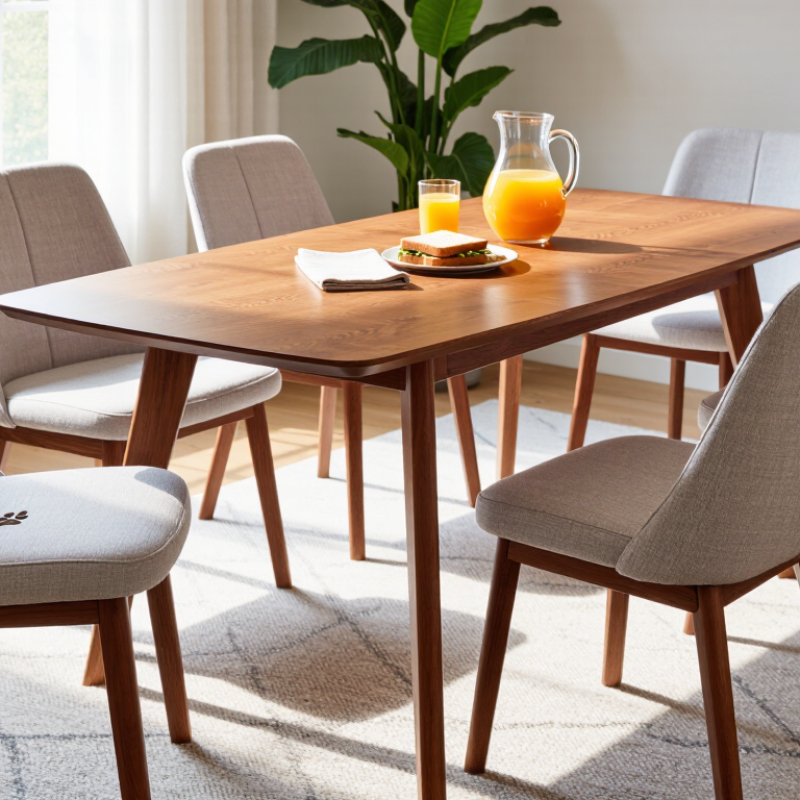
Before choosing dining chair upholstery, think about who uses the chairs and how often. A family chair pulled out several times a day faces different demands from a seat used only for weekend dinners. Watch where meals happen: a toddler’s sticky fingers, a dripping glass, or a pet brushing past can quickly change what “easy to clean” means. Spills happen.
If children eat at the table, look for a tightly woven, stain-resistant fabric that can be wiped or spot-cleaned according to its care instructions. Smooth surfaces may release crumbs more easily, while textured weaves can hold onto them. With pets, consider claws and shed hair; some fabrics snag, and pale colors can reveal every strand. No material is perfect. Check how it feels, too, since a stiff or slippery seat may be uncomfortable during a long meal.
Household routines matter as much as household size. For daily use, durability and simple care may outweigh a delicate look. For occasional entertaining, you might accept more careful cleaning in exchange for a softer texture. Think about sunlight, cooking smells, and whether chair covers are practical in your home. A choice can sound sensible in a showroom yet feel wrong after a month of busy dinners. Measure your tolerance for upkeep honestly.
Dining chair upholstery affects comfort, cleaning, and how well a chair handles daily use. Cotton and linen feel cool and breathable, but their visible weave can catch crumbs and show spills quickly. They suit lower-traffic dining areas or homes where washable covers are practical. Wool resists everyday creasing and can feel warm, though it may need specialist cleaning. Velvet adds a soft, rich surface, but its pile can flatten where people sit often. Feel the surface. Notice how it responds to a fingernail or a quick brush; texture and upkeep matter more than a showroom color.
Leather and coated fabrics are usually simple to wipe after a meal, but they can feel cool or sticky depending on the room. Genuine leather may develop marks and patina, which some owners enjoy and others find frustrating. Performance synthetics often resist stains, yet quality and breathability vary widely. Check the seams. Ask for the care instructions and, when available, abrasion-test results; testing methods differ, so compare like with like. A small swatch beside your table can reveal color shifts under warm evening light. There is no perfect fabric. A pale, textured choice may look lovely, then prove inconvenient around children or frequent spills. Choose for the messes and habits you actually have.
| Upholstery material | Feel and appearance | Durability and wear | Cleaning and stain care | Sunlight and moisture | A good choice for |
|---|---|---|---|---|---|
| Polyester | Available in many textures and colors; often soft and colorfast. | Generally resists stretching and abrasion well, though performance depends on the fabric construction. | Many polyester fabrics are relatively easy to spot-clean. Follow the upholstery care code and test cleaners in an inconspicuous area. | Often holds color better than some natural fibers, but prolonged direct sun can still cause fading. | Everyday dining where a versatile, comparatively low-maintenance fabric is desired. |
| Cotton | Natural, breathable fiber with a familiar soft feel; can have a crisp or relaxed look. | Can wear well in a tightly woven upholstery fabric, but may wrinkle and show wear more readily in a loose weave. | Absorbent fibers can take up spills and stain; prompt blotting is helpful. Some cotton fabrics may shrink or lose color with unsuitable cleaning. | Can fade with extended direct sunlight and may absorb moisture. | Casual dining rooms where natural texture matters and spills can be handled promptly. |
| Linen | Cool, breathable feel with a distinctive natural texture and relaxed, tailored appearance. | Strong fibers, but linen upholstery can wrinkle and may show creasing or abrasion depending on the weave. | Absorbs liquids readily and can be difficult to clean without leaving marks; professional care may be recommended. | Can be sensitive to prolonged sunlight and moisture; care varies by fabric and any applied finish. | Lower-spill settings where its natural texture and refined look are priorities. |
| Wool | Warm, soft hand with a rich, often textured appearance. | Resilient fibers recover well from compression; durability depends on the blend, weave, and construction. | Can resist some soiling naturally, but spills should be blotted quickly. Use care products suitable for wool. | May fade in strong sunlight; excess moisture and heat can damage some wool fabrics. | Comfort-focused rooms where a warm feel is preferred and care instructions can be followed. |
| Leather | Distinctive natural surface that may develop a patina; feel and finish vary by leather type. | Quality leather can last a long time, but scratches, scuffs, and finish wear are possible. | Wipe spills promptly with a soft cloth and use products made for the specific leather finish. Avoid harsh cleaners. | Direct sun and heat can dry or fade leather; standing moisture may mark some finishes. | Dining areas where a smooth surface and long-term aging character are valued. |
| Coated faux leather | Smooth, uniform surface designed to resemble leather; usually less breathable than woven fabric. | Resists many everyday spills, but the surface coating can crack, peel, or wear over time, especially with heat or heavy use. | Often easy to wipe clean with a damp cloth; avoid abrasive tools and incompatible solvents. | Heat and prolonged sunlight can degrade or discolor some coatings. Check the manufacturer's care guidance. | Households seeking a wipe-clean surface, provided the material's wear limitations are acceptable. |
| Solution-dyed acrylic | Typically offers a soft, fabric-like feel and a wide range of colors and patterns. | Color is incorporated into the fiber during manufacture, which can support good colorfastness; overall wear still depends on the fabric construction. | Some fabrics are designed for easier cleaning, but stain resistance varies. Check the care instructions and clean spills promptly. | Often performs well in sunlight compared with many conventional fibers; moisture performance depends on the fabric and finish. | Bright dining spaces or households looking for color retention and fabric-like comfort. |
Note: Upholstery performance varies by weave, fiber blend, backing, finish, and construction. Check the fabric’s care code and any available abrasion or colorfastness test results before choosing.
How to Choose the Right Dining Chair Upholstery: Assess Durability, Cleaning, and Maintenance Needs
Dining chair fabric faces more than daily sitting. It meets crumbs, denim seams, warm hands, and sometimes a tipped glass. Consider who uses the dining area and how often before choosing. Tightly woven upholstery often handles friction better than loose, looped textures, which may snag on clothing or pet claws. Ask for a fabric sample and inspect it in daylight. Rub it against a rough sleeve to spot weak areas. This check cannot predict years of wear, but it may reveal a fragile weave.
Cleaning needs matter as much as strength. For frequent family meals, look for clear care instructions and stain resistance that suits your routine. Blot spills with a clean cloth; rubbing can push stains deeper or distort fibers. Test any cleaner on a hidden area first, and follow the fabric care guidance. Some materials tolerate gentle wiping, while others need professional attention. Check seams and seat edges, too. Those areas collect crumbs and often show wear early. I learned that the hard way: pale fabric looked lovely, but every small mark bothered me.
Tips: Keep a soft brush nearby for dry crumbs. Vacuum creases weekly with an upholstery attachment. Rotate removable cushions, if possible, to spread wear. Avoid soaking the fabric; excess moisture can leave rings or affect the padding. If cleaning feels complicated now, it probably will later.
Dining chair upholstery can either calm a room or make it feel busy. Start by looking at the colors already present: wall paint, flooring, curtains, and the dining table. A warm oak table often sits comfortably beside rust, olive, or soft cream fabric. Cool gray floors may pair better with blue, charcoal, or muted green. These are guides, not rules.
Check a fabric sample in the room at different times of day. Morning light can make beige look pale; warm evening bulbs may bring out yellow undertones. A phone screen is a poor substitute. Look at the sample beside the table, not alone. Texture matters just as much. A tightly woven fabric can give a formal room a crisp feel, while a nubby weave adds softness to a sparse space. But deep texture can collect crumbs. That detail is easy to overlook.
Try not to match every surface exactly. A chair color that repeats one small accent, such as a cushion or artwork, can connect the room without making it feel staged. I sometimes think a little contrast looks better than a perfect match, though it can be harder to judge from a swatch. If the dining room is small, lighter upholstery may keep the chairs from visually crowding it. In a high-use home, consider how the color will look after ordinary wear, not only on delivery day. A pale fabric may still be right; it simply asks for more care.
Match color and texture to your dining room with these illustrative visual-coordination scores.
Scores range from 1 (low visual harmony) to 5 (high visual harmony). They are practical styling estimates, not measured survey results. Consider room colors, wood tones, lighting, and the level of texture already present.
Choosing dining chair upholstery means weighing the price tag against daily comfort and replacement costs. A low-cost fabric may suit occasional meals, while busy family tables need materials that handle crumbs, spills, and repeated cleaning. Ask for the fabric’s abrasion-test result, but treat it as one clue, not a lifespan guarantee. The Association for Contract Textiles publishes performance guidelines for upholstery fabrics, including abrasion and seam-strength tests. Check that the test method and intended use match your needs. Sit on the chair, too. A durable cover is little value if the seat feels firm after ten minutes.
Long-term value includes care and waste. The U.S. Environmental Protection Agency’s 2018 materials report estimated that furniture and furnishings generated 12.1 million tons of municipal solid waste. That figure covers more than upholstered chairs, but it shows why extending furniture life matters. Choose a removable or repairable cover when possible, and ask whether the fabric tolerates your usual cleaning routine. For homes with pets, a tightly woven, darker fabric may hide marks better; it is not stain-proof. Natural fibers can feel breathable, yet some need gentler care. I once assumed a pale seat would be easy to maintain. It wasn’t. Compare fabric samples in your room’s light, then test them with a damp cloth before ordering.
Match the fabric to spills, chair use, and cleaning habits. Tight weaves often handle friction better than loose loops. Check a sample in daylight.
Leather and coated fabrics usually wipe clean easily. Some synthetics resist stains, but breathability and quality vary. Read the care instructions first.
They feel cool and breathable, but visible weaves can catch crumbs and show spills. They suit quieter dining areas or chairs with washable covers. Looks aren’t everything.
Velvet feels soft, but its pile may flatten on frequently used seats. Brush a sample and see how quickly the surface recovers.
Inspect the seams and seat edges. Rub a fabric sample against a rough sleeve to spot weak areas. Ask for abrasion-test results, but treat them as clues, not guarantees.
Blot spills with a clean cloth; rubbing may push stains deeper. Brush away dry crumbs and vacuum creases weekly. Avoid soaking the fabric.
Not always. Consider cleaning costs, comfort, repair options, and how often the chairs are used. Sit for ten minutes; a durable seat can still feel too firm.
Place a small swatch beside the table and view it in evening light. Dark, tightly woven fabrics may hide pet marks, but they are not stain-proof. I got that wrong once.
Choosing dining chair upholstery starts with understanding how the chairs will be used and who will use them. Consider everyday meals, occasional entertaining, children, pets, and the amount of wear the chairs may receive. Then compare materials for comfort, appearance, durability, and ease of cleaning. Some fabrics feel soft and inviting, while others offer greater resistance to spills and frequent use, so weigh their care requirements against your household’s routines.
To decide how to select the right dining chair upholstery, also consider how its color and texture will work with the dining room’s existing furniture, lighting, and overall style. Request samples when possible to see how materials look and feel in your space. Finally, balance the initial cost with comfort, maintenance, and expected lifespan. A thoughtful choice can create a welcoming dining area while providing practical, lasting value.

Hark Homes