Cleaning a fabric sofa at home can seem daunting. However, professional cleaner Sarah James shares a simple truth: “Regular maintenance makes cleaning easier.” Understanding how to clean a fabric sofa at home is essential for preserving its beauty and longevity.
Begin by assessing your sofa's fabric type. Different materials require specific cleaning methods. For instance, a cotton sofa may handle water-based solutions better than a microfiber couch. Always test a cleaner in an inconspicuous area first. This step can save you from potential disasters later.
Use tools like a soft brush or vacuum to remove debris. A gentle approach minimizes damage. Even a faint mark can disrupt the overall appearance of your sofa. If stains persist, a homemade solution of vinegar and water can work wonders. Yet, remember that over-application can leave residue, requiring further cleaning. Finding the balance in cleaning techniques is crucial. Be prepared for some trial and error along the way.
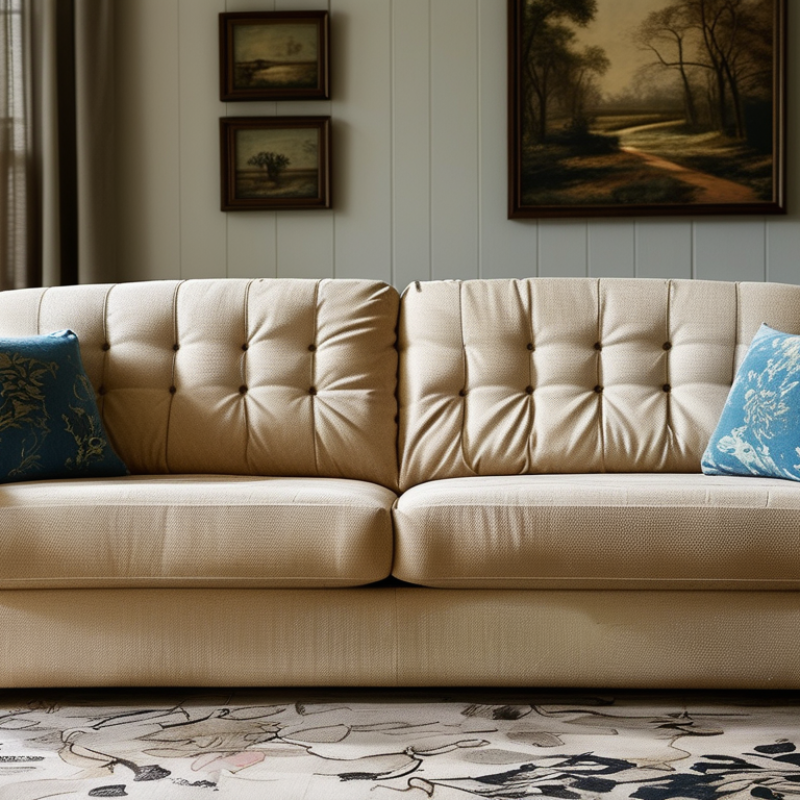
When cleaning a fabric sofa, understanding the type of fabric is crucial. Different materials require specific cleaning methods. For instance, cotton and polyester are relatively easy to clean. A simple combination of mild detergent and warm water can do wonders. Use a soft cloth to tackle stains gently. However, be cautious not to saturate the fabric. Over-wetting can lead to mold and odors.
Certain fabrics, like velvet or leather, pose more challenges. These materials may need special products and techniques. For velvet, vacuuming regularly is essential to prevent dirt buildup. Spot cleaning with a solvent might be necessary, but it's crucial to test in an inconspicuous area first. Leather requires a dedicated cleaner and conditioner to maintain its integrity. Neglecting proper care can lead to unsightly cracks and wear.
Take time to identify the fabric type before cleaning. Mistakes can lead to damage. It's better to spend time understanding your sofa than to rush the cleaning process. Sometimes, seeking professional advice is the wise course. Each fabric has its nuances, and recognizing these will ensure your sofa remains in great condition.
Cleaning a fabric sofa can be a rewarding task when done right. Before you start, it’s crucial to gather the necessary cleaning supplies. This ensures that you have everything ready at hand and simplifies the process.
You will need a vacuum cleaner with an upholstery attachment. This helps in removing dust and dirt efficiently. Microfiber cloths are essential for spot cleaning stains. An upholstery brush can reach deeper fibers, but be gentle to avoid damaging the fabric. Additionally, a mild detergent or a specialized fabric cleaner is needed for stubborn stains.
**Tips:** Always test any cleaning solution on a hidden area first. This way, you can ensure it doesn’t discolor or harm the fabric. Keep a bucket of warm water nearby to rinse cloths as you clean. If you spot a stain, try to treat it immediately. Delaying may set the stain, making it harder to remove later. Remember, it’s okay if your sofa isn't perfect after cleaning. The goal is to maintain a fresh and inviting living space.
This bar chart displays the various cleaning supplies commonly used for effectively cleaning a fabric sofa at home.
Spot cleaning stains on a fabric sofa can seem daunting. However, with the right approach, it becomes manageable. Begin by identifying the type of stain you are dealing with. Common culprits include food, drinks, and ink. Each type requires a specific method for effective cleaning. For instance, a red wine stain demands prompt attention using club soda while greasy stains might need a mixture of dish soap and water.
After identifying the stain, gather your supplies. You will need clean cloths, a bucket, and a gentle cleaning solution. Dampen the cloth with the solution and gently dab the stain. Rubbing can spread the stain further, so be careful. Blot the area slowly, and change the cloth to avoid transferring dirt. It’s essential to test your cleaning solution on a hidden area first, ensuring it doesn't discolor the fabric.
Sometimes, stains may stubbornly remain even after cleaning. In such cases, avoid panic. Allow the area to dry and re-evaluate. You may need a stronger cleaner or professional help. Regular maintenance can help prevent stains from setting in the first place. Keep in mind, no sofa is stain-proof, and every cleaning journey offers room for learning and improvement.
When it comes to deep cleaning a fabric sofa, it’s essential to take a methodical approach. Start by vacuuming the sofa thoroughly. Use a nozzle attachment to reach between cushions. This removes dust and crumbs that settle in hard-to-reach areas. Pay close attention to seams and crevices. It’s easy to overlook these spots. Don't rush this step; it sets the foundation for deeper cleaning.
Next, prepare a cleaning solution. Combine warm water with a few drops of mild detergent. Test it on a small, hidden area of the sofa first. This is crucial to avoid discoloration. Apply the solution using a soft cloth or sponge. Gently rub the stained areas with circular motions. Be cautious not to saturate the fabric. Too much moisture can lead to mildew. If stains persist, consider using a fabric-safe stain remover.
After cleaning, let the sofa air dry. Avoid sitting on it until it’s fully dry. This helps maintain its shape and prevents further issues. You might notice some areas still appear slightly dirty, prompting reflection on your cleaning technique. Remember, deep cleaning takes time and patience for the best results.
When it comes to maintaining a clean fabric sofa, consistency is key. According to a recent study from the American Cleaning Institute, regular maintenance can extend a sofa's lifespan by up to 30%. Routine vacuuming helps remove dust and allergens trapped in the fabric. Use a vacuum with an upholstery attachment for better results. Aim to do this at least once a week.
In addition to vacuuming, consider using fabric protectants. These products create a barrier against spills and stains. They can significantly increase the time between deep cleanings. However, make sure to test any product in an inconspicuous area first. It's essential to mirror professional practices to avoid common mistakes.
For accidental spills, address them immediately. Blot the area gently with a clean cloth. Avoid rubbing, as it may worsen the stain. Another handy tip is to rotate cushions regularly. This practice ensures even wear, particularly in high-traffic areas of your sofa. Small adjustments can lead to noticeable improvements over time.
: You will need a vacuum, microfiber cloths, and a mild detergent. Having a bucket of warm water is also helpful.
Identify the stain type first. Then, use a damp cloth with a gentle cleaner to blot the stain gently.
Testing prevents discoloration or damage to your fabric. Always ensure the solution is safe for your sofa.
Regular vacuuming is essential. Use an upholstery attachment and aim to vacuum at least once a week.
Blot spills immediately with a clean cloth. Avoid rubbing, as it can make the stain worse.
No, some stains may resist cleaning. If stubborn stains remain, consider using a stronger cleaner or seeking professional help.
Regularly rotating cushions promotes even wear. This simple habit improves the sofa's overall longevity and appearance.
It's okay if the sofa isn't perfect. The goal is to maintain a fresh and inviting living space, not achieve perfection.
Apply fabric protectants after cleaning. They create a barrier against stains and extend time between deep cleanings.
If stains set, allow the area to dry and reassess. Some stains may need a different approach or professional cleaning.
Cleaning a fabric sofa at home can seem daunting, but with the right approach, it can be an effective task. First, it's crucial to understand the various fabric types used in sofas, as this will influence the cleaning methods employed. Gather the necessary supplies such as fabric cleaners, soft brushes, and microfiber cloths to ensure you are well-prepared. Begin your cleaning process with a step-by-step guide to spot cleaning stains, addressing any spills or marks immediately to prevent deeper stains from setting in.
For a more thorough cleaning, delve into deep cleaning techniques that may involve steam cleaning or using specialized cleaning solutions tailored for your specific fabric. Once your sofa is clean, maintaining its freshness is essential. Regular vacuuming and prompt attention to any new stains will help prolong the life of your fabric sofa. By following these outlined methods, you will efficiently learn how to clean a fabric sofa at home and keep it looking its best.

Hark Homes