A living room couch can look sturdy under showroom lights, yet its lifespan is shaped by daily use. Children jumping on cushions, a dog claiming the corner, and sunlight fading one arm all leave their mark. So, what is the average lifespan of a living room couch? Many sofas last about seven to fifteen years, but construction, materials, care, and household habits can move that estimate in either direction. It is a useful range, not a promise.
Furniture and design reformer William Morris offered a principle that still fits a long-term purchase: “Have nothing in your houses that you do not know to be useful, or believe to be beautiful.” That is not a couch-lifespan estimate, but it encourages buyers to look beyond a low price or a fashionable silhouette. Check the frame, cushion support, fabric, and repair options. A sturdy frame may outlast sagging foam; a well-made sofa can still feel wrong if its cushions flatten too soon.
This guide answers ten practical questions about couch longevity, from typical service life to signs that replacement may be due. It also considers what cleaning and simple maintenance can realistically achieve. Some advice oversells what careful upkeep can fix. A vacuum cannot repair a cracked frame. Pay attention to what you can see and feel: a persistent dip, loose joints, or fabric worn thin at the seat. The honest answer may be less tidy than a single number.
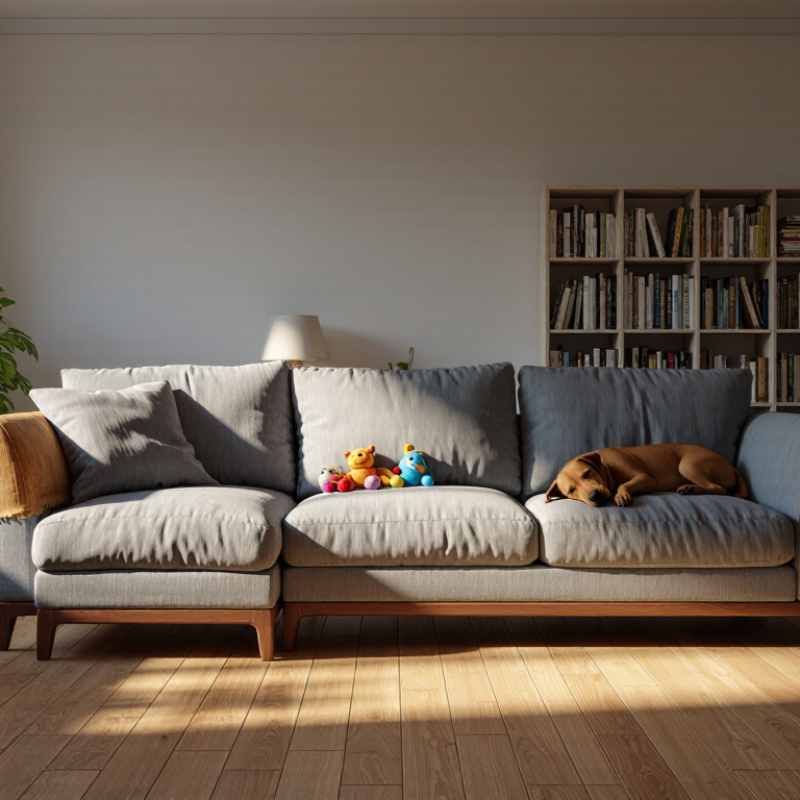
A living room couch commonly lasts about seven to fifteen years, according to the National Association of Home Builders’ 2007 Study of Life Expectancy of Home Components, prepared with Bank of America Home Equity. That range is broad. It is a planning estimate, not a guarantee for every sofa or household.
Daily use changes the clock. A couch used for evening lounging, children’s play, and weekend naps may wear faster than one in a rarely used sitting room. Look closely at the seat cushions: do they stay compressed after you stand? Check for creaking joints, sagging support, loose seams, and fabric worn thin along the front edge. One faded armrest alone may be cosmetic; several failing parts suggest deeper wear.
Construction and care matter, too. A sturdy frame, firm suspension, and replaceable cushions can extend useful life, while sunlight, pets, spills, and frequent moving can shorten it. Rotate cushions when possible and vacuum under them; crumbs and grit quietly abrade fabric. Still, household habits are hard to measure, and the NAHB estimate dates from 2007. A couch at year eight might feel excellent—or already be uncomfortable. Judge its support and condition, not age alone.
| Top 10 Answers to “How Long Does a Living Room Couch Last?” — Typical Lifespan of a Living Room Couch | |||
|---|---|---|---|
| Couch Type or Use | Typical Lifespan | What Most Affects Its Lifespan | Signs It May Need Replacing |
| Budget couch with lightweight construction | About 3–7 years | Frame strength, cushion quality, daily use, and whether joints remain secure. | A loose or cracked frame, sagging seats, or cushions that no longer recover their shape. |
| Mid-range couch used regularly | About 7–10 years | Construction quality, household activity, cushion wear, and routine care. | Persistent discomfort, repeated repairs, or upholstery and seams wearing through. |
| Well-built couch with a sturdy frame | About 10–15 years or longer | Strong frame joints, supportive suspension, durable cushions, and appropriate maintenance. | Structural damage or support that remains poor after cushions are rotated or replaced. |
| High-quality couch in a lightly used room | About 15–20 years or longer | Materials and construction, limited wear, protection from sunlight, and timely repairs. | Widespread fabric deterioration, unstable structure, or repair costs that outweigh continued use. |
| Couch in a busy family household | Often about 5–10 years | Frequent sitting, jumping, spills, pets, and how quickly damage is cleaned or repaired. | Deep sagging, persistent odors or stains, broken supports, or unsafe loose parts. |
| Couch in a home with pets | Often about 5–10 years, depending on materials and care | Scratching, shedding, accidents, and the durability and cleanability of the upholstery. | Extensive claw damage, recurring stains, damaged seams, or weakened cushions. |
| Leather-upholstered couch | About 10–20 years or longer with suitable care | Leather quality, direct sunlight, dryness, cleaning products, and frequency of use. | Large cracks, peeling, torn panels, or damage that cannot be repaired effectively. |
| Fabric-upholstered couch | About 7–15 years, depending on fabric and use | Fabric durability, abrasion, sunlight, spills, cleaning, and whether covers can be replaced. | Worn-through fabric, persistent odors, failing seams, or stains that cannot be removed. |
| Sleeper sofa or couch with a pull-out mechanism | About 7–10 years for regular use; potentially longer with occasional use | Frequency of opening and closing, mechanism quality, mattress condition, and frame support. | A jammed or bent mechanism, an uneven sleeping surface, or a frame that feels unstable. |
| Couch with replaceable cushions or upholstery | About 10–20 years or longer if the frame remains sound | Frame condition, availability of replacement parts, and timely repair of cushions or covers. | Consider replacing the couch when the frame or suspension is damaged beyond practical repair. |
A common estimate is seven to fifteen years. Actual life depends on use, construction, and care. It varies.
Check for cushions that stay compressed, sagging support, creaking joints, loose seams, or thin fabric. One faded arm may be cosmetic.
Often. Regular lounging, children’s play, pets, and guests can wear cushions and fabric faster. One favorite seat may sag first.
Vacuum seams and beneath cushions weekly with a soft brush attachment. Rotate removable cushions monthly when their design allows. Small habit.
Blot it promptly with a clean cloth. Avoid scrubbing, and follow the fabric’s care instructions. I sometimes forget.
Strong, direct sunlight can fade fabric unevenly and weaken some fibers over time. Close curtains during bright afternoon hours.
Keeping indoor humidity below 60% can help limit mold growth; 30–50% is a useful range. Let damp upholstery dry fully.
No. A 15,000 double-rub result is a residential comparison point for woven upholstery, not a lifespan promise. Home use differs.
A living room couch can last anywhere from several years to well over a decade, depending on its materials, construction, and everyday use. If you are asking “what is the average lifespan of a living room couch,” a well-made couch with a sturdy frame and durable cushions often serves comfortably for around 7 to 15 years. Softer materials, weaker joints, and frequent heavy use may shorten that range, while careful maintenance can help a couch remain usable longer.
Changes in comfort and condition can indicate that a couch needs attention. Sagging seats, loose frames, persistent odors, torn upholstery, or cushions that no longer recover their shape may call for repair or replacement. Regular vacuuming, prompt cleaning of spills, rotating cushions, keeping the couch away from excessive sunlight, and avoiding unnecessary strain can slow wear. With thoughtful care, many couches can provide years of reliable comfort before a new one is needed.

 Hark Homes