In today's world, where urban living spaces are shrinking, understanding how to make a small bedroom look bigger with furniture is essential. According to a recent report by the National Association of Home Builders, nearly 40% of homebuyers favor smaller homes, leading to a rise in compact living spaces. The right furniture choices can substantially influence the perceived size of a room.
Research indicates that strategically selected furnishings can enhance a room's spaciousness. For example, lighter colors can create an illusion of openness. In contrast, bulky pieces may overwhelm a small area. A well-planned layout allows for functionality without sacrificing aesthetics.
However, many individuals overlook the importance of scale when furnishing a small bedroom. Oversized furniture can make the space feel cramped. It's crucial to consider multi-functional pieces that provide storage without cluttering the environment. Reflecting on these aspects can transform a confined area into a more inviting space, making it a true sanctuary.
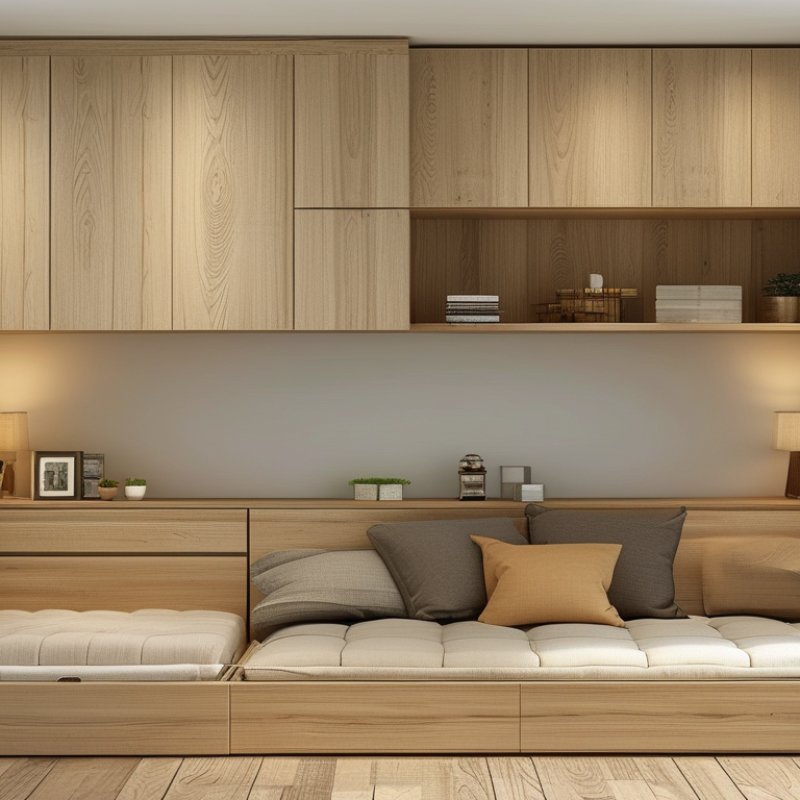
When choosing furniture for a small bedroom, scale is vital. Oversized beds or bulky dressers can dominate the space, making it feel cramped. Look for pieces that complement the room's dimensions. A low-profile bed not only offers a modern look but also creates an illusion of height, making the room feel airier.
Consider multifunctional furniture. A bed with built-in storage maximizes space while providing necessary functionality. Nightstands that double as small desks can also help in keeping the area tidy. Transparent materials, like acrylic or glass, work wonders; they visually reduce weight and create a sense of openness.
Be mindful of color and texture as well. Light colors can make a room feel larger. However, mixing different materials can add depth. Too many contrasts may create clutter, which can be overwhelming. Sometimes, less is more. The right balance encourages tranquility without compromising on style. Personal touches can be included, but they shouldn’t overwhelm the space.
| Furniture Type | Size Recommendation | Style Tips |
|---|---|---|
| Bed | Full or Queen size | Choose a low-profile bed frame to create an illusion of space. |
| Dressers | Narrow and Tall | Opt for vertical storage to maximize floor space. |
| Nightstands | Compact and Minimalist | Select designs with open space underneath to enhance light flow. |
| Desks | Wall-mounted or Foldable | Keep it light and airy to avoid clutter. |
| Chairs | Slim and Stackable | Choose clear materials or light colors. |
In a small bedroom, every inch matters. Multi-functional furniture can dramatically enhance space. According to a recent report, over 70% of homeowners prefer versatile pieces. This trend has surged as urban living spaces shrink. You can maximize floor area and maintain style through smart choices. For instance, a bed with storage underneath offers both comfort and practicality.
Consider using collapsible furniture items, like folding desks or chairs. They can create openness when not in use. A study from the Furniture Institute shows that 60% of consumers value modular designs. These adaptable pieces can fit different activities, whether you’re sleeping or working. However, it's important to choose wisely. Not all multi-functional furniture is made equal, and sometimes the mechanism can be cumbersome.
The layout also plays a vital role. Placing furniture against walls can create visual space. Using mirrors can enhance the perception of roominess. Yet, it's essential to balance aesthetics with functionality. Avoid overcrowding the room with too many pieces, which may defeat the purpose. Always reassess what you need versus what you want.
When it comes to making a small bedroom feel more spacious, incorporating light colors is crucial. Light hues such as soft whites, pale blues, and light grays can open up a room instantly. They reflect natural light, creating an airy atmosphere. Walls painted in these shades can trick the eye into perceiving a larger space. It's mesmerizing how a simple paint choice can transform a room.
Choosing the right furniture is equally important. Opt for pieces that are light in color to match the walls. A soft-colored bed frame or dresser can enhance the illusion of openness. Mirrors are also excellent choices; they reflect light, giving the room depth. Placing a large mirror opposite a window maximizes light reflection, further amplifying the effect.
While implementing these strategies can greatly improve the feel of your bedroom, it's essential to be mindful of clutter. Too many light-colored items might create a bland look. Balance is key. Consider adding a bold accessory or a dark accent piece to ground the space. Finding the right combination requires some trial and error, but these small adjustments can lead to a more inviting and spacious room.
Arranging furniture in a small bedroom can drastically improve its perceived size. The key is to maintain flow and accessibility. Start by choosing multifunctional pieces. A bed with built-in storage allows more floor space. This can be especially useful in tight layouts. Consider a small nightstand instead of bulky drawers. This choice promotes a sense of openness.
Placement is crucial. Avoid obstructing pathways. Position the bed against the longest wall. This creates a natural flow from the door to the window. If you can, make space for a sitting area. A small chair in a corner makes the room feel larger. Mirrors can also help project light and depth. Hang one opposite a window to maximize natural illumination.
Reflect on your layout regularly. What feels cramped? Adjust furniture as needed. It's easy to overlook how items impact spatial perception. Simplifying your design can lead to a more peaceful atmosphere. Personal touches should enhance, not clutter. Keep an eye on the balance between style and function. Integrating these strategies helps create a more inviting, spacious bedroom.
In a small bedroom, vertical solutions can significantly enhance space. Shelving units can draw the eye upward, creating an illusion of height. Wall-mounted shelves are an excellent way to exhibit books and décor without taking up floor space. These shelves can often be styled with plants and framed pictures. This not only saves space but also allows you to personalize your area.
Cabinets that reach the ceiling can offer ample storage while appearing less bulky than wider options. Invest in slim, tall cabinets; they fit snugly against walls. Use these spaces wisely by storing seasonal items, extra linens, or even off-season clothing. Avoid cluttering the top surfaces, as this can defeat the purpose of creating an airy feeling.
When choosing vertical furniture, consider color and design. Lighter shades and minimalist styles make the space feel open and inviting. Reflective surfaces can also aid by bouncing light around the room. A mirrored cabinet or bright shelving can visually enlarge the space. However, care must be taken not to overcrowd the walls. Striking a balance is vital; too many items can make the area feel cramped.
: Focus on the scale of furniture. Oversized pieces can make the room feel cramped.
Use light colors and low-profile furniture to create an illusion of space and height.
A bed with storage or a nightstand that doubles as a desk can maximize utility.
It draws the eye upward and creates an illusion of height, saving valuable floor space.
Add personal touches like photos or small plants, but keep it minimal to avoid clutter.
Transparent materials, like glass or acrylic, can visually reduce weight and enhance openness.
Carefully choose pieces that complement each other without overcrowding the room.
Both are important. Aim for furniture that is both stylish and functional for the best results.
Use mirrors strategically and ensure furniture placement encourages openness and flow.
Avoid mixing too many contrasting elements, which can create a cluttered, overwhelming look.
To learn how to make a small bedroom look bigger with furniture, it's essential to start by selecting furniture that is appropriately scaled for the space. This involves choosing smaller, lightweight pieces that don't overwhelm the room. Multi-functional furniture, such as beds with storage beneath or ottomans that double as seating, can significantly maximize the available space and maintain a tidy environment.
Incorporating light colors in the furniture and decor further enhances the illusion of spaciousness, making the room feel brighter and more open. It's also important to arrange furniture strategically to improve flow and accessibility, allowing for easier movement throughout the space. Finally, utilizing vertical solutions, like shelves and cabinets that draw the eye upward, can create a sense of elevated space, making the room appear larger than it is.

Hark Homes