How to Position Your Desk for Maximum Productivity in 2026?

Time:2026-08-11 Author:Isabella
0%

In 2026, optimizing your workspace is more critical than ever. Understanding how to position a desk for maximum productivity can significantly impact your work efficiency and creativity. The rise of remote work emphasizes the need for a well-organized home office. A strategically placed desk fosters focus and minimizes distractions.

Consider your environment. Natural light can enhance mood and concentration, so position your desk near a window. However, not everyone has the luxury of an ideal setting. Some might face walls or clutter, prompting reflection on improvements. Examine your layout; the right desk placement can encourage organization and streamline workflow.

It's also about ergonomics. An uncomfortable position can lead to fatigue and health issues, undermining productivity. Experiment with angles and heights to find your best fit. Reflecting on these elements ensures your workspace supports your tasks effectively, aiming for a balance between comfort and efficiency. The journey of setting up a productive desk may require adjustments and continuous learning, but the outcomes are invaluable for your success.
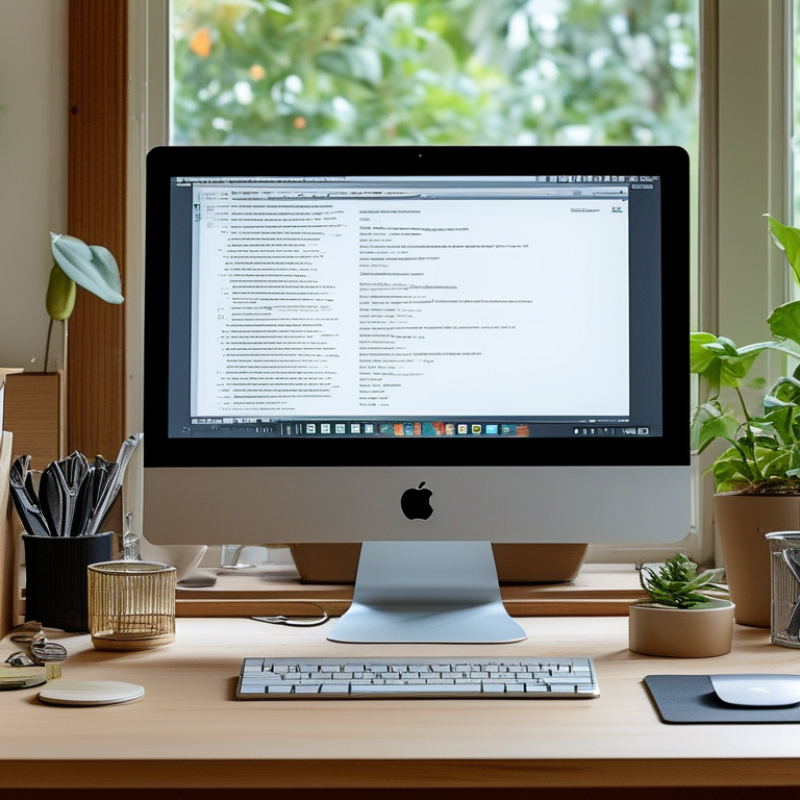
How to Position Your Desk for Maximum Productivity in 2026?

Understanding the Importance of Desk Positioning for Productivity

Desk positioning plays a crucial role in enhancing productivity. A well-placed desk can significantly reduce distractions. It allows for better posture and workflow. When the desk is aligned with natural light, it improves mood and focus. Studies show employees are more productive in well-lit spaces. Positioning the desk near a window can harness this.

Consider your daily tasks when setting up your space. For instance, if your work involves frequent collaboration, a desk facing the room may facilitate communication. However, if deep concentration is needed, a corner position might be ideal. Experimenting with desk height also proves beneficial. Many people fail to realize their chairs may not be suited for long hours of work. Adjusting these aspects can make a noticeable difference in comfort.

Lastly, be mindful of clutter. A tidy desk often results in a clearer mind. Yet, many struggle with this aspect. Keeping only essential items within reach can spark creativity. Reflect on what the workspace conveys about you. Is it organized or chaotic? Your environment impacts your efficiency more than you might think.

Assessing Your Workspace: Factors Influencing Desk Placement

The arrangement of your workspace significantly impacts productivity. A survey by Steelcase indicates that 86% of employees feel their environment affects their performance. Desk placement is a key factor here. Natural light can boost mood and energy. According to the American Society of Interior Designers, offices with access to daylight report up to a 15% increase in productivity.

Consider the distance from your desk to your screen. An optimal distance reduces eye strain and enhances focus. Many experts recommend keeping the monitor at least an arm's length away. However, comfort varies for each individual. Adjustments may be necessary. Uneven surfaces can disrupt organization and concentration.

The position of your desk in relation to noise sources is also crucial. Open spaces may lead to distractions. Interestingly, remote workers reported fewer interruptions, yet some miss the collaborative energy of an office. Measure how your workspace configuration influences your workflow. Small changes can yield big results.

Optimal Desk Orientation: Maximizing Natural Light and Reducing Glare

Natural light plays a crucial role in maintaining productivity. Positioning your desk near a window can provide this essential light. It enhances mood and motivation. However, the angle of the sunlight can create glare on screens. This makes it difficult to focus. Adjusting your desk orientation can help minimize this issue.

Consider the time of day when sunlight is at its peak. Morning light can be gentle and invigorating. Afternoon light can be harsher, leading to discomfort. Position your desk to maximize morning light while avoiding glare during the day. You might need to experiment with different orientations. Sometimes, moving just a few inches can make a significant difference.

Incorporate elements of nature nearby. Plants can create a calming atmosphere. However, they should not obstruct your light source. Finding the right balance is essential. Reflect on what works best for you, and be open to change. A well-positioned desk can transform your workspace, boosting your efficiency dramatically.

Incorporating Ergonomics: Desk Height and Chair Alignment

In 2026, establishing an effective workspace hinges greatly on ergonomics. Desk height and chair alignment are critical factors. According to the Occupational Safety and Health Administration (OSHA), poor workplace ergonomics can lead to musculoskeletal disorders, resulting in workers losing approximately $20 billion annually in healthcare costs.

The ideal desk height should allow your elbows to remain at a 90-degree angle while typing. Studies suggest that a desk height of about 28-30 inches suits most individuals. However, individual body dimensions can vary widely. Adjustability plays an important role here, as 55% of employees report discomfort from non-ergonomic setups.

Chair alignment is equally significant. A chair with lumbar support promotes healthy posture. Research shows that an adjustable chair can enhance productivity by up to 20%. Comfort influences focus. However, many overlook the importance of regularly adjusting their chairs. This lack of awareness can lead to chronic pain and, ultimately, reduced efficiency. Regular evaluations of your setup can prevent issues before they arise. It's essential to create a personalized workspace that supports your well-being and productivity.

How to Position Your Desk for Maximum Productivity in 2026

Positioning Aspect Ideal Measurement Impact on Productivity
Desk Height Elbow at 90° - 105° angle Reduces strain on arms and shoulders
Chair Height Feet flat on the ground Improves circulation and comfort
Monitor Distance 20-30 inches from eyes Minimizes eye strain
Monitor Height Top of monitor at or below eye level Prevents neck strain
Keyboard Position Just below elbow level Enhances typing comfort
Lighting Natural light or bright, diffused lights Improves mood and focus

Decluttering and Organizing: Creating a Focused Work Environment

A well-organized workspace can boost productivity significantly. According to a study by the Interior Design Institute, an uncluttered desk can improve efficiency by up to 20%. This statistic emphasizes the importance of decluttering. Removing unnecessary items creates a clear focus. A clean space reduces distractions and mental fatigue.

Organizing your workspace goes beyond just decluttering. Implementing a system helps streamline tasks. For instance, grouping similar tools together can cut down on task-switching. The Global Workplace Analytics report indicates that workers spend nearly 1.5 hours weekly searching for items. This wasted time highlights the need for effective organization strategies.

Consider the layout of your desk. Positioning essential items within reach can foster a seamless workflow. However, it's crucial to regularly reassess your setup. Needs may change over time, leading to new distractions. An adaptable workspace that evolves with you can maintain productivity in a fast-paced environment.

Desk Positioning Impact on Productivity (2026)

FAQS

: Why is desk positioning important for productivity?

: Desk positioning significantly reduces distractions and promotes better posture, enhancing overall workflow.

How does natural light affect my work?

Natural light improves mood and focus. Offices with daylight can boost productivity by up to 15%.

What should I consider when setting up my desk?

Consider your daily tasks. Collaboration may require a desk facing the room, while deep concentration benefits from a corner.

How can I improve my comfort while working?

Experiment with desk height. Ensure your chair supports long hours; many overlook this aspect.

What impact does clutter have on productivity?

A tidy desk fosters a clearer mind. Keep only essential items nearby to spark creativity.

How should I assess my workspace setup?

Reflect on how your environment affects your efficiency. An organized space promotes better performance.

What is the ideal distance from my desk to the screen?

Keep your monitor at least an arm's length away to reduce eye strain and enhance focus.

How can noise affect my workspace?

Desk position relative to noise sources is important. Open spaces can lead to distractions.

Are remote workers more productive than office workers?

Remote workers report fewer interruptions, but some miss the collaborative energy of an office environment.

What small changes can enhance my workspace?

Small adjustments, like desk placement and reducing clutter, can yield significant improvements in productivity.

Conclusion

In the quest to enhance workplace efficiency, understanding how to position a desk for maximum productivity is essential. The positioning of your desk significantly influences your ability to focus and manage tasks effectively. Key factors to consider include the incorporation of natural light, which not only boosts mood but also reduces eye strain, and the orientation that minimizes glare.

Additionally, ergonomics play a crucial role; ensuring that your desk height and chair alignment promote comfort can lead to a more productive workday. Keeping your workspace decluttered and organized fosters a clear mind, allowing for better concentration. By evaluating these elements, you can create a work environment that is not only conducive to productivity but also supports your overall well-being.

Isabella

Isabella

Isabella is a dedicated marketing professional with a sharp focus on driving brand growth and engagement through strategic content creation. With an extensive background in digital marketing, she combines her passion for storytelling with her keen understanding of industry trends to deliver......