Hark Homes
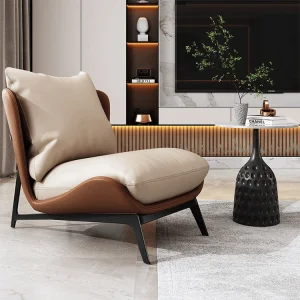
Explore our curated selection of high-durability modern furniture pieces ready for OEM/ODM customization and container shipping worldwide.
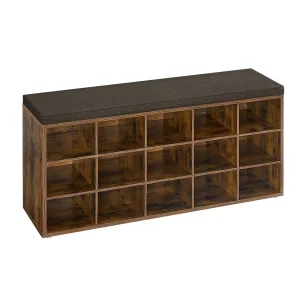
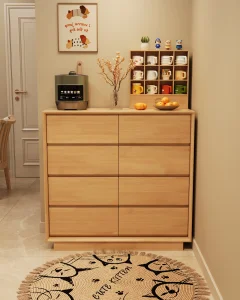
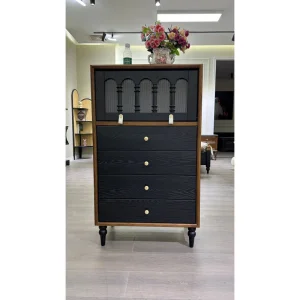
The global night table and nightstand market has transitioned from simple, utilitarian storage to a critical focal point of modern residential and hospitality interior design. Driven by increasing demand for premium aesthetics, ergonomics, and smart home integrations, the global nightstand manufacturing industry is experiencing significant transformation. Recent data points to a growing compound annual growth rate (CAGR) in the home storage and bedroom furniture sectors, with European and North American B2B buyers driving the highest requirements for safety, compliance, and environmental stewardship.
Within the regulatory framework of international trade, the CE Certification (Conformité Européenne) acts as the defining quality benchmark for entering the European Economic Area (EEA). To secure CE compliance, nightstand manufacturers must ensure their products adhere to strict structural strength, chemical emissions, and electro-magnetic compatibility rules (particularly for nightstands featuring wireless charging or integrated LED lighting).
This requirement has altered the landscape of production hubs. Leading factories in Shunde, China—recognized globally as the capital of high-end furniture manufacturing—have upgraded their manufacturing infrastructure. Modern night table factories are no longer simple woodworking shops; they are sophisticated, technology-driven plants incorporating robotic assembly, automated edge-banding, and high-efficiency dust filtration systems to meet both strict international certification criteria and competitive production costs.
Modern bedroom architecture demands multi-functional, durable, and space-saving furniture. Analysis of Google Search trends indicates a rise in user intent queries targeting "eco-friendly bedside tables," "floating nightstands with charging stations," and "minimalist solid wood night tables." Manufacturers must align their R&D with these key developments:
Bedside tables are shifting to function as device charging stations. Incorporating built-in Qi-standard wireless chargers, integrated LED ambient lighting, USB-C ports, and biometric fingerprint locks requires factories to hold strict electronic and safety certifications, including CE and RoHS.
Buyers in the European Union demand materials complying with FSC (Forest Stewardship Council) standards and low-formaldehyde emissions (E0/E1 grade or CARB Phase 2). The use of natural solid wood, eco-leather, and solvent-free powder-coated metal supports circular economy principles.
Mid-century modern and Scandinavian designs continue to lead residential preferences. B2B buyers favor clean lines, rounded edges for enhanced user safety, integrated handles, and wall-mounted setups that maximize limited urban floor spaces.
Night tables must perform across different environmental, structural, and regulatory contexts. Different markets present distinct spatial constraints and usage demands:
In mid-scale and luxury hotels, nightstands must endure constant use. Solutions incorporate high-pressure laminates (HPL), scratch-resistant marble tops, or powder-coated steel legs to protect against luggage bumps, liquid spills, and aggressive cleaning agents.
Urban micro-housing in cities like London, Paris, and Tokyo requires narrow, tall, or wall-mounted night tables. Designing storage solutions with integrated cable organizers and pull-out trays maximizes utility in compact floor plans.
Multi-family green building developments require indoor furniture to carry low-VOC certification. Our solid wood cabinets utilize water-based coatings, meeting ecological indoor air quality standards without compromising structural durability.
As we look toward 2030, the nightstand manufacturing sector is undergoing digitisation and structural material innovation. The technical roadmap details the integration of smart manufacturing alongside carbon reduction objectives.
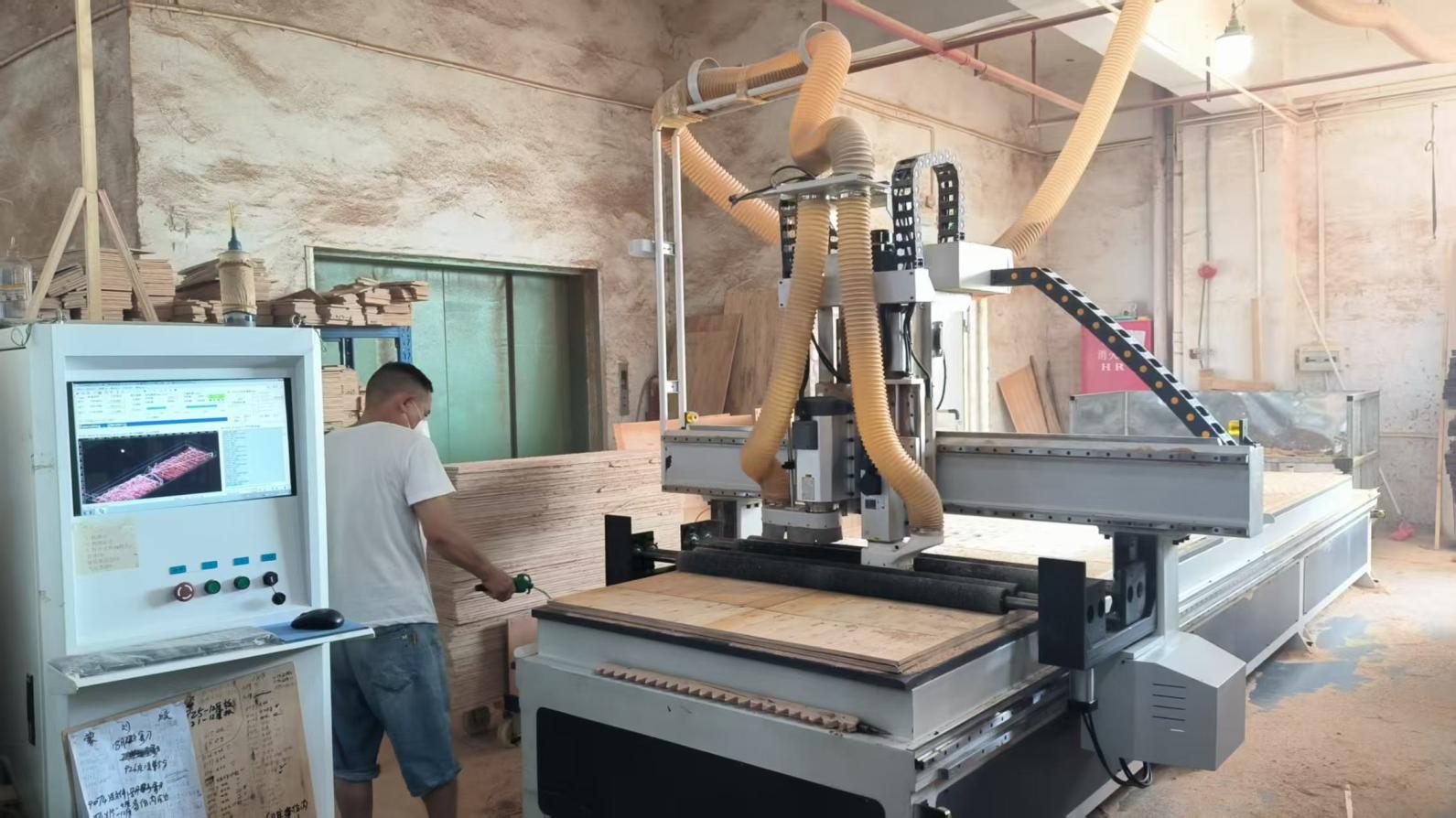
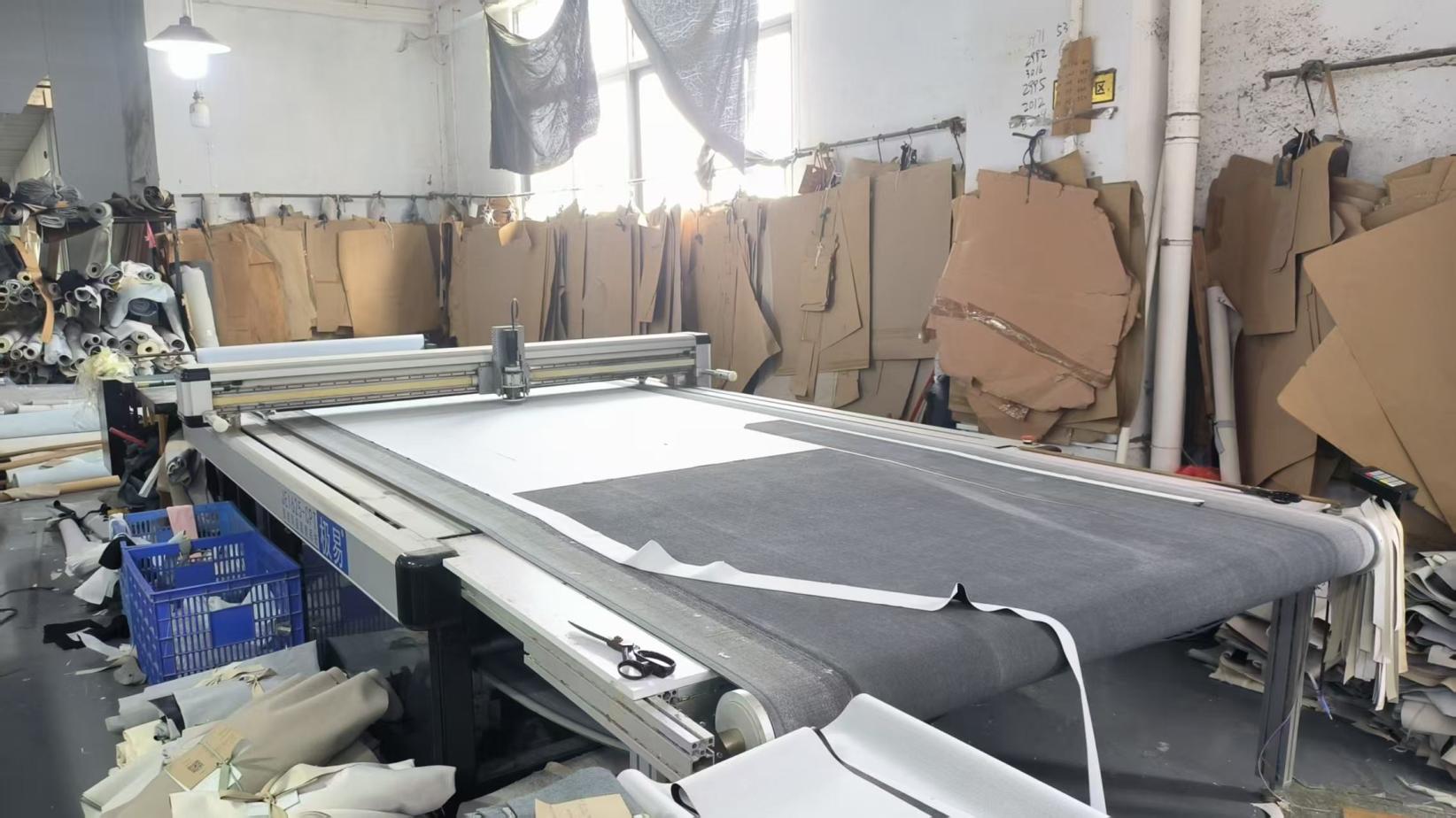
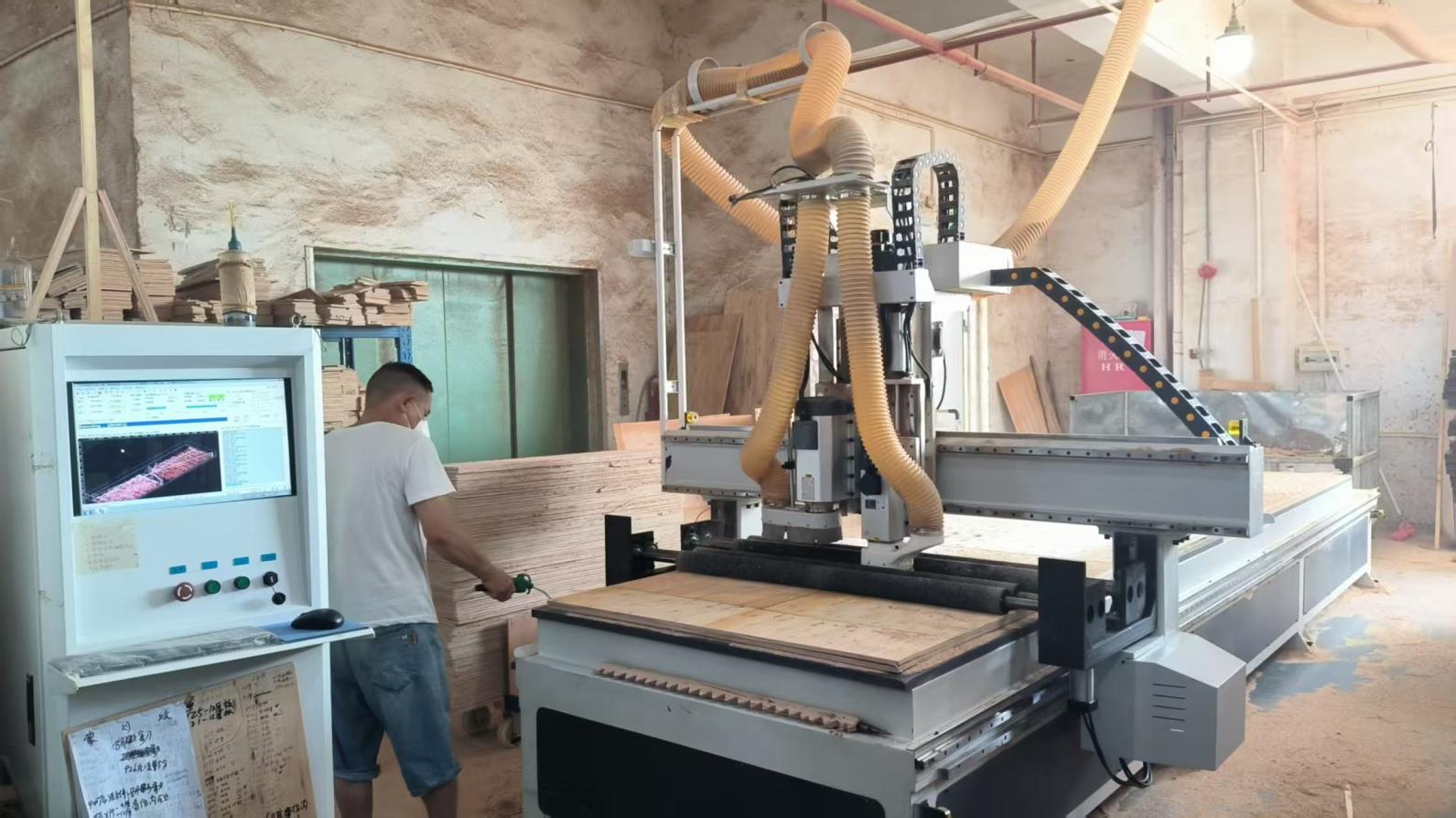
Adoption of multi-axis CNC machines for wood cutting and precision sewing systems. Implementation of lean manufacturing reduces material waste by up to 18%, improving dimensional stability across large production volumes.
Standardizing smart electrical components (USB-C Power Delivery, 15W Qi wireless coils) and obtaining CE, FCC, and UL electrical certifications directly at the factory level, ensuring seamless compliance for import clients.
Focusing on flat-pack optimization to reduce transportation carbon footprints, using biodegradable assembly joints, and implementing bio-resins in engineered wood to achieve carbon-neutral status for exported furniture.
Based in the Shunde region, Shunde Hark Homes Co., Ltd. is a manufacturer specializing in high-quality wooden, metal, and upholstered furniture. Over more than 16 years of development, we have established manufacturing processes and OEM/ODM partnerships with furniture brands, wholesalers, and commercial project clients worldwide.
Our team comprises skilled production staff and technical managers bringing over 15 years of practical manufacturing experience. On average, our workshop operators hold over 7 years of industry experience. This technical foundation enables us to address structural, material, and manufacturing issues during early-stage product design, ensuring stable quality and reliable delivery timelines.
Our R&D team tracks global interior design developments and analyzes client feedback. We introduce updated product lines annually, focusing on material selection, color palettes, and contemporary finishes suitable for residential and commercial spaces.
We maintain an integrated raw material supply chain and apply lean manufacturing methods. This approach supports strict quality control and cost management, helping partners maintain competitiveness and margin stability.
Our options include solid wood, engineered wood, marble, tempered glass, ceramic, stainless steel, powder-coated metal, high-grade fabrics, and genuine or eco-leather, allowing for tailored specification matching.
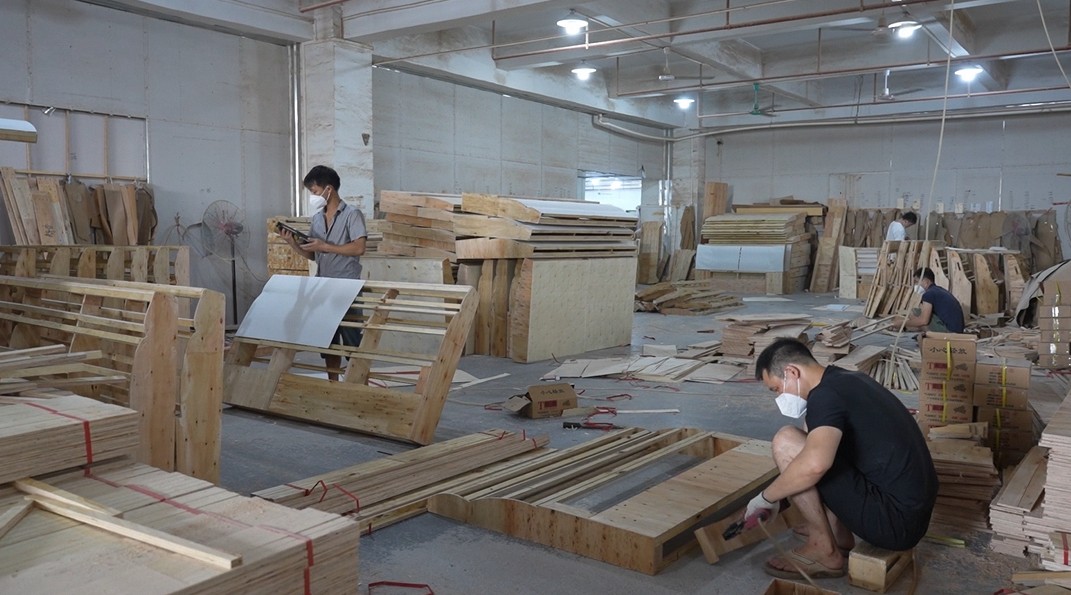
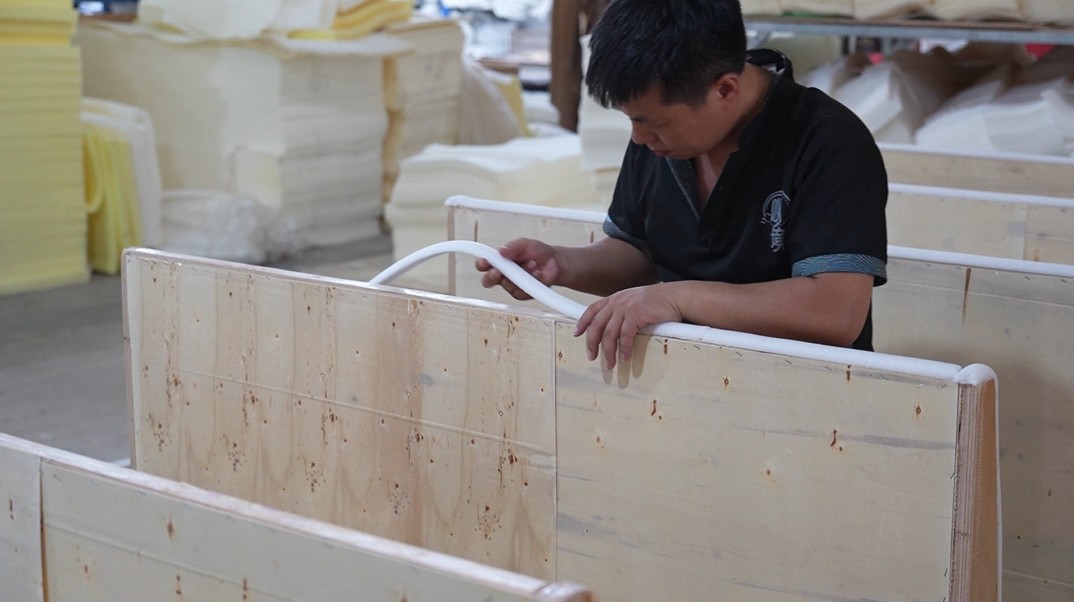
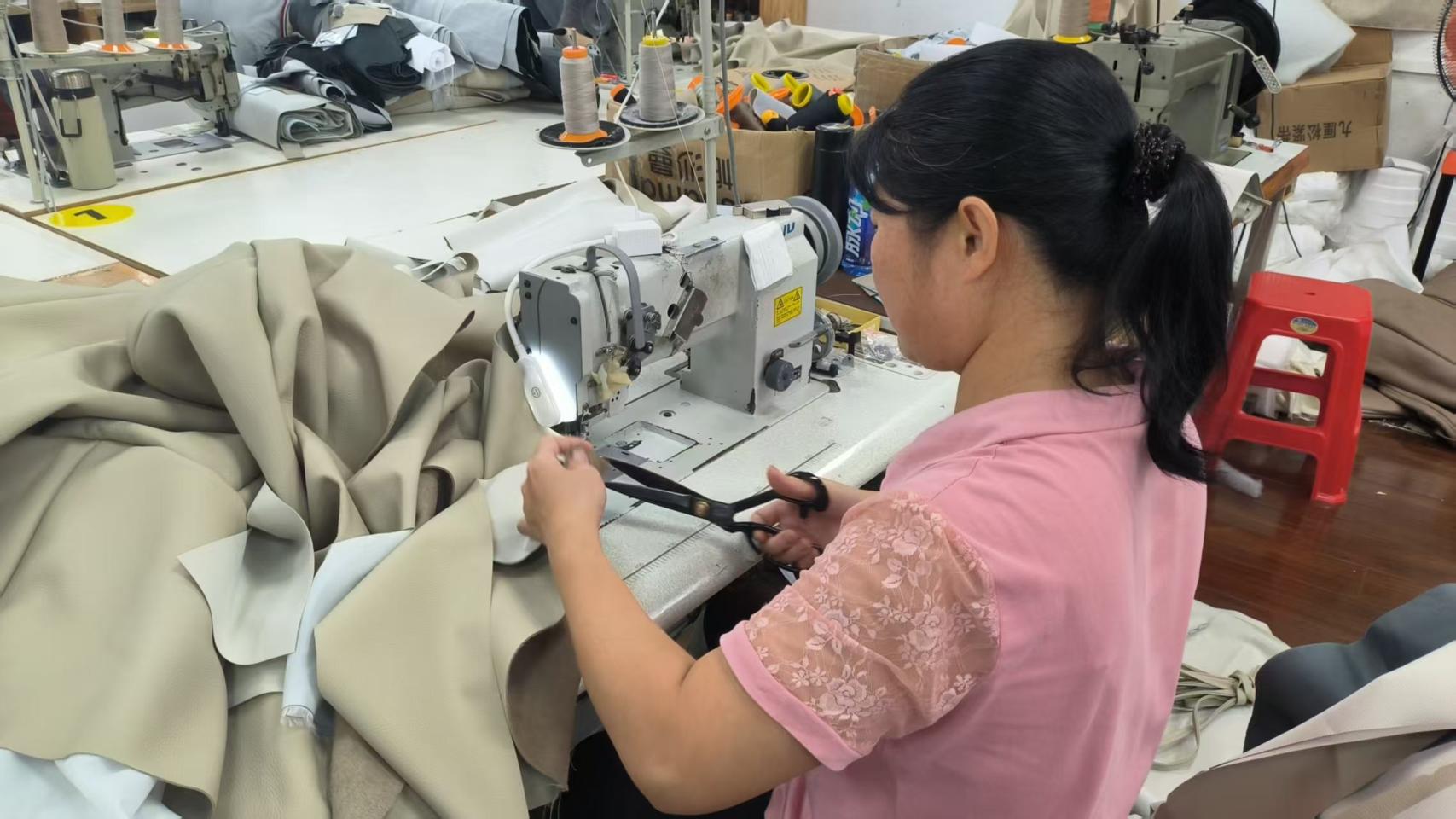
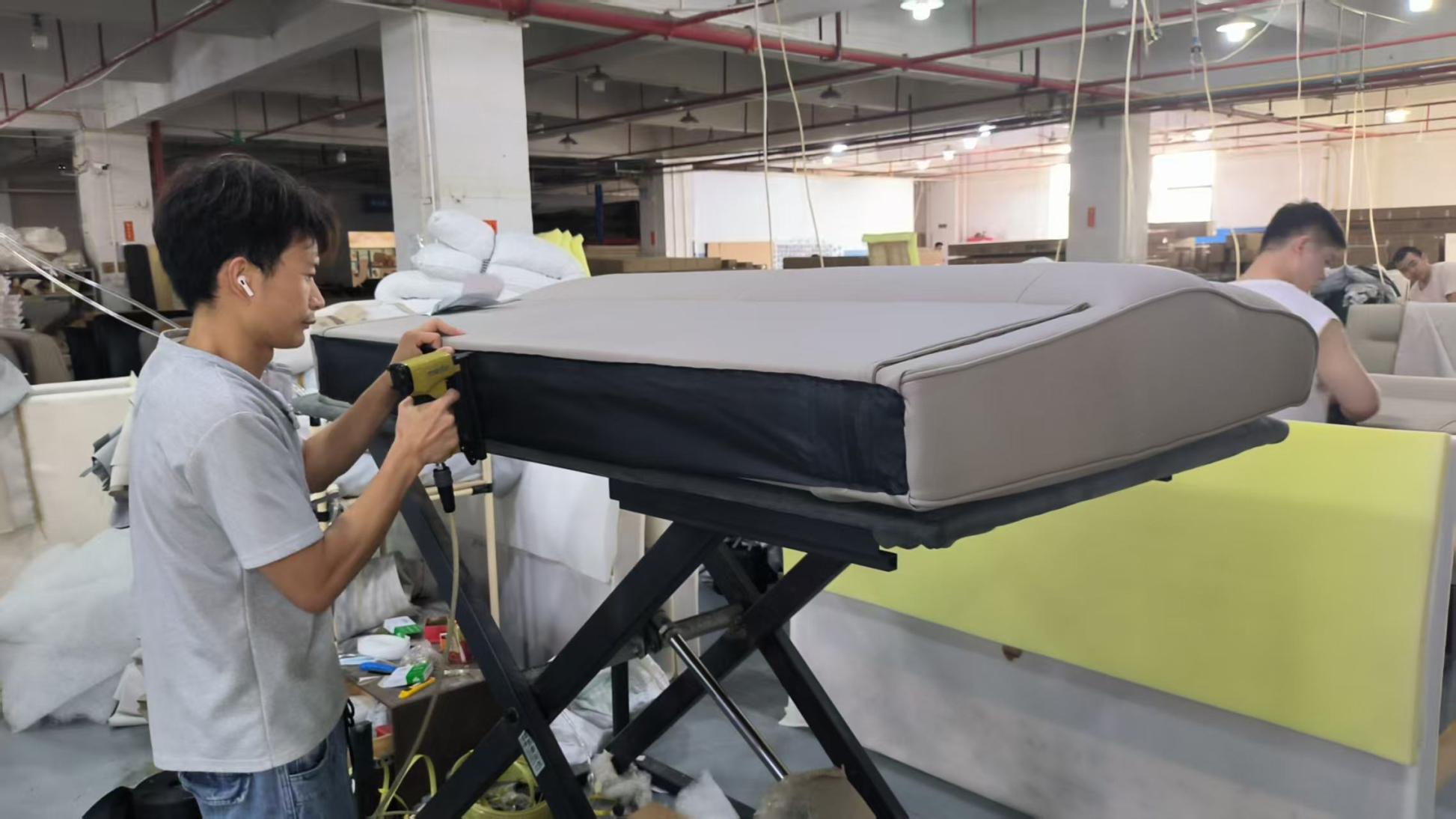
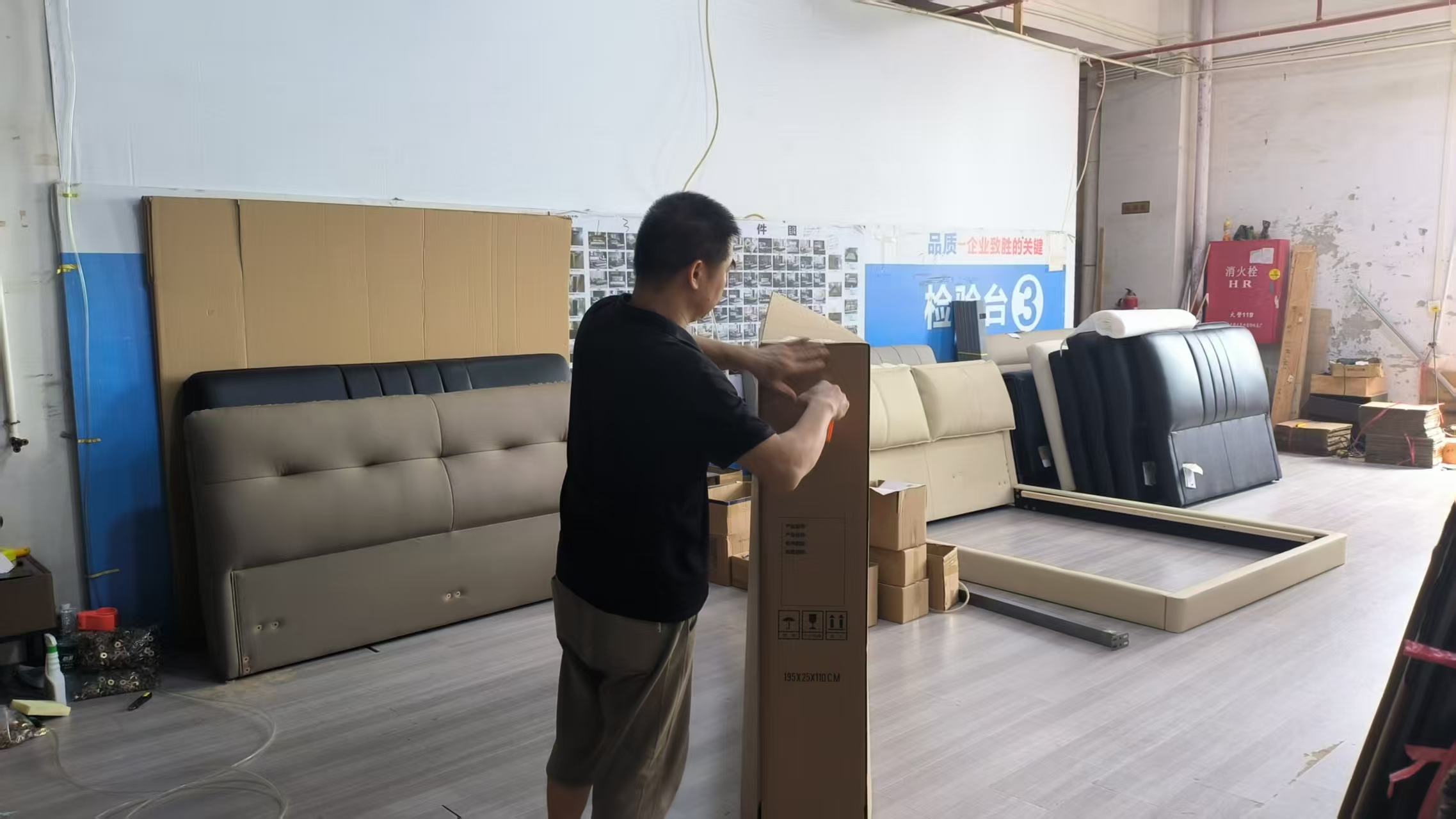
Inside our Shunde manufacturing facility. We oversee every stage of production from raw lumber processing through precision stitching to export packing.
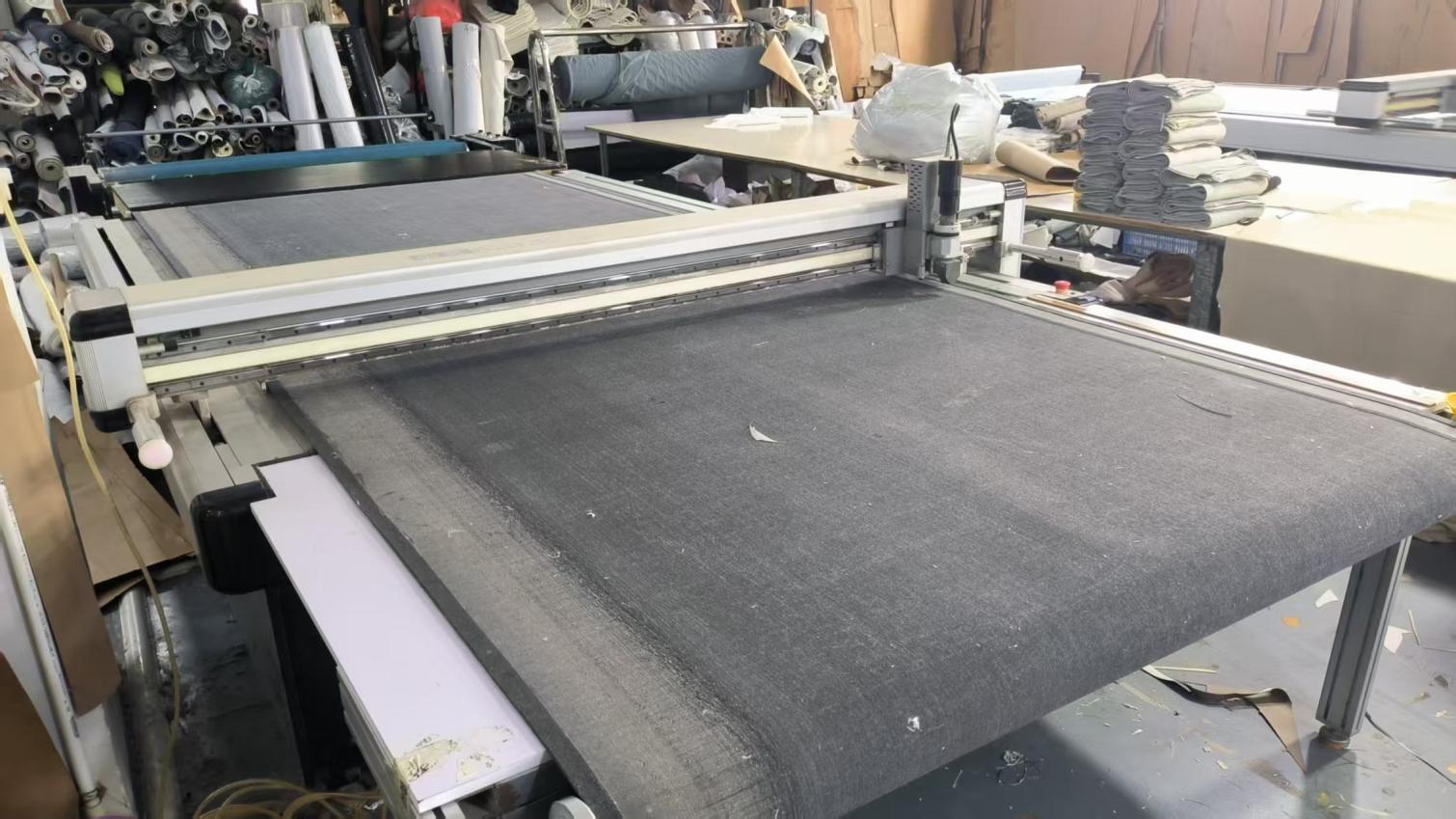
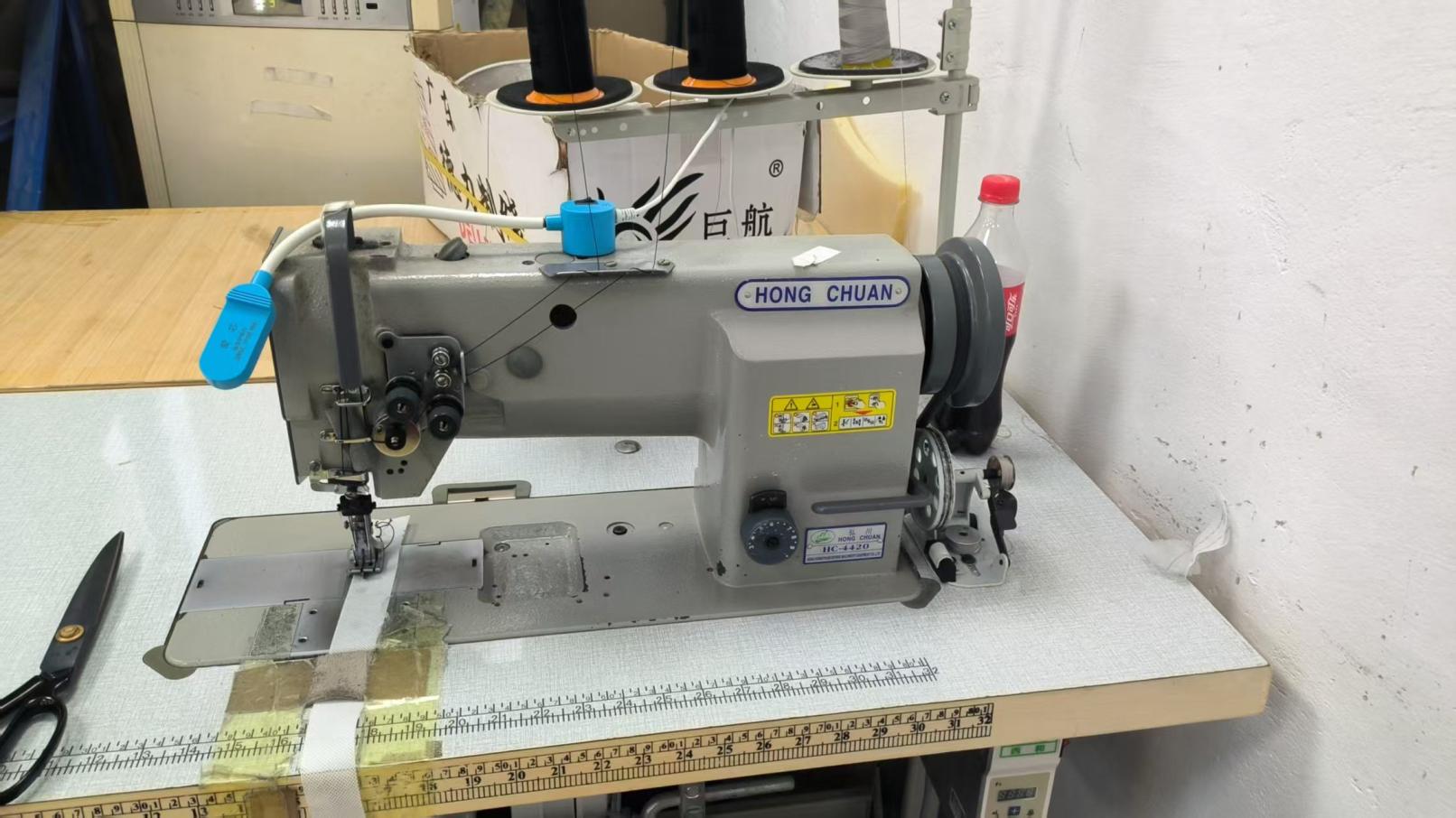
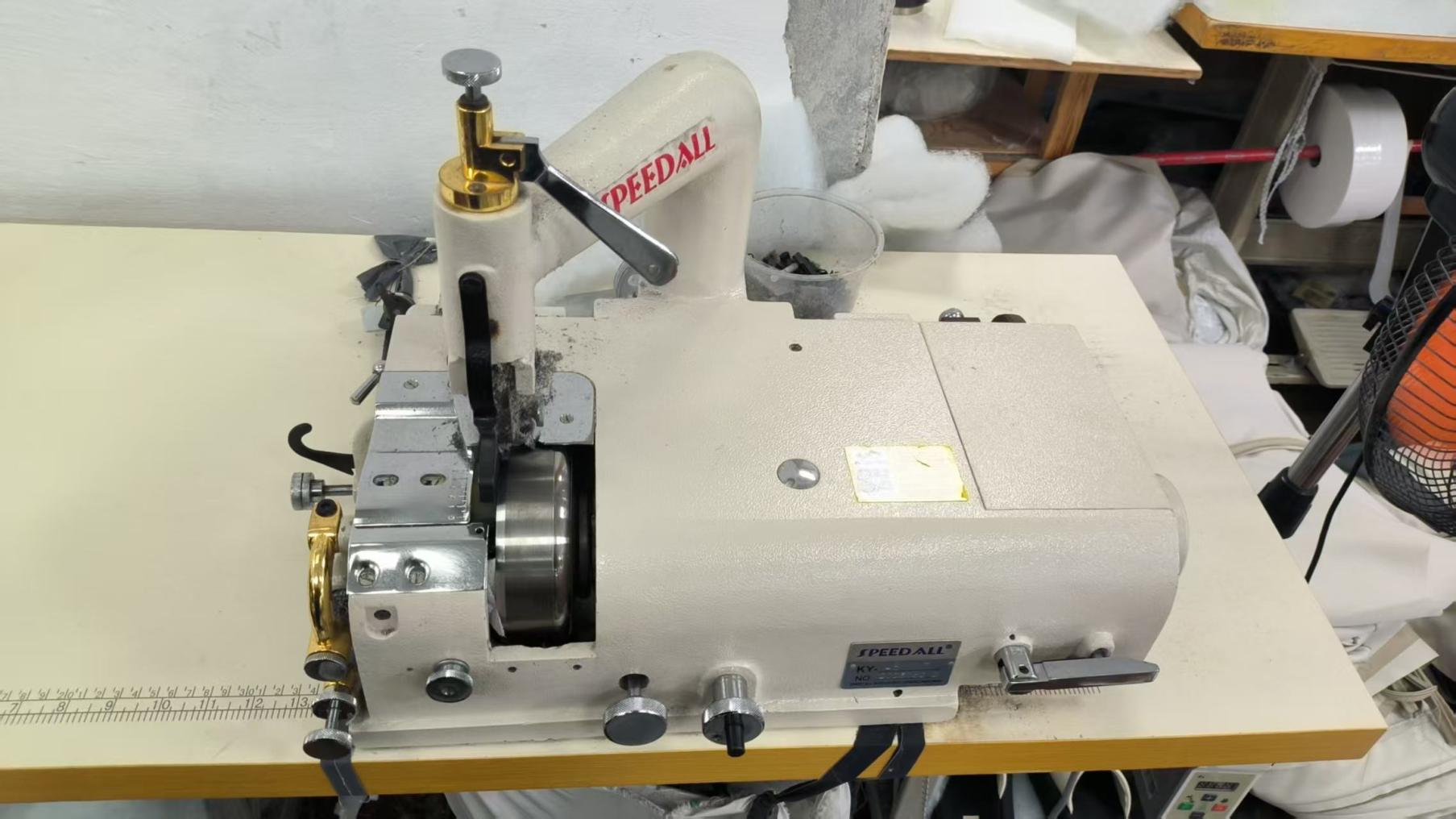
Answers to key regulatory, production, and logistical questions for international B2B buyers and importers.
CE Certification indicates that night tables and bedside furniture meet the European Union's health, safety, and environmental protection standards. For standard wooden/metal furniture, this covers structural stability, load-bearing capacities under EN 12521 (strength, durability, and safety for domestic furniture), and chemical restrictions (such as VOCs and formaldehyde). If the night table integrates wireless charging, LED panels, or USB outlets, it must comply with the Low Voltage Directive (LVD) and Electromagnetic Compatibility (EMC) Directive to prevent safety hazards.
We source only high-density MDF, particleboard, and plywood that meet the E1 or E0 European standards and CARB Phase 2 requirements for the North American market. Our supply chain partners provide material certifications, and our finished goods undergo environmental chamber tests to verify that formaldehyde emissions remain below the threshold, ensuring suitability for residential, school, and hotel applications.
Our OEM/ODM process is structured as follows: 1. Design Consultation: The client provides 2D/3D CAD drawings or physical design samples. 2. Engineering Review: Our technical team assesses joint stability, load capacity, and material combinations (wood, metal, leather, marble). 3. Sample Prototype: We build a physical prototype in our Shunde workshop for dimensional and structural verification. 4. Testing & Refinement: The prototype undergoes weight-load and impact testing. 5. Mass Production: Production proceeds upon sample approval, with ongoing QC tracking throughout the process.
Yes. Hospitality projects require enhanced durability. We utilize heavy-duty commercial glides, high-pressure laminates (HPL) with heat and scratch resistance, and marine-grade protective varnishes. We also accommodate custom integrations, such as flush-mounted electrical outlets, power modules, and cut-outs matching localized international plug standards.
Furniture transport is susceptible to edge denting, drop damage, and moisture. Our packaging solutions utilize double-wall corrugated cardboard cartons, high-density polyethylene (PE) edge protectors, and custom corner foam guards. We also offer testing matching ISTA-1A or ISTA-3A drop standards for online e-commerce retailers, along with moisture-absorbing desiccant packs inside the shipping containers.
Our standard MOQ depends on the material composition (typically 50–100 units for solid wood furniture, and higher for custom metal frames). Our standard production lead time is 35 to 45 days after deposit confirmation and sample approval, depending on the complexity of the design and order volume.
Explore related furniture products manufactured to the same quality and engineering standards in our Shunde facility.