High-quality bespoke furniture crafted for bulk importers, hotels, and retail brands worldwide.

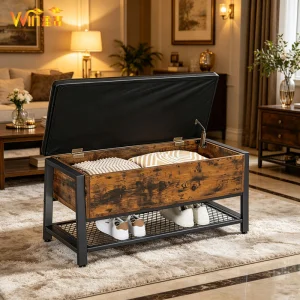
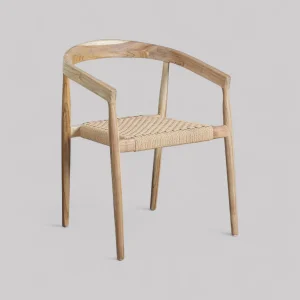
Analysis of the global commercial furniture market, Shunde supply chain advantages, and custom OEM/ODM solutions.
In the global hospitality, dining, and commercial real estate sectors, sourcing high-durability and design-forward furniture is crucial for operational longevity and brand positioning. As a leading hub of manufacturing, Shunde, China, serves as the epicenter of global furniture production. For procurement executives, distributors, and designers, partner choice dictates margins, design integrity, and supply chain resilience. This whitepaper analyzes the strategic dynamics of sourcing commercial-grade bar tables and furniture, outlining the technological advantages, material compliance frameworks, and production systems of Shunde Hark Homes Co., Ltd.
B2B furniture sourcing differs significantly from retail procurement. Buyers require detailed engineering specifications, certifications, and reliable capacity forecasts. When evaluating a China wholesale bar table manufacturer, procurement managers prioritize material structural integrity, load-bearing capacities, anti-tipping configurations, and wear-resistant coatings.
At Shunde Hark Homes, our operational model is built around these professional demands. We understand that commercial-grade furniture must withstand heavy use. Under E-E-A-T guidelines, our reliability is demonstrated through detailed material specifications, raw material traceability, and adherence to international mechanical performance tests. We provide structural calculations and performance metrics to ensure our products withstand the demands of high-traffic commercial environments.
Shunde, Guangdong, is known as China's furniture capital. This concentration of raw material suppliers, component factories, plating specialists, and logistics networks creates a highly efficient manufacturing environment. Sourcing from Shunde reduces logistics lead times for custom components and lowers material costs.
By balancing cost-efficiency with high manufacturing standards, we help wholesale distributors, contract furnishers, and project importers maintain healthy profit margins without compromising design detail or product lifespan.
Modern bar tables require a structural combination of wood, metal, and composite elements. The selection of materials depends on the intended environment, load requirements, and regional climate variations. Below is a structural comparison of materials used in Shunde Hark Homes' contract-grade bar table manufacturing:
| Material Type | Structural Density / Spec | Common Application Scenario | Regulatory Compliance Standards |
|---|---|---|---|
| Solid Ash & Oak Wood | 650–720 kg/m³ density, kiln-dried to 8%–12% moisture | High-end lounge bars, luxury hotel suites, residential dining | FSC Certified, Lacey Act Compliant, PEFC |
| Grade 304 Stainless Steel | 1.2mm–2.0mm wall thickness, PVD color plated | High-traffic commercial spaces, outdoor patio bars | ASTM A240, EN 10088-2 Corrosion Resistance |
| High-Pressure Laminate (HPL) | Density ≥ 1350 kg/m³, phenolic resin core | QSR (Quick Service Restaurants), institutional canteens | EN 438, Greenguard Gold (Low VOC) |
| Sintered Stone / Ceramic | 12mm thickness, Mohs hardness rating 6-7 | Fine dining bars, modern outdoor hospitality | ISO 10545 stain & scratch resistance, NSF Food Safe |
By managing moisture content in solid woods through advanced kiln drying, we prevent warping, splitting, and structural failures caused by temperature changes in export markets like North America and Northern Europe. Additionally, all load-bearing metal structures are welded using gas tungsten arc welding (TIG) and finished with durable electrostatic powder coating to prevent corrosion in humid environments.
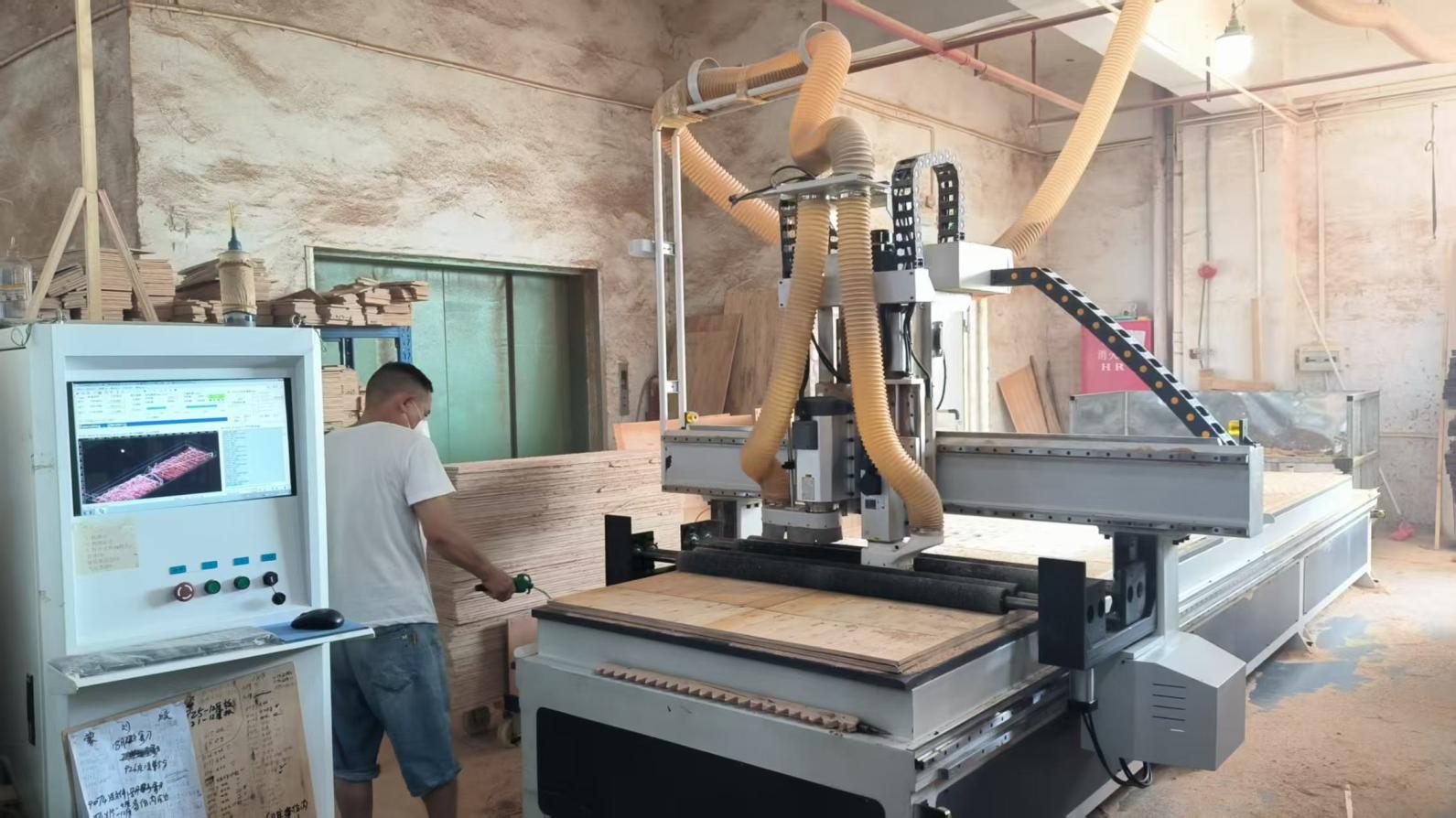
An inside look at our advanced machinery, meticulous quality control checkpoints, and skilled craftsmanship workflows.
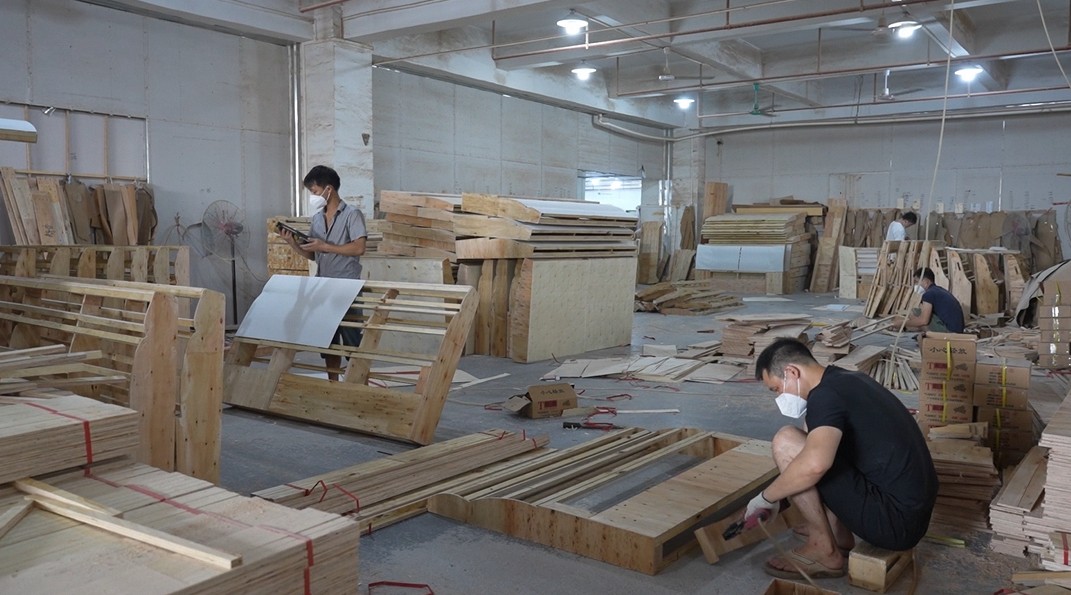
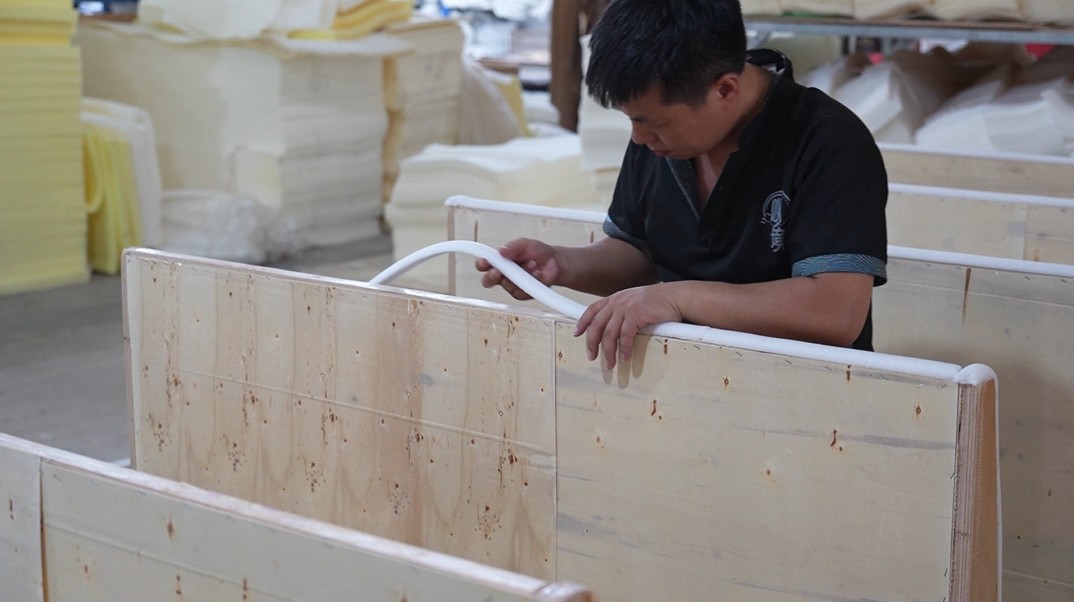
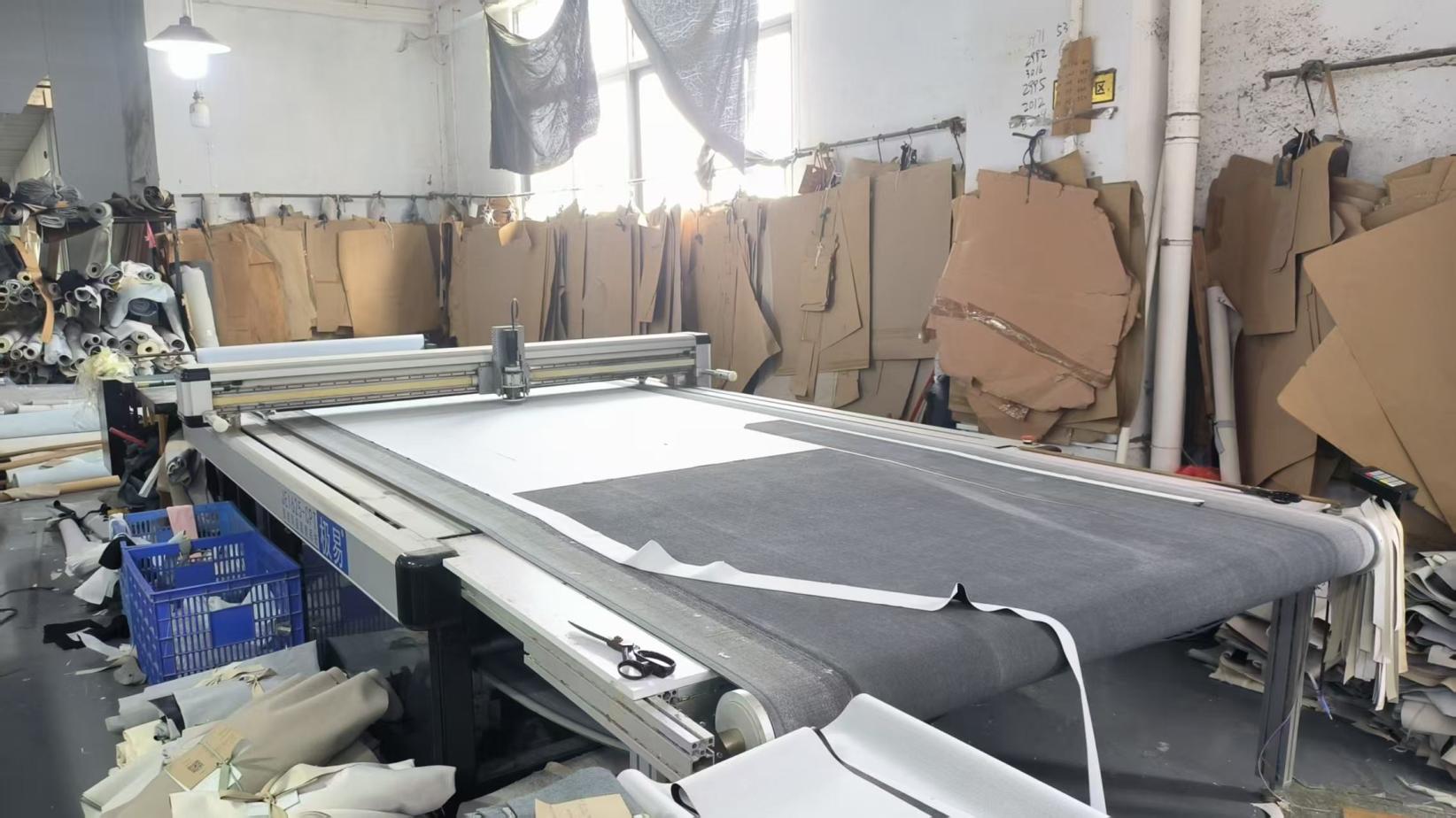
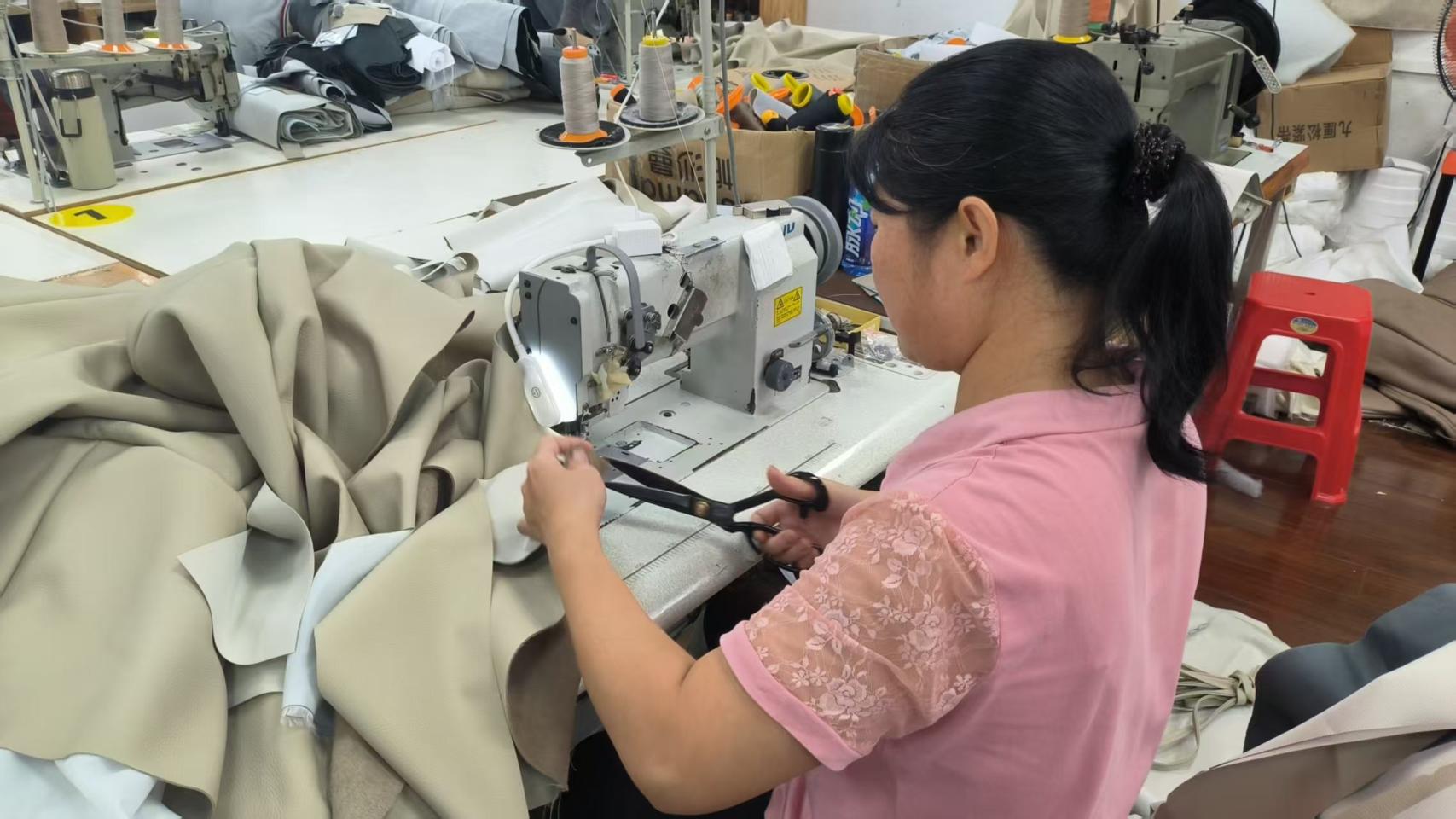
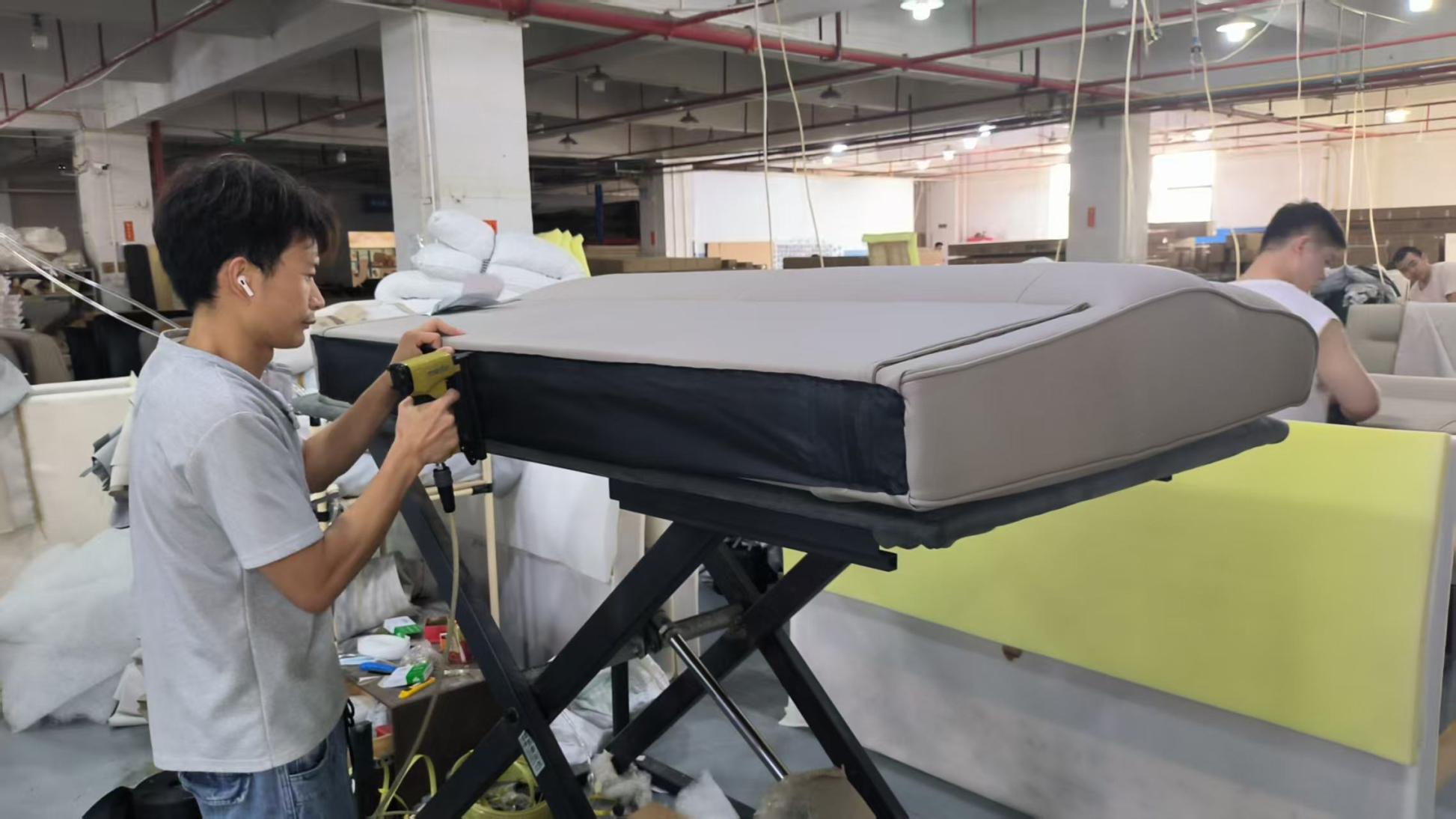
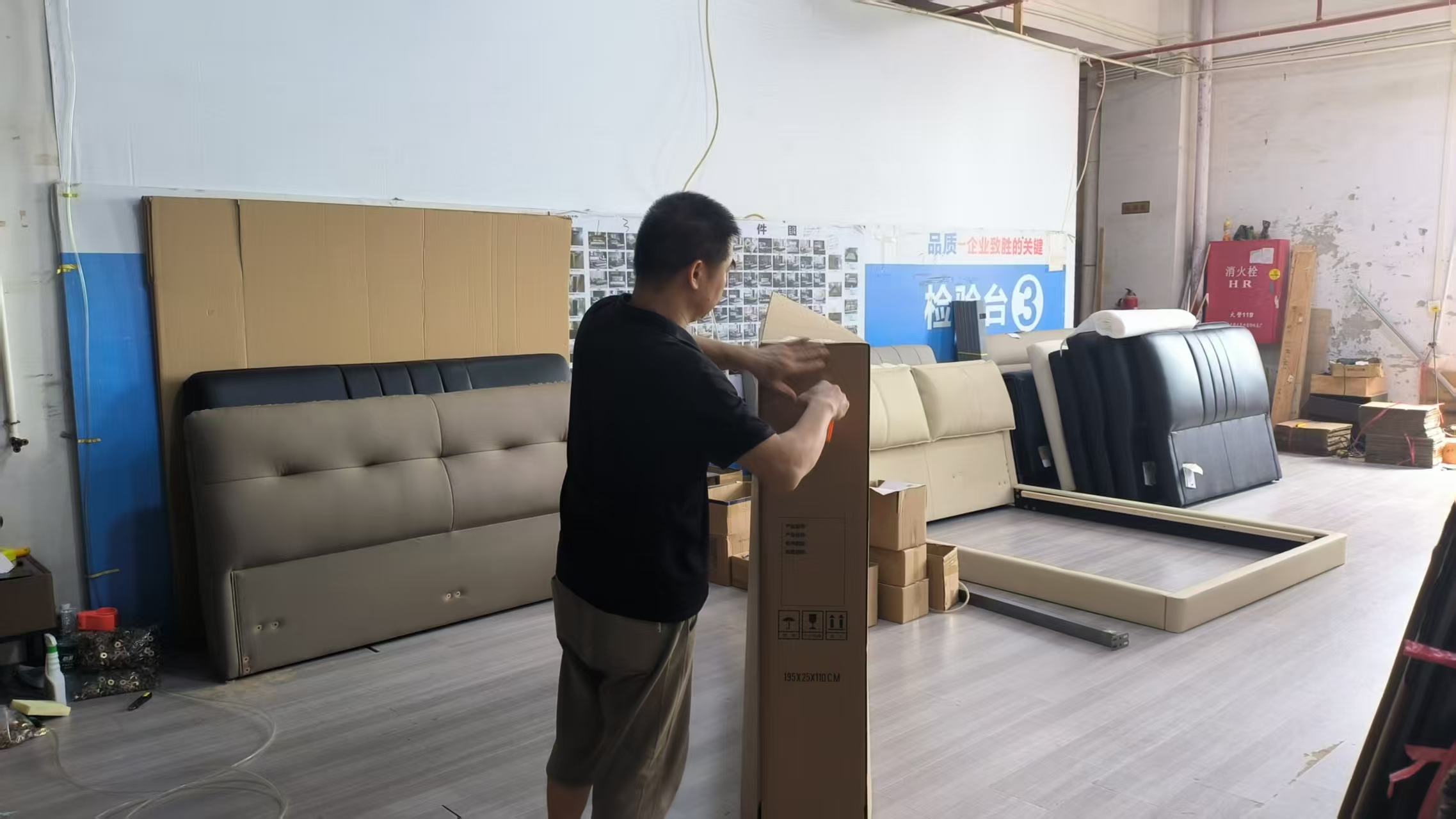
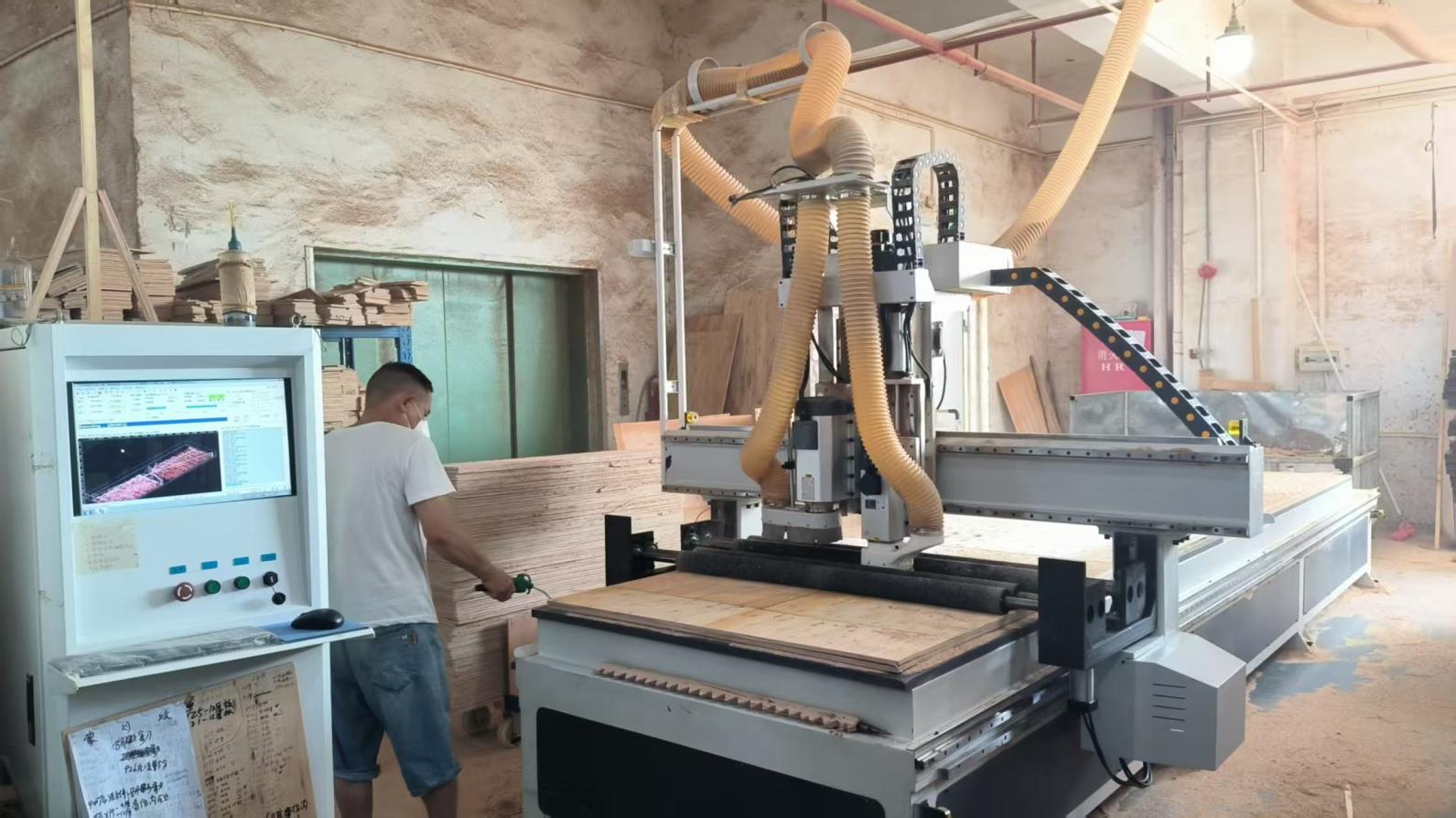
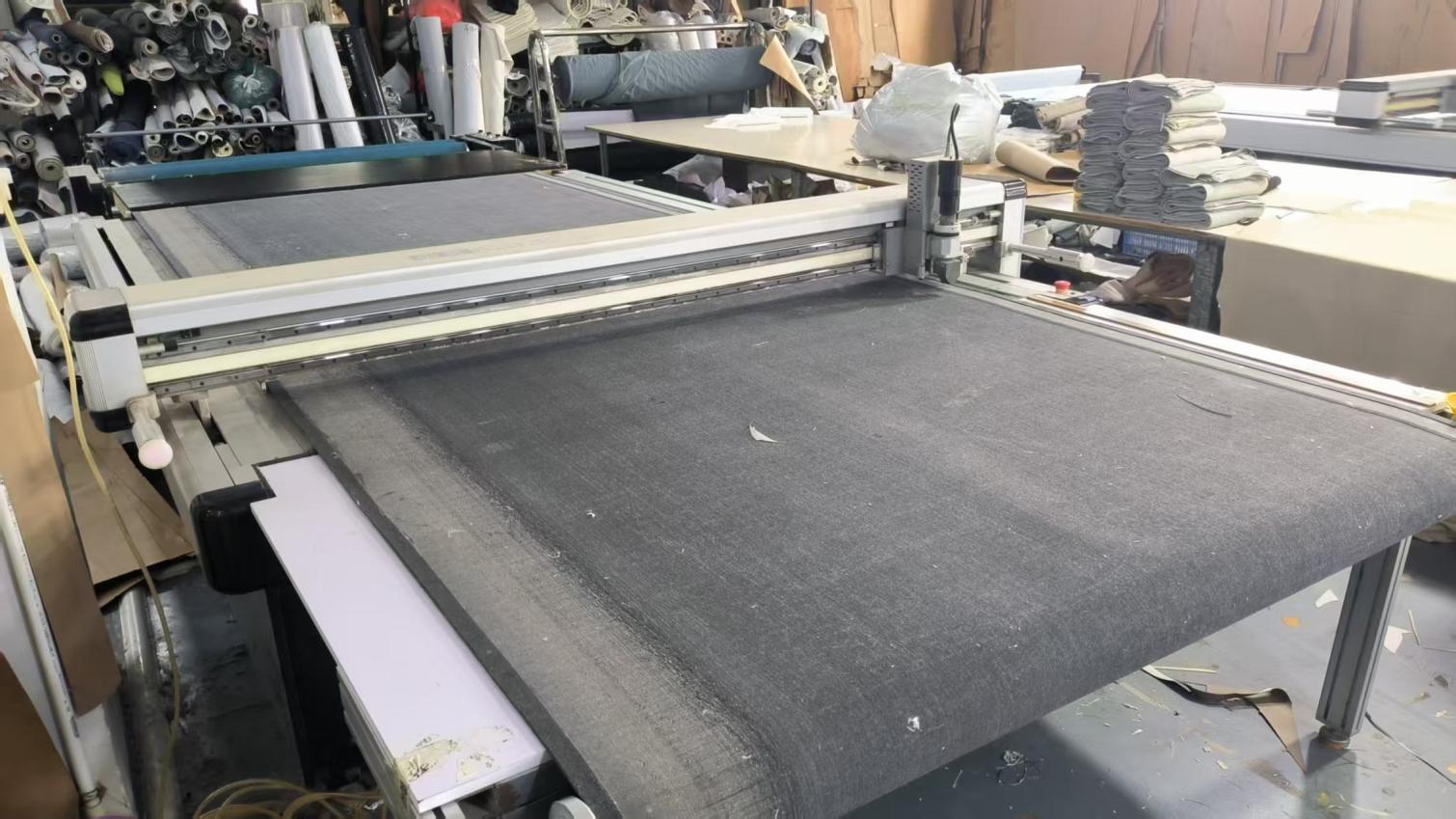
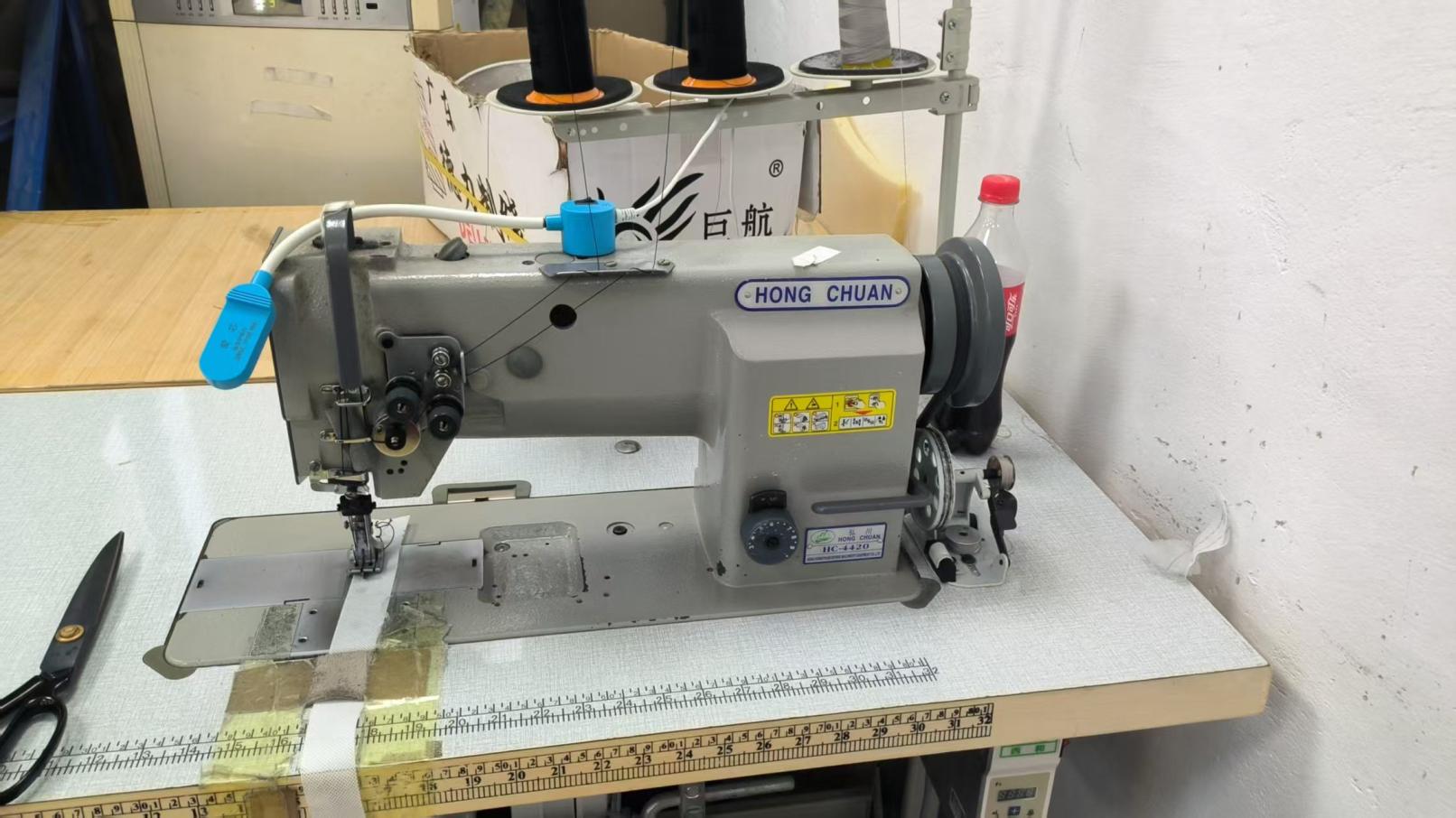
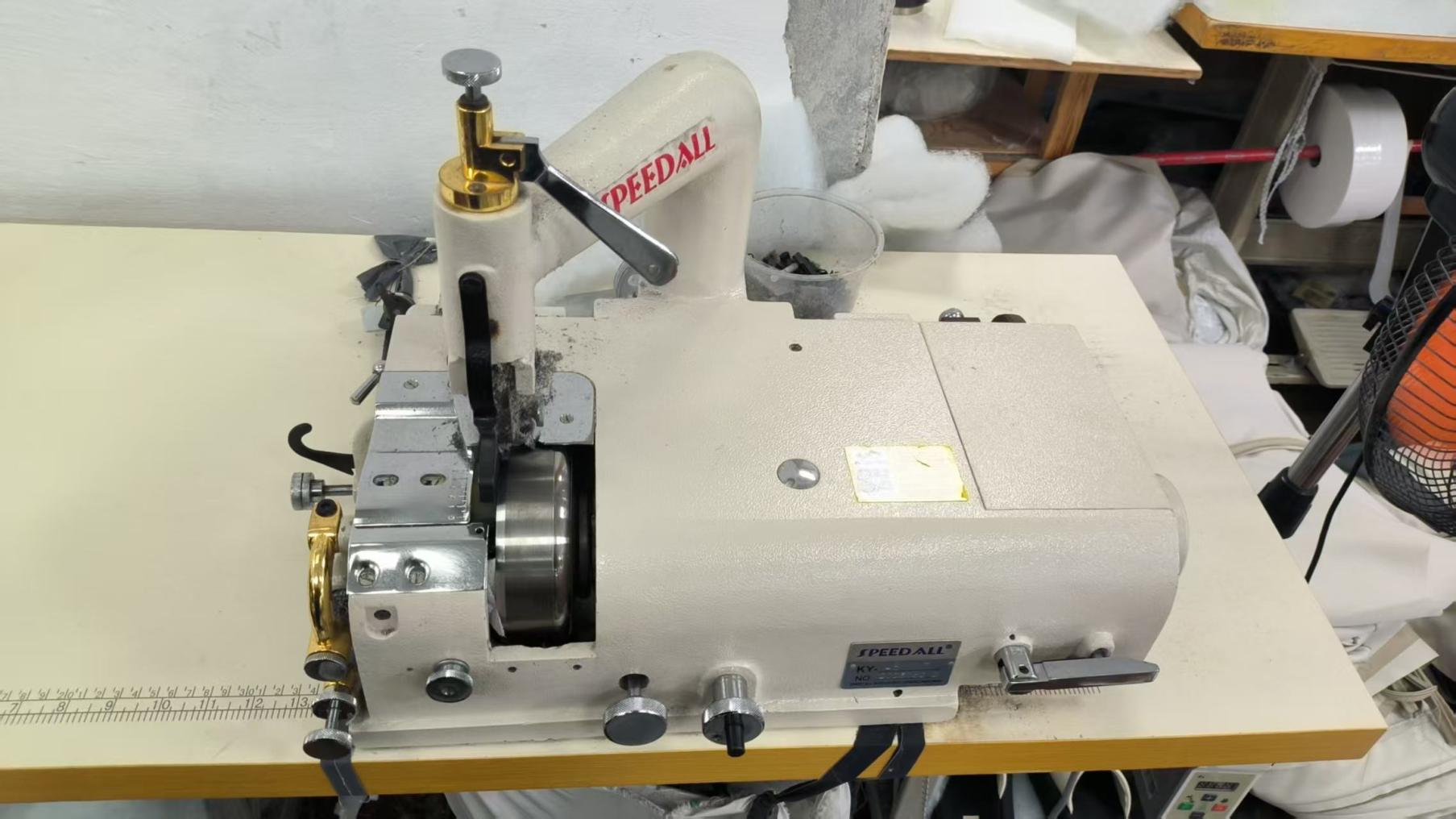
Exporting furniture requires compliance with target market safety, sustainability, and structural integrity regulations. Non-compliant furniture can lead to customs delays, liability issues, and brand damage.
European Market Compliance (EN 12521 & EN 15372): For European markets, commercial tables must meet EN 12521 standards (strength, durability, and stability requirements for domestic tables) or EN 15372 (standards for non-domestic/contract furniture). These regulations test shear and squeeze points, stability under vertical loads, structural fatigue, and impact resistance.
North American Market Compliance (BIFMA X5.5 & CARB Phase 2): For North American commercial clients, furniture must align with ANSI/BIFMA X5.5 standards, which cover desk and table products. Additionally, all engineered wood components (MDF, particle board, plywood) must comply with California Air Resources Board (CARB) Phase 2 and EPA TSCA Title VI regulations to limit formaldehyde emissions.
Fire Safety Regulations (CAL 117 & BS 5852): For projects involving upholstered bar stools or cushioned seating, materials must meet local flammability standards. In the US, this is California Technical Bulletin 117-2013; in the UK, it is BS 5852, which outlines test methods for the ignitability of upholstered composites by smoldering and flaming ignition sources.
Bar furniture serves different functional roles depending on the commercial environment, requiring specific design approaches:
The contract furniture market is shifting toward sustainability and modularity. Key trends include:
Sustainable Materials: Procurement teams increasingly require environmental declarations (EPDs) and FSC certifications. Recycled plastics, bio-composites, and low-impact metals are becoming standard specifications in B2B RFPs.
Modular Layouts: Commercial spaces require flexible furniture configurations. Modularity allows tables to be nested, extended, or reconfigured to support different events, reducing the overall furniture footprint and extending product lifespan.
Smart Tech Integration: Integration of power, charging, and connectivity features directly into table surfaces is a growing requirement for airport lounges, hotel lobbies, and coworking spaces.
Detailed insights into lead times, custom manufacturing, material compliance, and global logistics.
For standard OEM designs, our production lead time is 35 to 45 days after deposit confirmation and sample approval. For complex ODM designs requiring custom molds or unique metal finishes, lead times range from 50 to 60 days. This timeline includes raw material selection, CNC wood machining, metal fabrication, finishing, and multi-step QC.
We source all engineered wood, including MDF and plywood, from suppliers certified by EPA-recognized third-party certifiers (TPCs). We maintain chain-of-custody documentation, material safety data sheets (MSDS), and mill test reports for each batch of timber used in export orders.
Our standard MOQ for wholesale bar tables is 30 units per design. For mixed container loads or recurring project clients, we can adjust limits depending on material availability and tooling requirements. We also offer prototype development services for approved commercial projects.
Yes. We produce a wide range of furniture, including wooden, metal, and upholstered dining tables, sideboards, wardrobes, and chairs. We support consolidated FCL shipping from Shunde port, helping clients minimize shipping costs and simplify logistics.
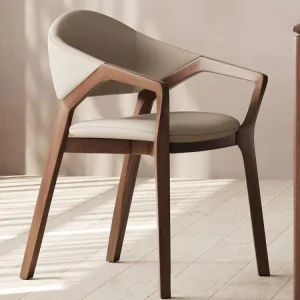
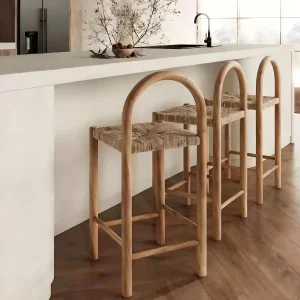
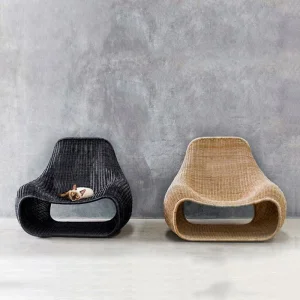
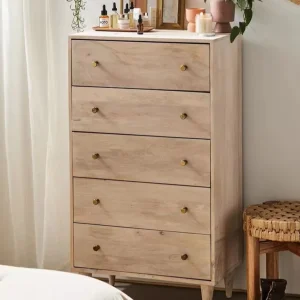
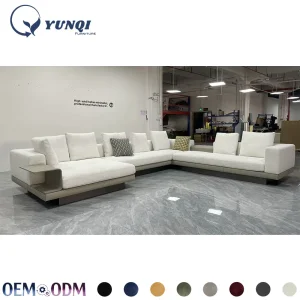
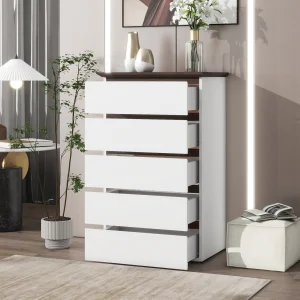
Discover matching chairs, storage solutions, and seating options to complete your interior design scheme.
 Hark Homes