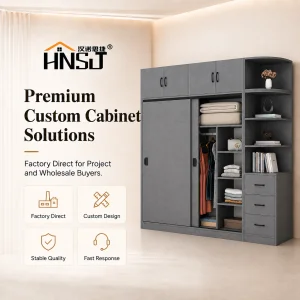
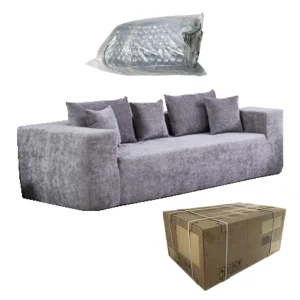
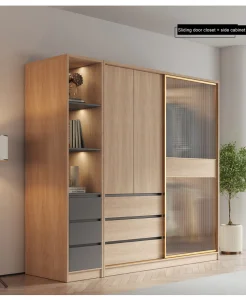
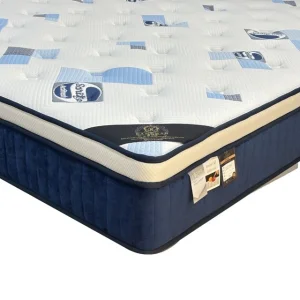
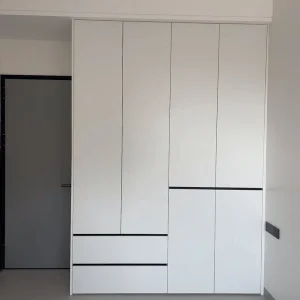
These products are part of the factory’s broader contract furniture capability. For buyers sourcing kids chairs, the same material planning, upholstery control, metal fabrication, packing discipline, and project communication can be applied to child-scale seating programs.
The phrase combines product category, buying volume, country of origin, and supplier role. A buyer using this search is usually not browsing a single retail chair. They are evaluating a supply partner for schools, daycare groups, hospitality projects, healthcare waiting areas, distributors, or e-commerce programs.
For that reason, a useful manufacturer page must answer the questions behind the keyword. Can the factory engineer child-scale ergonomics rather than simply shrink an adult chair? Which wood, engineered board, metal, plastic, upholstery, foam, and finish systems are available? How are stability, edge safety, fasteners, cleanability, and repairability controlled? What is the sampling path, MOQ logic, production lead time, packing method, and export documentation flow? And can the supplier act as an OEM/ODM partner with consistent quality records instead of a generic trading channel?
This is where information gain matters. Google’s quality framework rewards pages that demonstrate first-hand experience, expertise, authority, and trust. A buyer-facing page should therefore show manufacturing evidence, material knowledge, project support, localized use cases, and realistic compliance guidance. It should not make empty claims. It should help a procurement team reduce risk before requesting a quotation.
Age band, seat height, back angle, load capacity, edge radius, material, finish, color, stackability, and cleaning method must be defined before a reliable quotation.
Buyers want proof of factory capability: R&D, sampling, material control, in-process inspection, final inspection, packing validation, and OEM/ODM experience.
MOQ, mixed models, carton design, container utilization, spare parts, manuals, labeling, and destination-market documentation affect total landed cost.
Child furniture procurement requires traceability, repeatable quality, replacement strategy, and clear communication when a project scales across locations.
A kids chair is not only a piece of furniture. It is a child-scale interface with safety, hygiene, teaching environments, cleaning routines, project budgets, and repeat-order requirements.
Seat height, seat depth, back height, and foot support should match the intended age band. For educational furniture, EN 1729-style size marking logic can help align chairs and tables by user group.
A lightweight chair still needs controlled stability. Splayed legs, foot caps, anti-slip surfaces, corner radius, and backrest geometry should be validated with the target use, not guessed from adult furniture.
Solid wood, engineered wood, powder-coated metal, polypropylene, molded plywood, fabric, foam, and water-based coatings must be selected for the destination market, cleaning chemicals, and expected use intensity.
Daycares, clinics, restaurants, and libraries need easy-wipe surfaces, sealed edges, durable upholstery, and fewer dirt traps. Design details should support daily cleaning without rapid finish deterioration.
Replaceable feet, standardized screws, accessible hardware, and interchangeable shells reduce maintenance burden for multi-site buyers and improve long-term total cost of ownership.
Knock-down design, hardware bags, instruction sheets, stackability, carton strength, and container loading all influence landed cost. A chair that is difficult to pack can erase factory price advantages.
Localization changes the specification. A chair for a Montessori classroom is not the same as a chair for a hotel kids club, a pediatric waiting room, or a retail play zone. The following use cases help project buyers translate a location into a more precise brief.
Prioritize easy-clean seats, rounded edges, stackability, size marking, and durable finishes that tolerate frequent sanitizing.
Specify chair-table sizing logic, lightweight construction, stable feet, and color systems that fit school identity and procurement standards.
Child-scale proportions, natural wood character, movable seating, and flexible arrangements matter more than rigid classroom uniformity.
Quiet spaces need comfortable back support, friendly shapes, soft-edge detail, and low-maintenance surfaces for mixed-age public use.
Hygiene, wipeable upholstery, non-slip feet, and reassuring colors are important. Chairs should not create hidden crevices that complicate cleaning.
Stable seating helps reduce movement during consultations. Compact footprints and parent-friendly layouts are often useful in treatment rooms.
Rounded forms, predictable stability, calm colors, and modular seating support varied needs. Avoid sharp hardware protrusions and unstable lightweight frames.
Commercial venues need compact chairs, wipe-clean surfaces, coordinated palettes, and replacement-part planning for high-traffic hospitality use.
Public spaces require durable feet, anti-tip design, tamper-resistant fasteners, and intuitive maintenance. Visual identity also matters for branded environments.
Brands may need logo detailing, custom colors, quick assembly, and display configurations that align with seasonal campaigns and store rollouts.
Parents and interior designers look for child-friendly proportions, home-friendly finishes, and stackable or compact seating for smaller spaces.
Mixed-age use calls for robust structures, easy maintenance, and clear size choices so staff can arrange safe seating for different activities.
The next competitive frontier is not simply lower worker cost. It is faster specification alignment, better material traceability, cleaner manufacturing, more modular design, and stronger project support for international buyers.
Build a tested library of FSC-oriented wood sources, engineered boards, powder-coated steel, recycled or recyclable plastics, water-based finishes, and cleanable upholstery systems. Document cleaning compatibility and touch-up options.
Create size families, interchangeable shells, universal foot caps, stackable frames, and common hardware. This reduces engineering time for repeat clients and supports global school or hospitality rollouts.
Use clearer BOM control, CNC repeatability, jig-based assembly, in-process quality checks, and photo-based inspection reports. For buyers, consistency across repeat orders becomes easier to verify.
Future programs will favor replaceable parts, lower-VOC finishes, smarter packaging, material declarations, and localized labels. Digital product information can help distributors and project owners manage maintenance.
For buyers, the practical takeaway is to ask for a roadmap rather than a single catalog price. A strong supplier should explain how a chair specification can evolve from sample to pilot order to repeat production. That includes whether dimensions are fixed or modular, how colors are controlled, how upholstery is matched, how spare feet and hardware are supplied, and how packaging changes when the same chair is sold through a project tender, a distributor, or an e-commerce channel.
Future kids chair programs will also be judged by maintainability. Schools and hospitality groups increasingly want long service life and simple repair. Healthcare and daycare buyers pay close attention to cleanability. Designers want material stories that support sustainability claims. The manufacturer that can combine child-safe engineering with documentation, modularity, and responsive customization will have a stronger position than a supplier offering only the lowest unit price.
China’s furniture manufacturing advantage is often misunderstood as a simple labor-cost story. In practice, value comes from material clusters, machining capability, supplier depth, trained engineering teams, and mature export packing.
Being based in Shunde, a furniture manufacturing hub in Guangdong, supports access to wood, board, metal, glass, upholstery, foam, hardware, coatings, and packaging suppliers within a mature industrial ecosystem.
Efficient supply chain coordination, optimized production planning, and lean manufacturing help balance strict quality standards with cost control for wholesale and project orders.
Incoming material checks, in-process inspection, stability checks, finish review, hardware verification, and final pack inspection reduce surprises before shipment.
Carton strength, corner protection, hardware bags, modular assembly, and loading plans directly affect unit cost. Good packing is a factory advantage, not an afterthought.
Resilience is built before the order is confirmed. For wholesale kids chairs, the factory should map critical inputs such as hardwood, plywood, metal tube, powder coating, fabric, foam, and cartons. It should also know which components create the longest lead time. When a buyer changes a color, adds a logo, needs a new size, or splits a purchase order across multiple delivery windows, the supplier’s planning system and supplier depth become visible.
Efficiency should not be achieved by removing checks. It is better achieved through repeatable design, standardized hardware, good fixtures, clear BOM structures, and pre-approved finishes. Shunde Hark Homes’ manufacturing experience supports this kind of disciplined customization: the goal is to protect structural stability, surface quality, ergonomic detail, and durability while still helping partners stay competitive.
Demand for children’s seating now comes from professional buyers who think in terms of multi-site procurement, contract furniture packages, replacement cycles, and brand consistency rather than one-off retail purchases.
Education groups and early-childhood operators need durable chairs that match age bands, classroom layouts, storage systems, and local safety expectations. Hospitality projects look for child-size chairs that reflect a hotel or restaurant’s interior identity while surviving high-turnover commercial use. Healthcare buyers prioritize hygiene, non-slip stability, and waiting-room resilience. Retail and entertainment venues want playful shapes with practical maintenance. E-commerce sellers and distributors need stable packaging, replaceability, and a product range broad enough to support repeat orders.
This professionalization changes the buying question. Instead of asking only “What is the price per piece?”, serious buyers ask for the total landed cost: sample cost, inspection cost, packaging performance, replacement-part availability, BOM consistency, and communication quality. A supplier that can support these factors reduces the hidden cost of delay, damage, and inconsistency.
Tenders and repeat rollouts require size logic, documentation, stable production, and predictable lead times across multiple campuses or distributors.
Design-led buyers need custom colors, materials, and branding while operations teams need easy cleaning and replacement planning.
Waiting areas and therapy spaces favor wipe-clean surfaces, anti-slip feet, rounded details, and reassuring visual design.
Channel-ready packaging, consistent product photos, replacement parts, and modular ranges can support inventory planning and marketplace requirements.
Compliance is not a logo placed on a catalog. It is a process of matching the intended age group, use environment, materials, test protocols, packaging, labels, and destination-market requirements.
Depending on the buyer and market, support can include material declarations, test reports, product data sheets, and communication around protocols such as EN 1729, ASTM F2613, EN 71-3, REACH, and CPSIA. Final conformity should be verified against the tested design and market requirement.
Language-specific assembly instructions, warning labels, size markings, batch identification, and retailer-specific labels help project buyers manage distribution and after-sales service.
Cartons can be developed for project delivery, distributor storage, retail display, or e-commerce. ISTA-style transport testing logic may be applied when buyers require packaging validation.
Foot caps, screws, glides, upholstery panels, and small hardware can be planned as service parts. This is especially valuable for schools, hotels, clinics, and distributors with installed bases.
A clear approval path covers golden sample, dimensions, color, materials, upholstery, logo placement, packaging artwork, and inspection criteria before mass production begins.
Export packing lists, carton marks, loading plans, shipment coordination, and photo documentation help buyers manage international projects with fewer information gaps.
The most reliable approach is to define the destination country, age range, usage intensity, cleaning method, load requirement, material restrictions, and test protocol before the quotation stage. This reduces costly redesign later. For example, a chair intended for a daycare may need a different upholstery and cleaning strategy than a chair intended for a hotel kids club or a dental waiting room. A distributor selling through e-commerce may need packaging that survives parcel handling, while a project contractor may prioritize stackable cartons and site-ready assembly.
Shunde Hark Homes Co., Ltd. is a professional furniture manufacturer specializing in the production of high-quality wooden, metal, and upholstered furniture. With over 16 years of industry development, we have built strong manufacturing capabilities and established long-term OEM and ODM partnerships with furniture brands, wholesalers, and project clients worldwide.
Our company is supported by a highly skilled production team, with core technical staff bringing more than 15 years of hands-on manufacturing experience. On average, our workshop team members have over 7 years of industry experience. This strong technical foundation allows us to effectively anticipate structural, material, and production challenges during product development and customization, ensuring stable quality and a smooth customer experience from design to delivery.
At Shunde Hark Homes, our R&D team continuously tracks global interior design trends and conducts regular market research and client feedback analysis. We are committed to developing furniture that aligns with modern aesthetics and functional needs. Each year, we introduce updated product lines featuring carefully selected materials, refined color palettes, and contemporary finishes to meet evolving market demands across residential, commercial, and hospitality sectors.
We operate a highly efficient supply chain system combined with optimized production planning and lean manufacturing practices. This allows us to maintain strict quality standards while effectively controlling production costs. By balancing quality and affordability, we help our partners enhance their market competitiveness and profitability.
Our product range incorporates a wide variety of premium materials, including natural solid wood, engineered wood, marble, tempered glass, ceramic, stainless steel, powder-coated metal, high-grade fabrics, and genuine or eco-leather. We pay close attention to craftsmanship details such as structural stability, surface finishing, ergonomic design, and durability testing to ensure long-lasting performance.
At Shunde Hark Homes Co., Ltd., we believe in building long-term, win-win partnerships. With our manufacturing expertise, design capability, and commitment to quality, we are dedicated to helping our clients succeed in competitive global markets. We sincerely welcome inquiries and look forward to cooperating with partners worldwide for mutual growth and success.
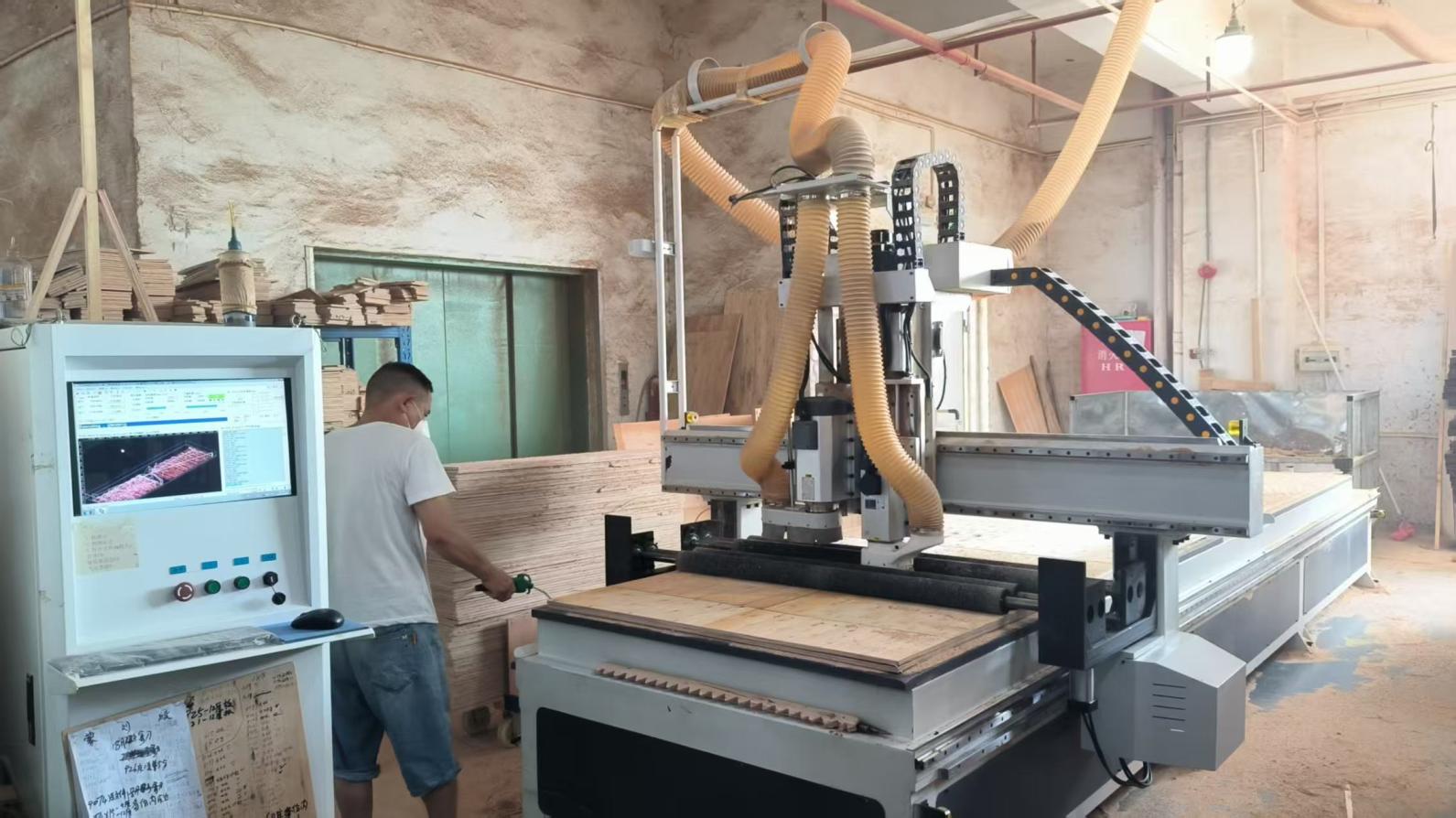 Wood Cutting
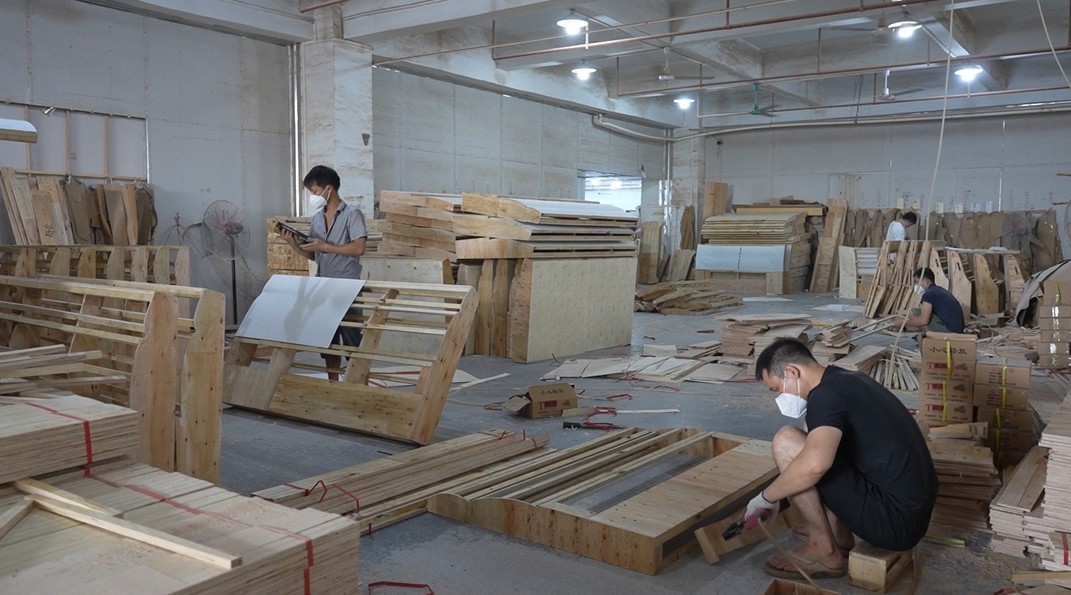 Wood Processing
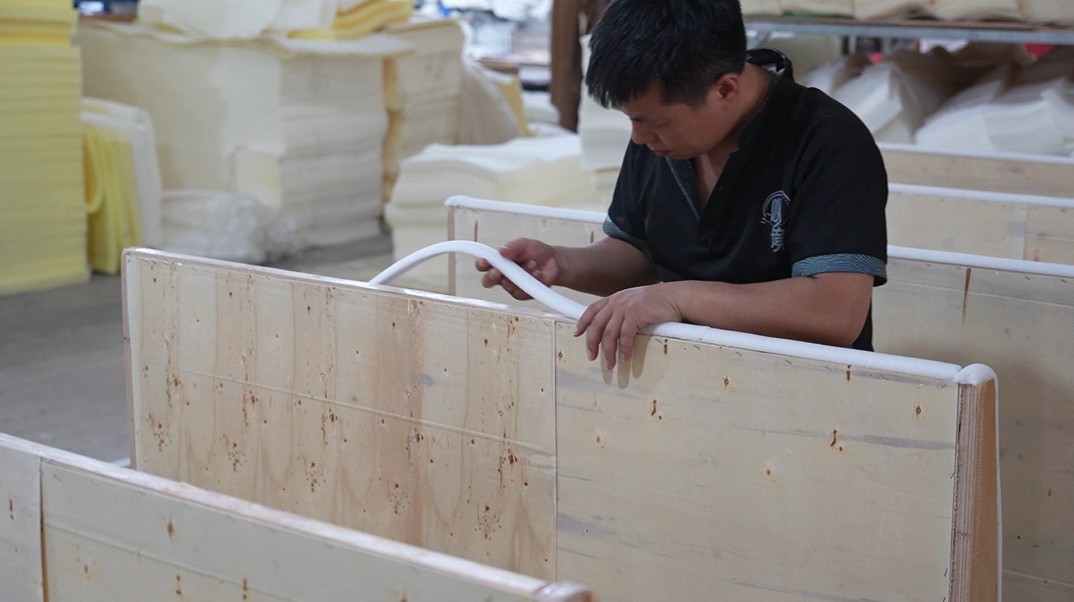 Assembling
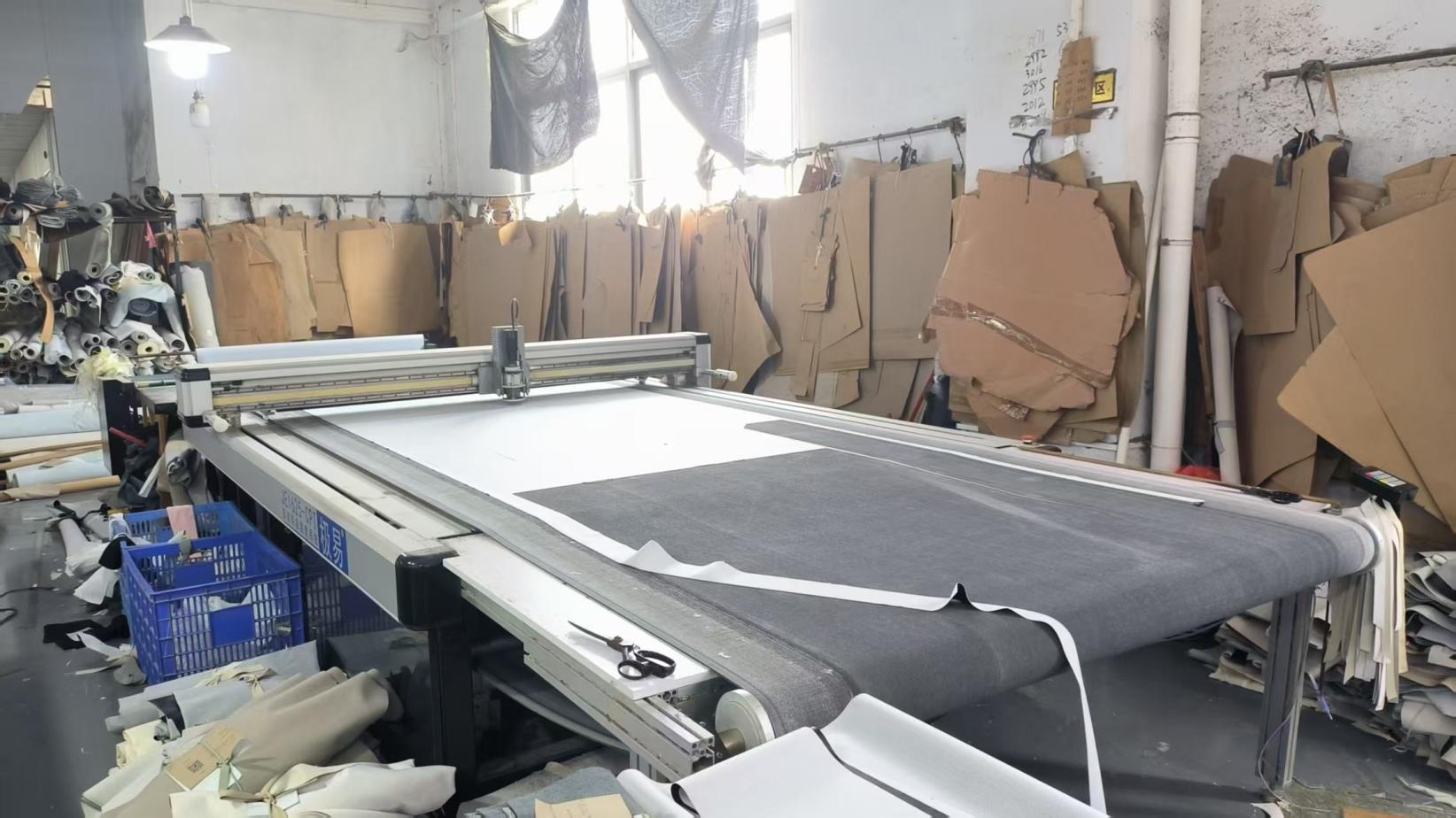 Cutting
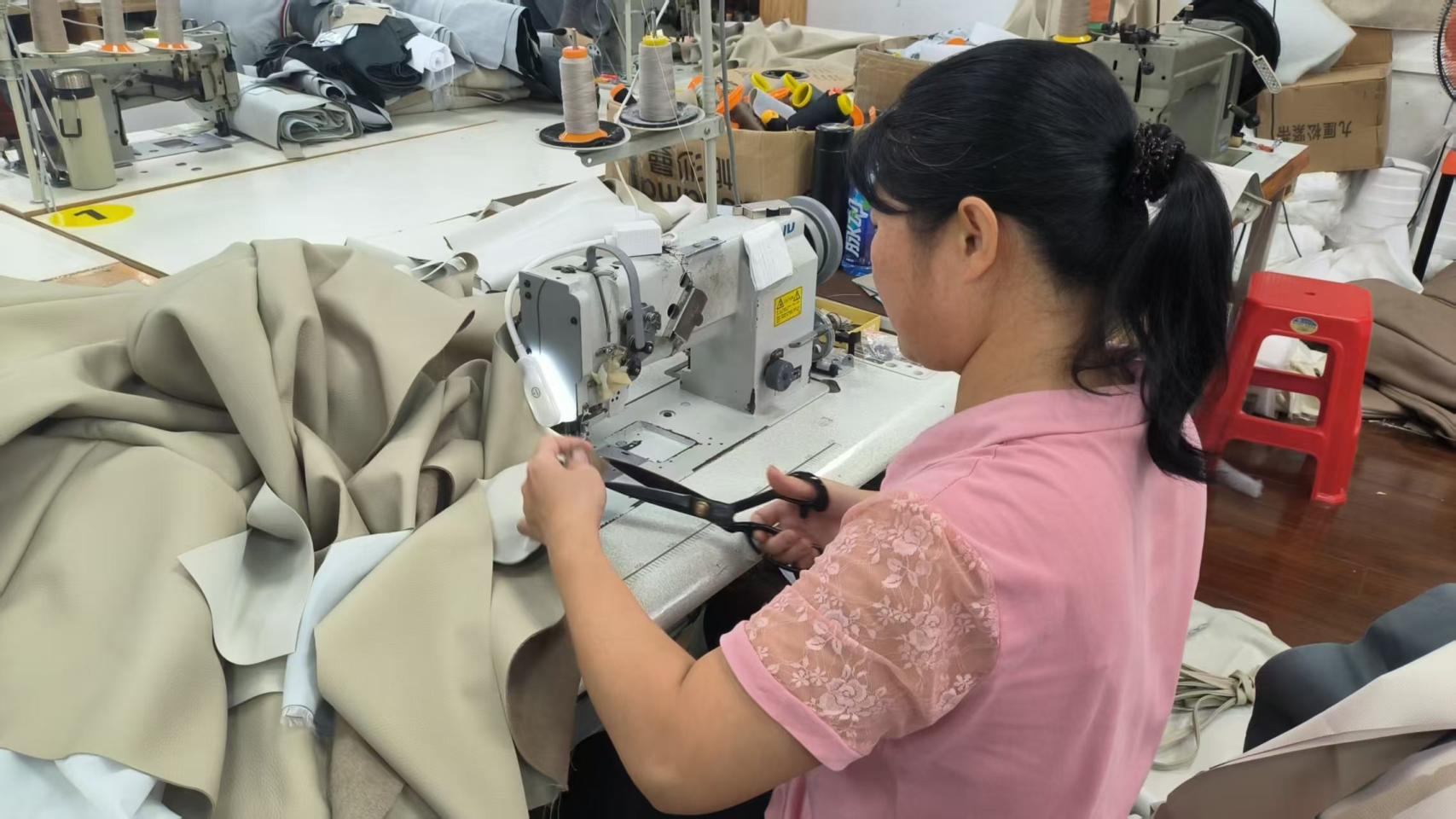 Sewing
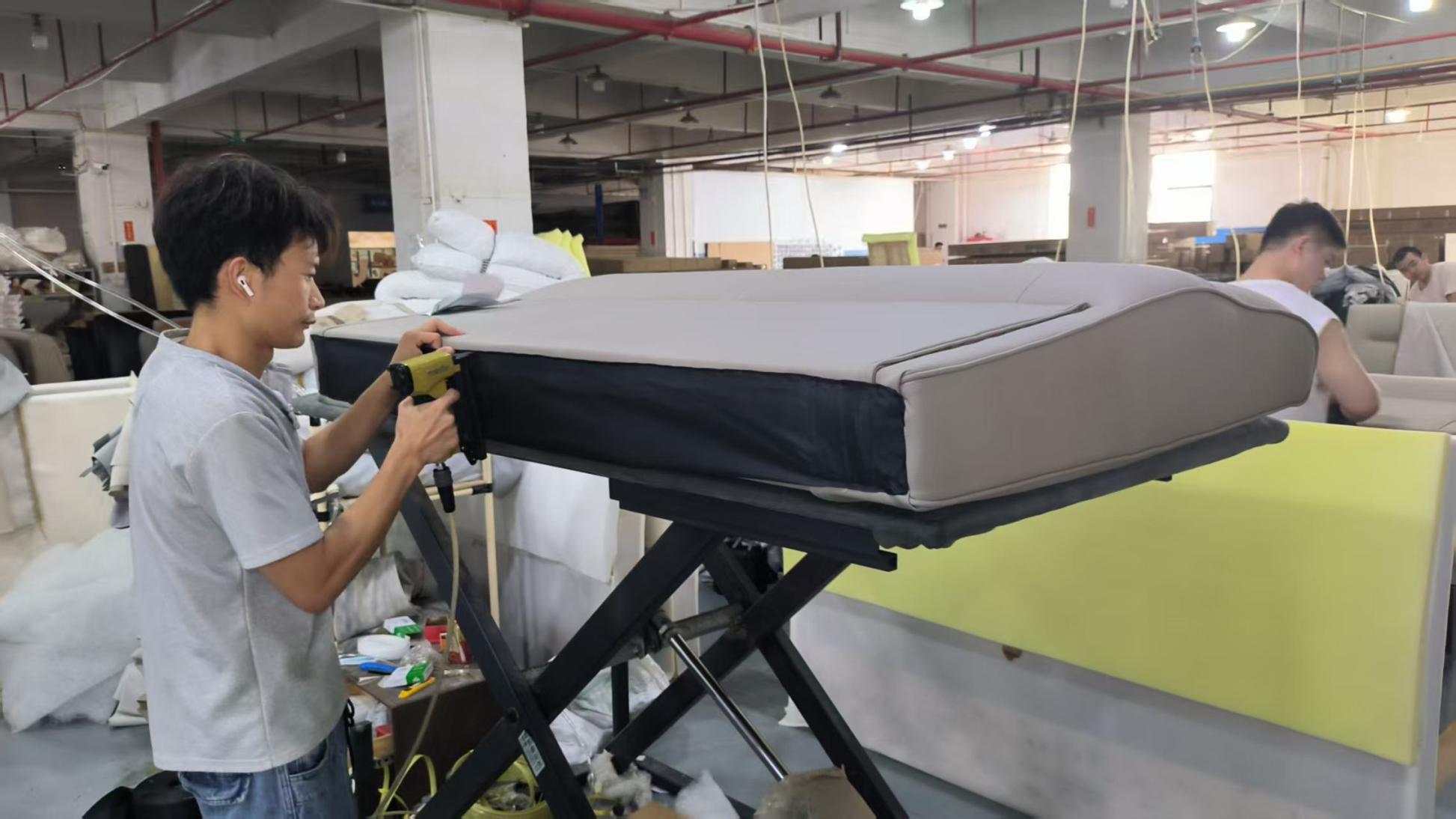 Assembling
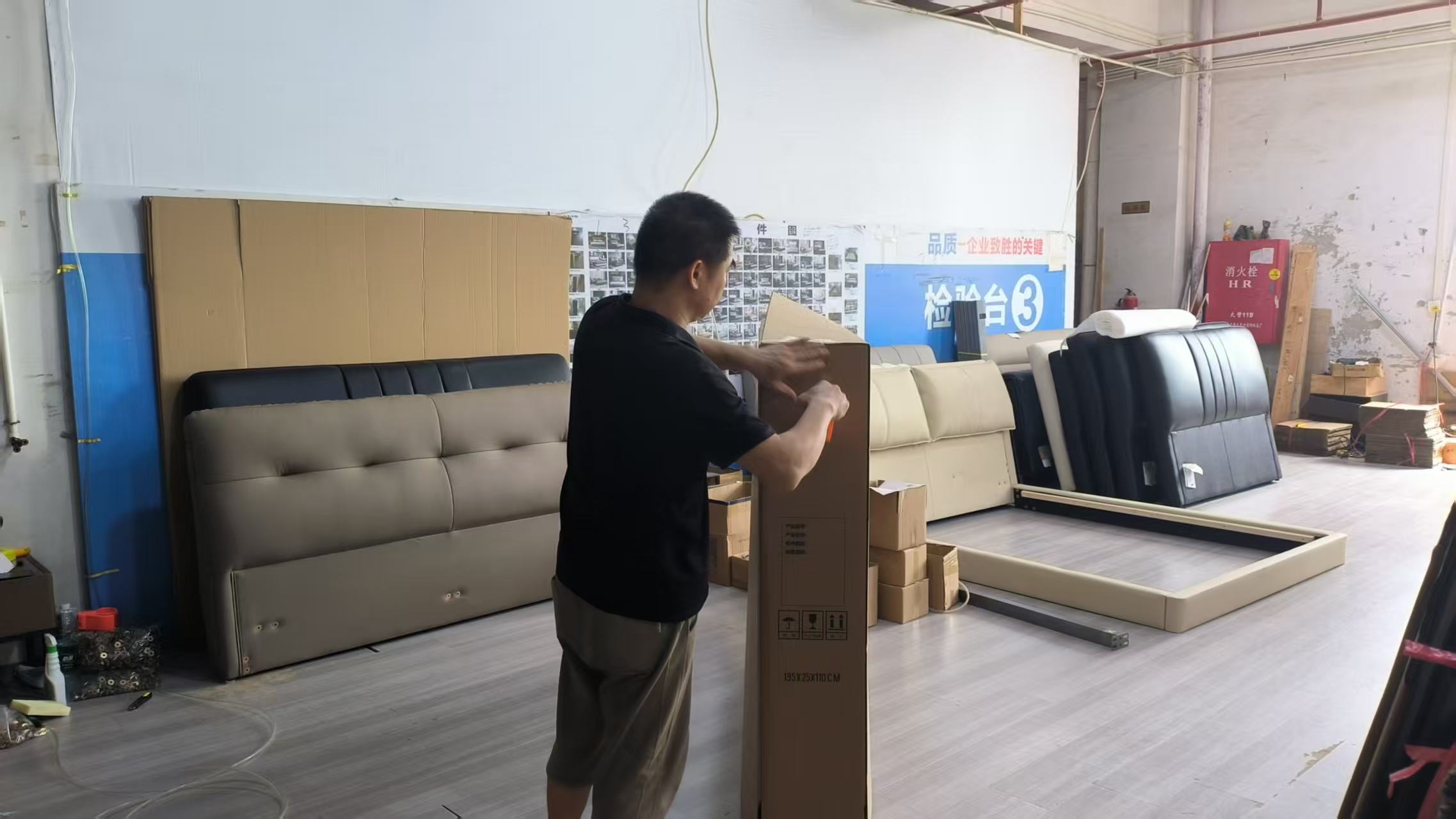 Packing
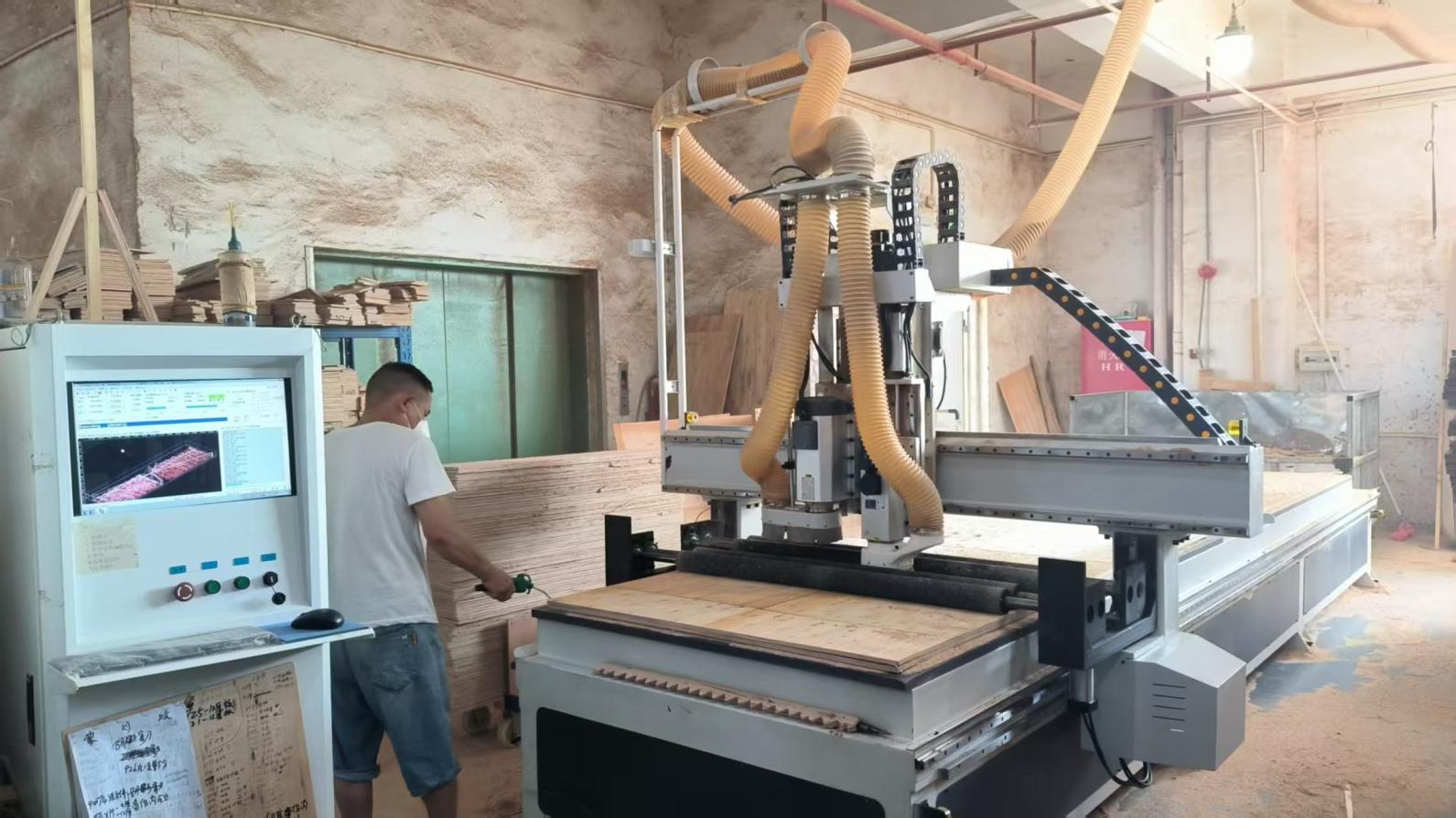 Wood Cutting Machine
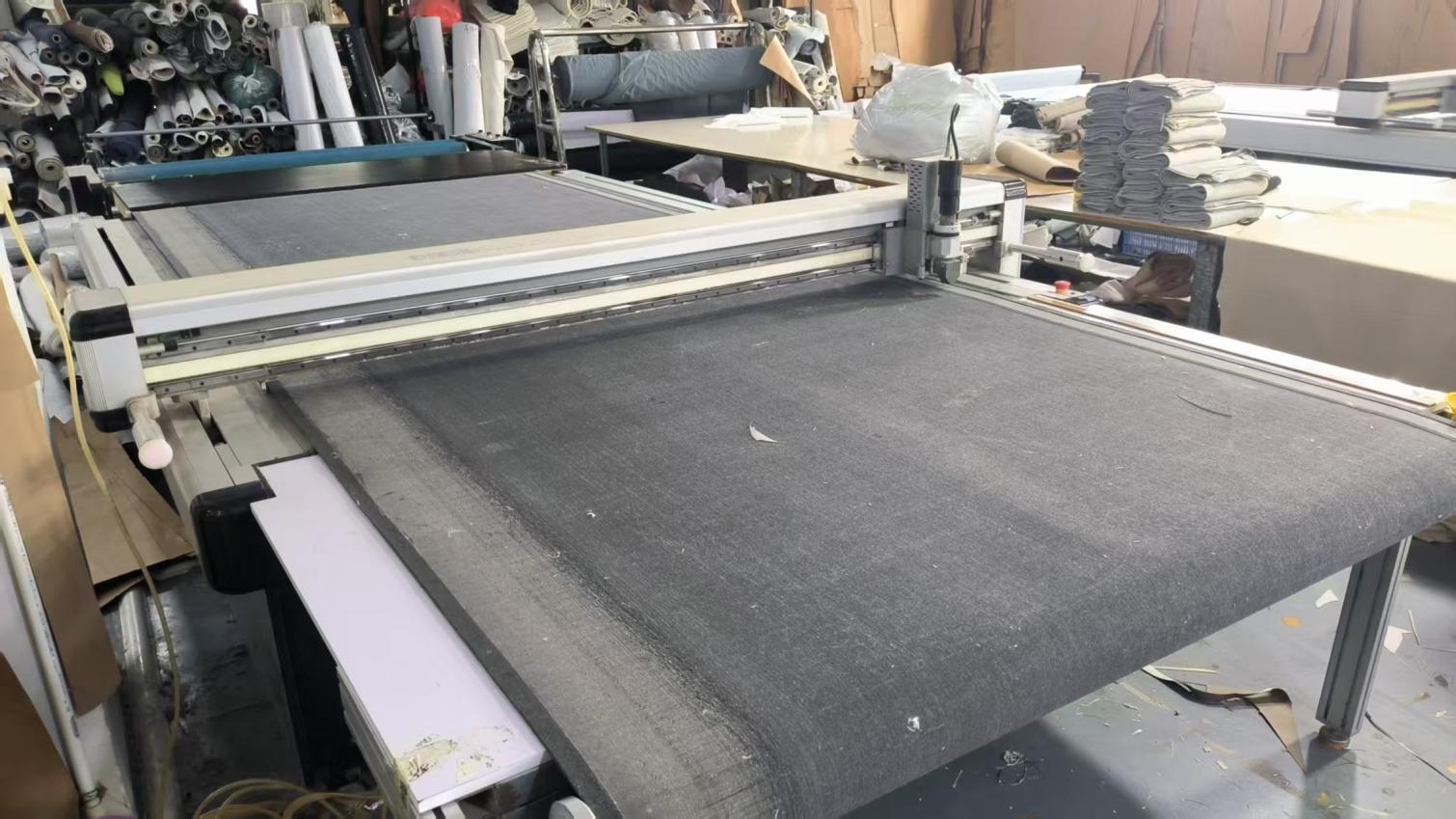 Cutting Machine
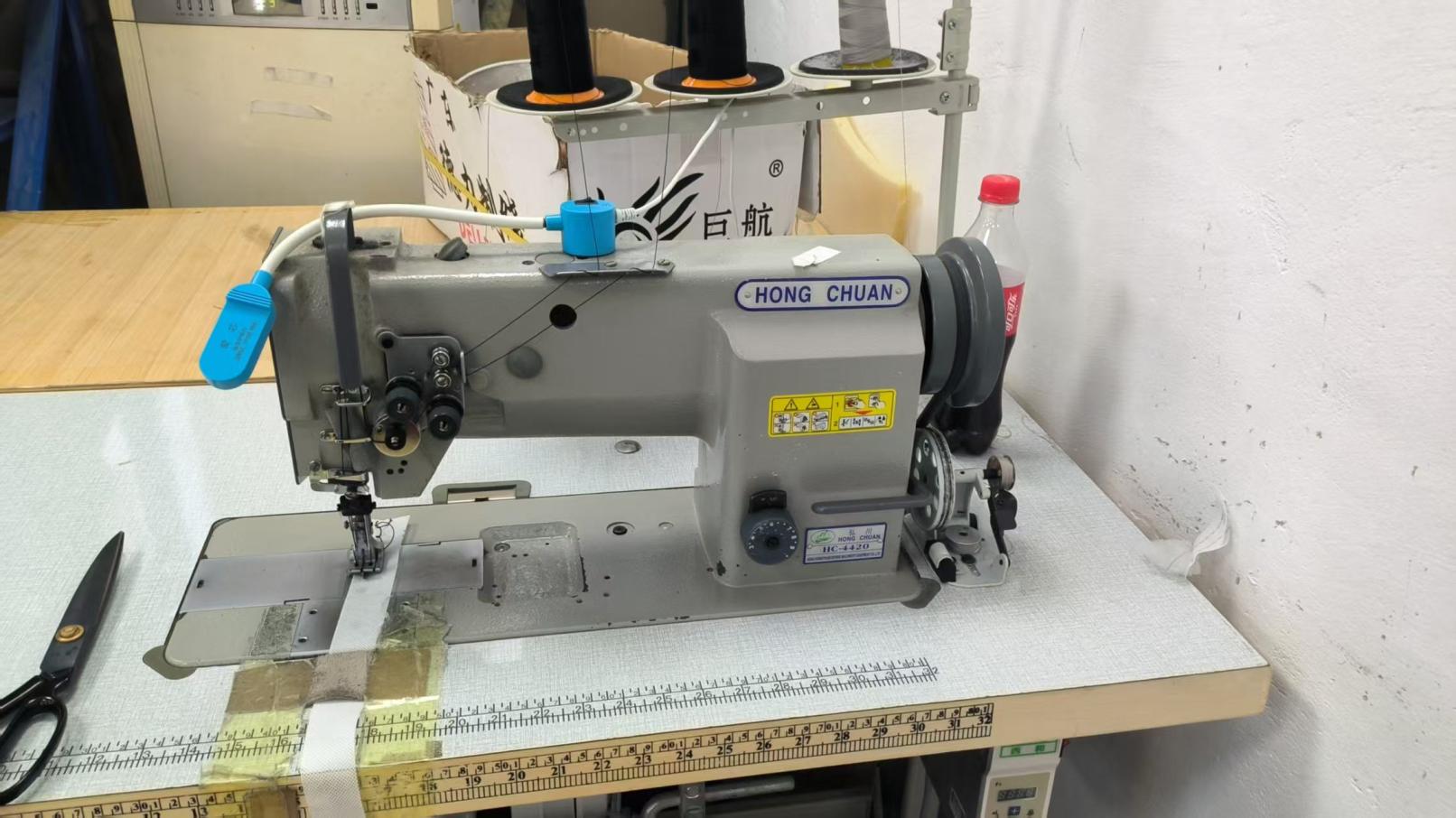 Sewing Machine
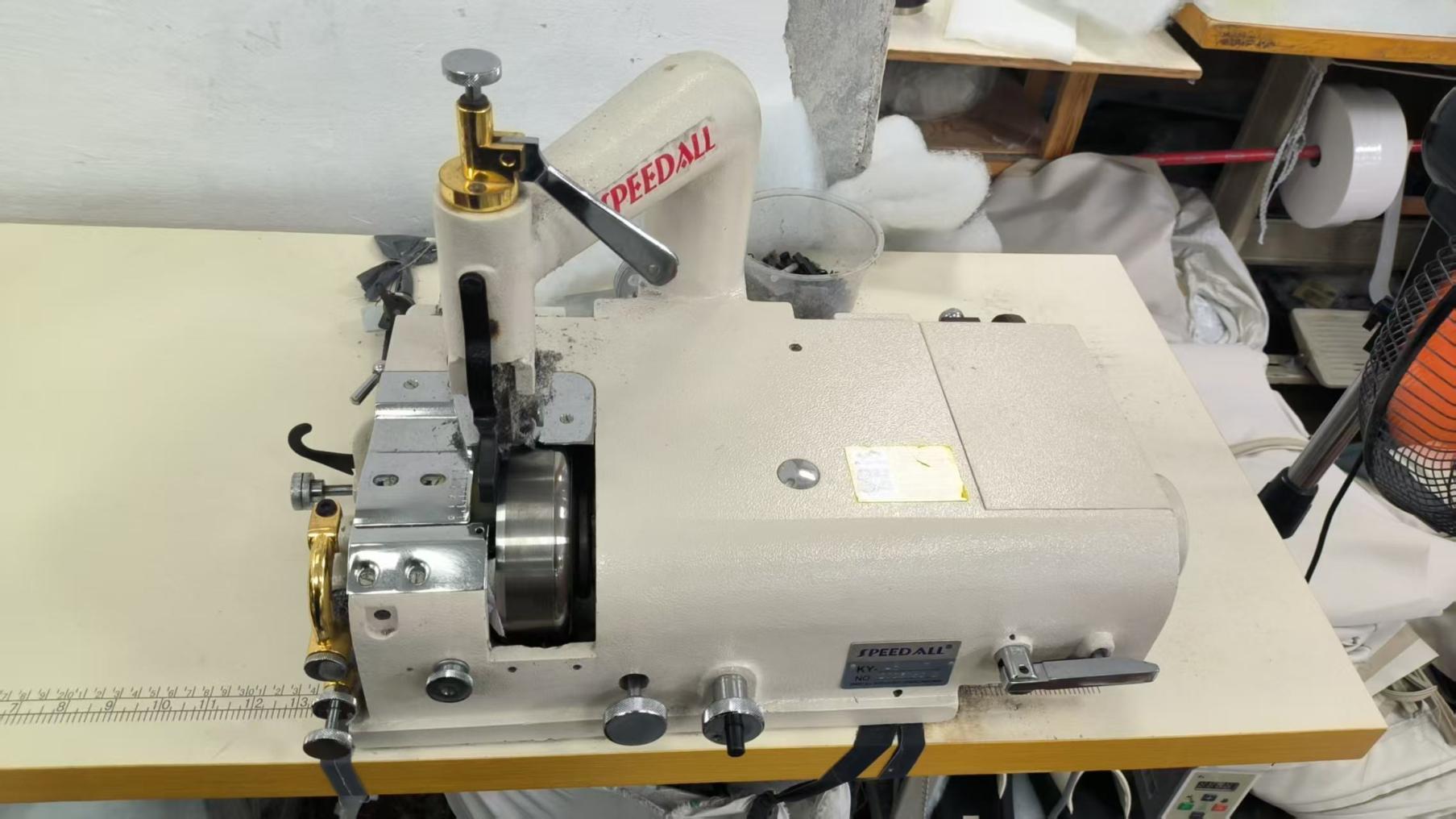 taking Machine
These are the questions global buyers most often ask when moving from a product idea to a sample, quotation, trial order, and repeat wholesale program.
Shunde Hark Homes Co., Ltd. is a professional furniture manufacturer specializing in wooden, metal, and upholstered furniture. With more than 16 years of industry development, the company supports OEM and ODM partnerships for brands, wholesalers, and project clients worldwide. Kids chair programs can be developed around the same material, upholstery, metal fabrication, and quality-control capabilities.
MOQ depends on the chair model, material mix, finish, upholstery, logo, packaging, and whether the item is a standard design or a new OEM/ODM development. A precise specification allows the factory to recommend a practical MOQ. Mixed-model project orders can be discussed when the materials and finishes are compatible.
The applicable standard depends on the age group, destination market, and product design. Common references include EN 1729 for educational furniture sizing, ASTM F2613 for children’s chairs and stools, EN 71-3 for certain material migration concerns, REACH, and CPSIA. A certificate should never replace design validation. Buyers should share the target market and test protocol so the factory can support the correct documentation and sample testing route.
Yes. Customization can cover seat height, depth, back shape, arm options, foot caps, colors, materials, upholstery, logo placement, size markings, and packaging. A daycare, school, hotel, clinic, library, restaurant, and e-commerce channel may each need a different balance of cleanability, stackability, visual identity, and replacement-part support.
Quality control should be staged rather than left to final inspection only. Typical controls include incoming material review, dimension checks, in-process inspection, stability and durability checks, surface finish review, hardware verification, and pre-shipment packing inspection. Photo records and agreed inspection criteria help buyers manage remote projects.
Include the intended age group, use environment, seat height or reference standard, chair dimensions, material, finish, upholstery, color, logo requirement, quantity per model, packaging expectation, destination port or country, target delivery window, and any test standard. If a drawing, reference photo, or sample is available, it will speed up the first quotation and sampling discussion.
Yes. The R&D team tracks global interior design trends and can work from buyer drawings, reference samples, or a functional brief. Private-label packaging may include carton artwork, labels, instruction manuals, hardware bags, and model naming, depending on the order structure and approval process.
Lead time should be confirmed after the sample, BOM, materials, finishes, quantity, and packaging are approved. Export packing, carton dimensions, loading plan, and destination requirements can influence schedule and total landed cost. For multi-site projects, phased deliveries and spare-part planning should be discussed early.
The following eight products complete the factory’s broader project furniture range. Their material and production requirements reflect the same OEM/ODM, quality-control, packing, and export-support capabilities used for wholesale kids chair and commercial seating programs.
 Hark Homes