Explore our highly curated selection of contemporary architectural and residential contract furniture engineered for longevity and international safety compliance.
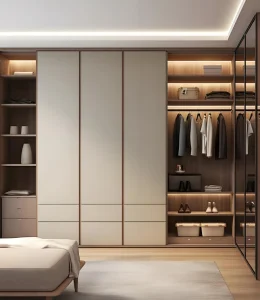
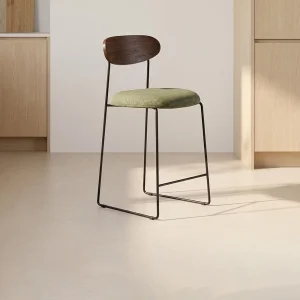
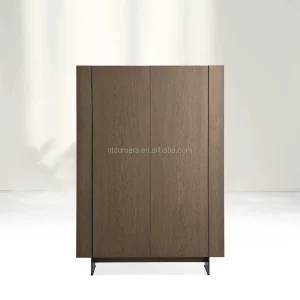
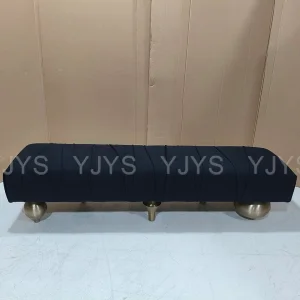
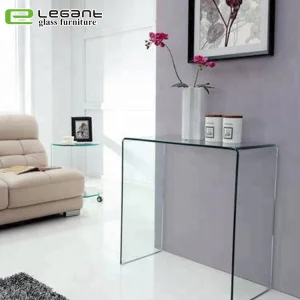
An executive analysis of current design demands, B2B procurement trends, and material requirements in high-traffic transitional zones.
The global furniture procurement sector is witnessing a profound structural shift as hallway tables (commonly categorized as console tables, entryway credenzas, and corridor shelves) transition from purely ancillary ornamental furniture into critical architectural design statements. Today's global buyers—spanning boutique hospitality networks, large-scale commercial real estate developers, and international wholesale distributors—are demanding higher standards of functional versatility, material authenticity, and compliance certificates. What was once a simple landing surface is now tasked with housing smart integration (such as concealed wireless charging hubs and integrated low-voltage LED drivers), showcasing biophilic elements, and serving as the primary design statement of a structure’s interior entryway.
B2B procurement agents are increasingly prioritizing structural resilience and hybrid material integration. Hallway tables endure unique physical stresses: they occupy high-traffic transitional bottlenecks where they are prone to impact from luggage, dynamic thermal shifts due to proximity to entrance doors, and exposure to humidity. Consequently, specifications for commercial-grade hallway tables have evolved. Modern purchase orders demand high-strength structural metal subframes (such as 304/316 grade stainless steel or powder-coated structural carbon steel) paired with scratch-resistant, non-porous surfaces like tempered glass, sintered stone, and premium solid hardwood with specialized UV-cured anti-scratch coatings.
Additionally, regulatory compliance plays a central role. Exporters targeting European and North American markets must strictly adhere to CARB Phase 2, EPA TSCA Title VI, and FSC certifications. Manufacturers who cannot provide verified testing reports for formaldehyde emissions, fire-retardant structural foams, and sustainable lumber harvesting are rapidly being phased out of high-end contract bid registries.
Analyzing the custom manufacturing mechanics that position Shunde Hark Homes Co., Ltd. at the forefront of the global B2B furniture supply chain.
Located in the heart of China’s premier furniture manufacturing capital, Shunde Hark Homes Co., Ltd. stands as a benchmark of industrial maturity and technical stability. Over more than 16 years of strategic expansion, the firm has transformed from a localized production shop into a highly integrated OEM/ODM power hub. They cater directly to international design firms, contract hospitality procurement agencies, and volume-driven wholesalers who require bespoke manufacturing pipelines without quality variance.
At the core of Shunde Hark Homes' competitive advantage is its highly skilled production and engineering team. The core technical staff boast over 15 years of hands-on custom fabrication experience, while the overall workshop team averages more than 7 years of specialized tenure. In the contract furniture industry, where complex CAD layouts must translate perfectly to production, this depth of experience is vital. The engineering team can anticipate structural vulnerabilities, material incompatibility issues (such as different thermal expansion rates between steel subframes and marble tops), and potential packaging weak spots during the initial product prototyping phase. This proactive design-for-manufacturing (DFM) approach saves international buyers thousands of dollars in tooling modifications and post-shipment claims.
Unlike specialized single-material factories, Shunde Hark Homes operates a multi-material facility capable of integrating a wide variety of high-performance components:
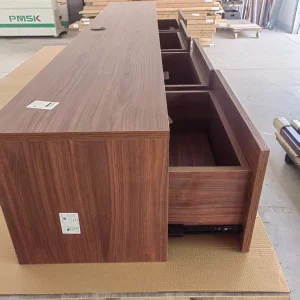
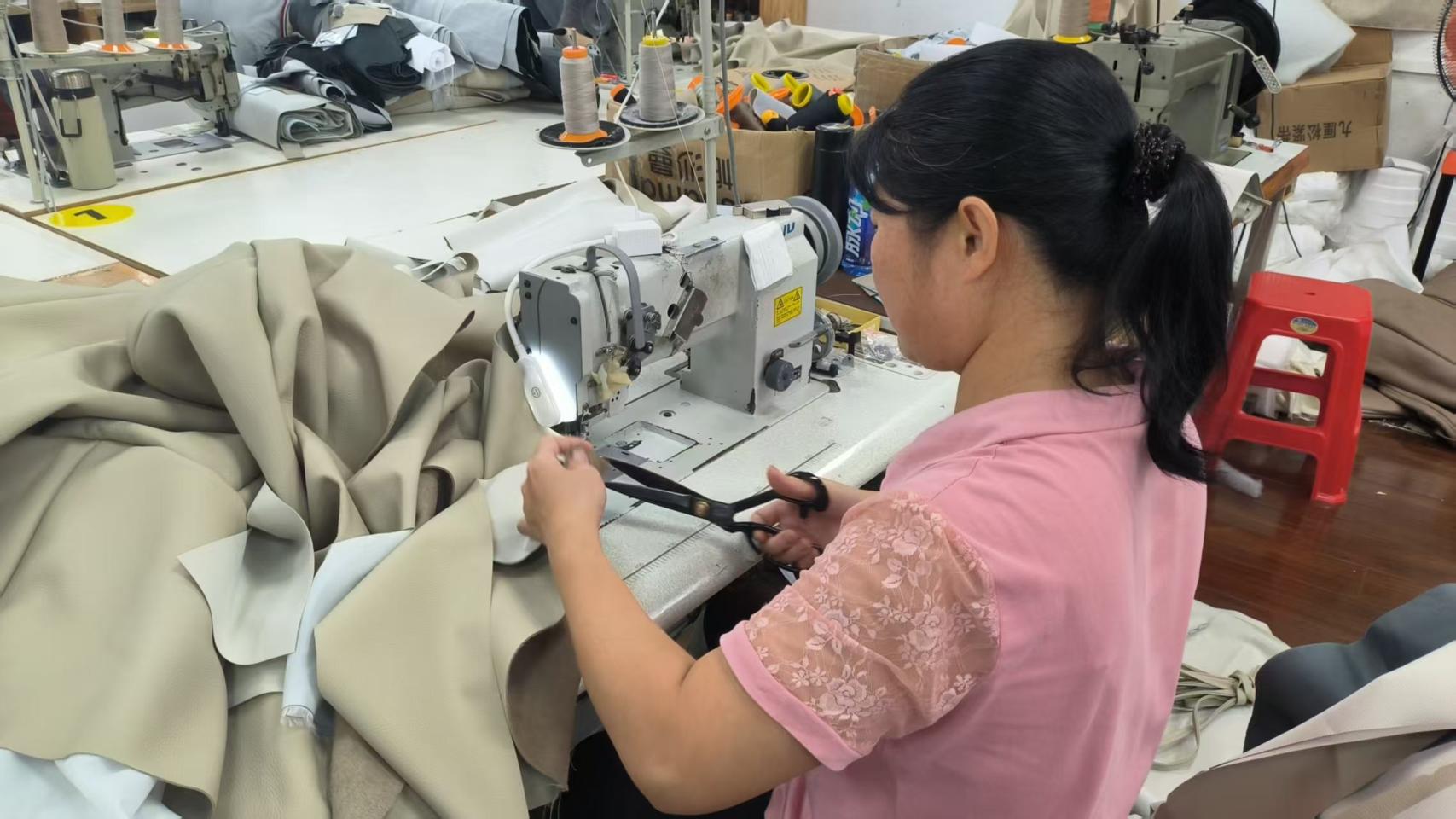
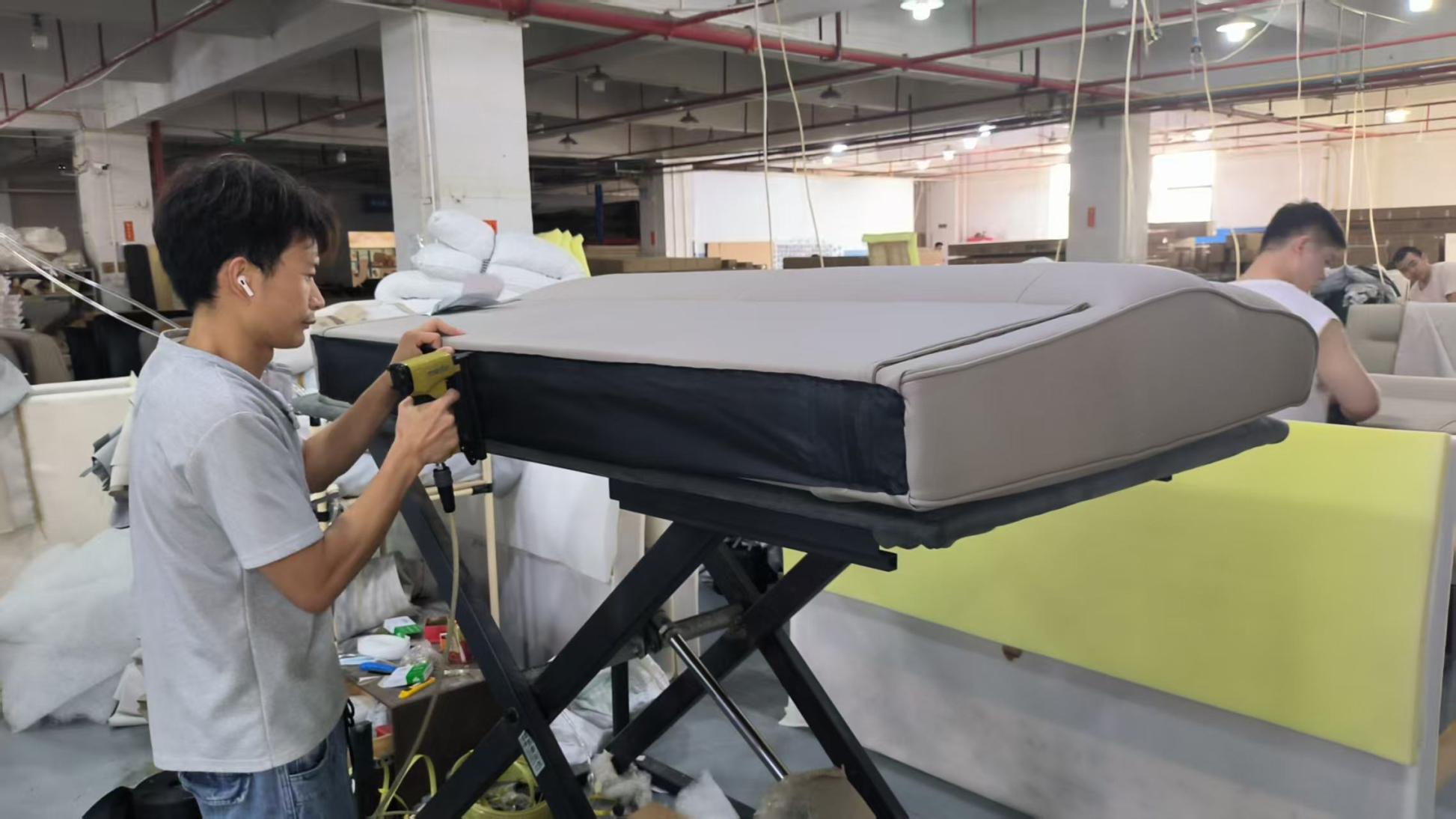
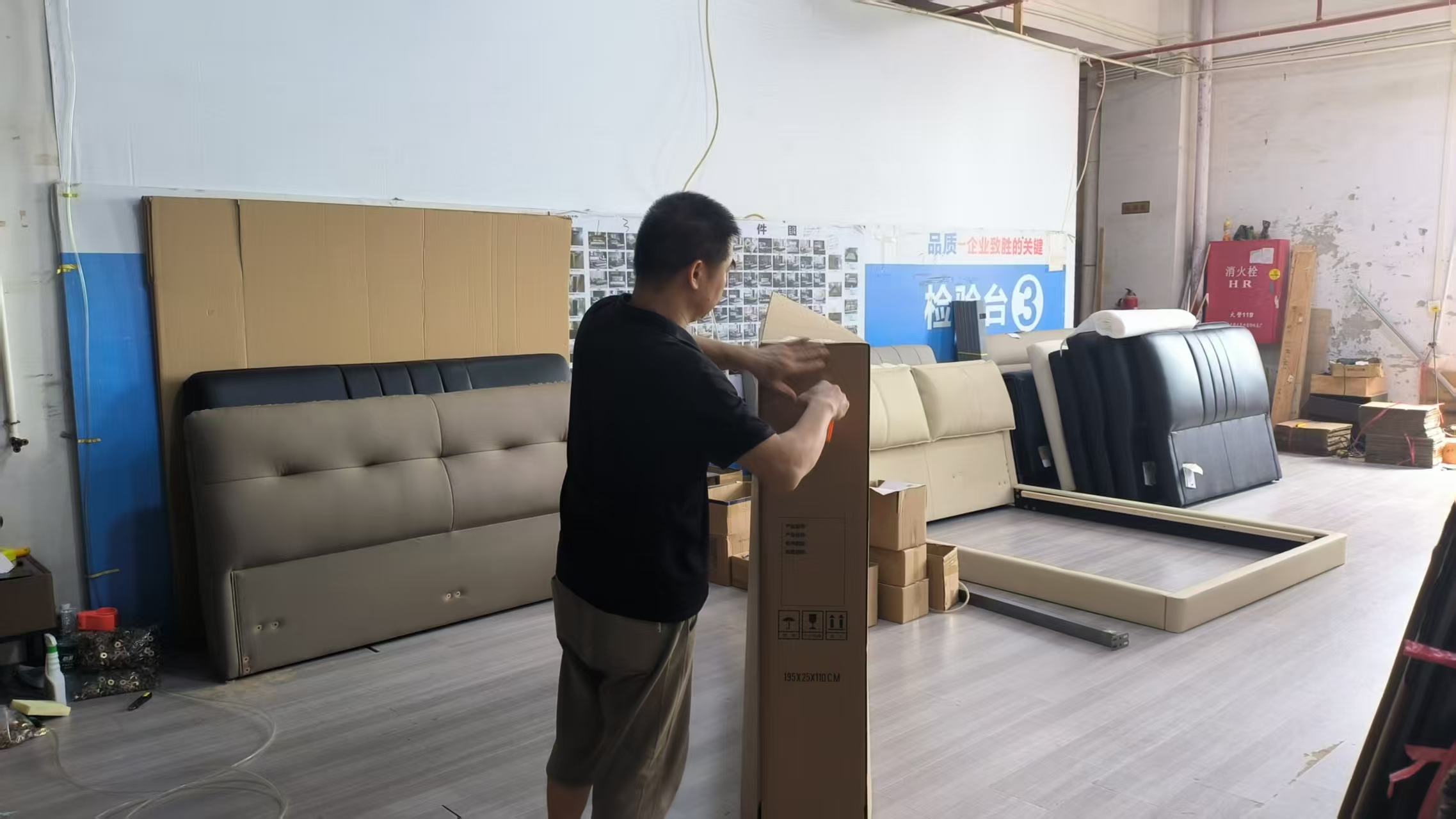
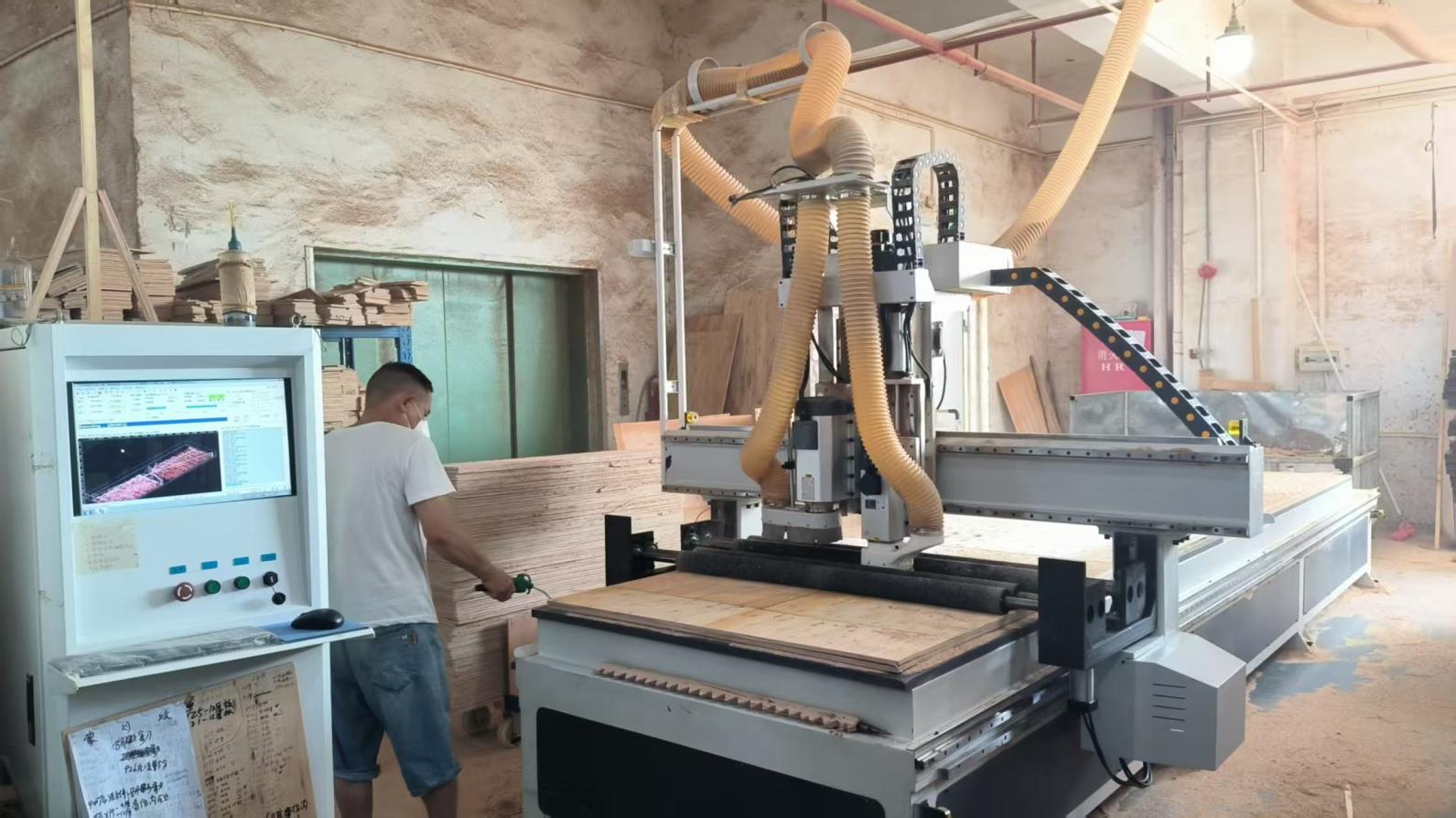
A transparent look inside our Shunde production facilities, showcasing the equipment, precision cutting, and packaging phases that guarantee delivery precision.
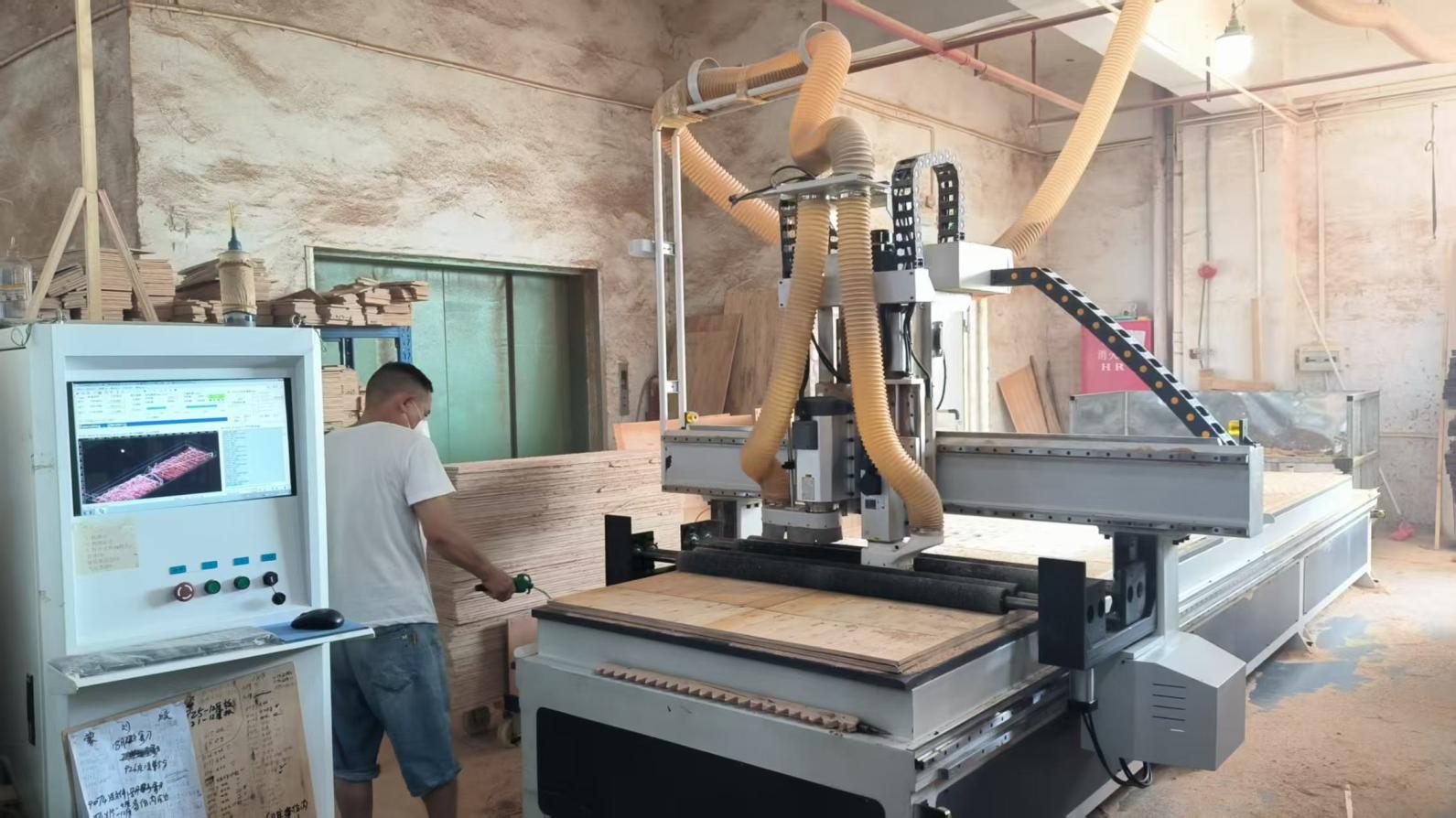
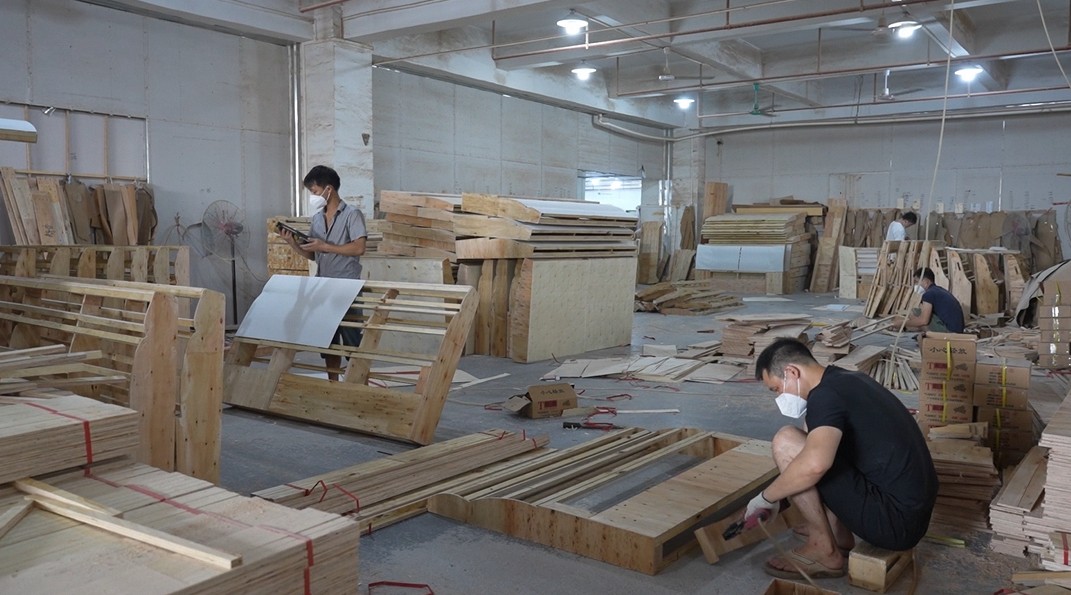
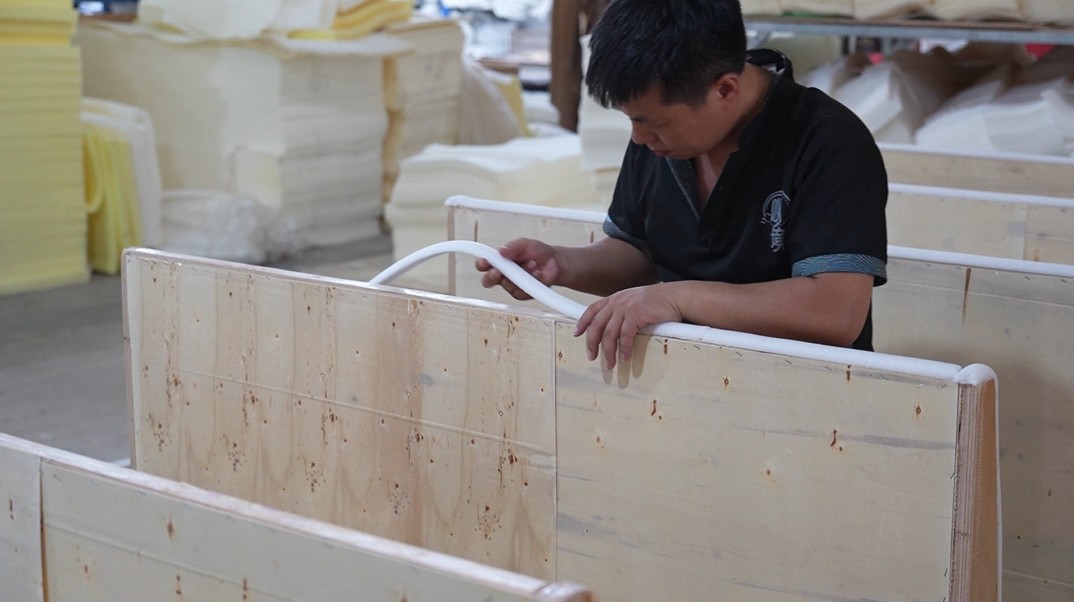
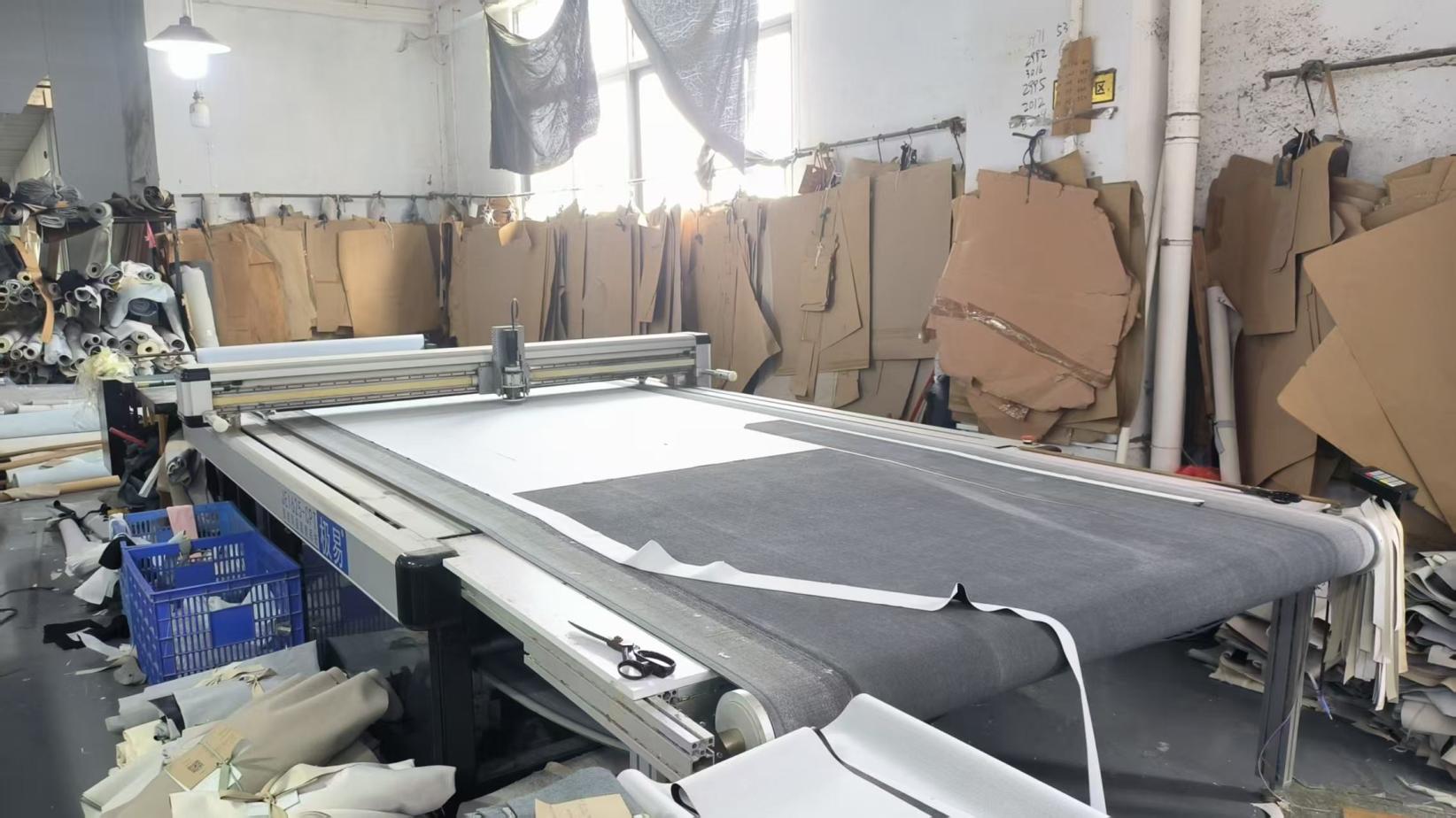
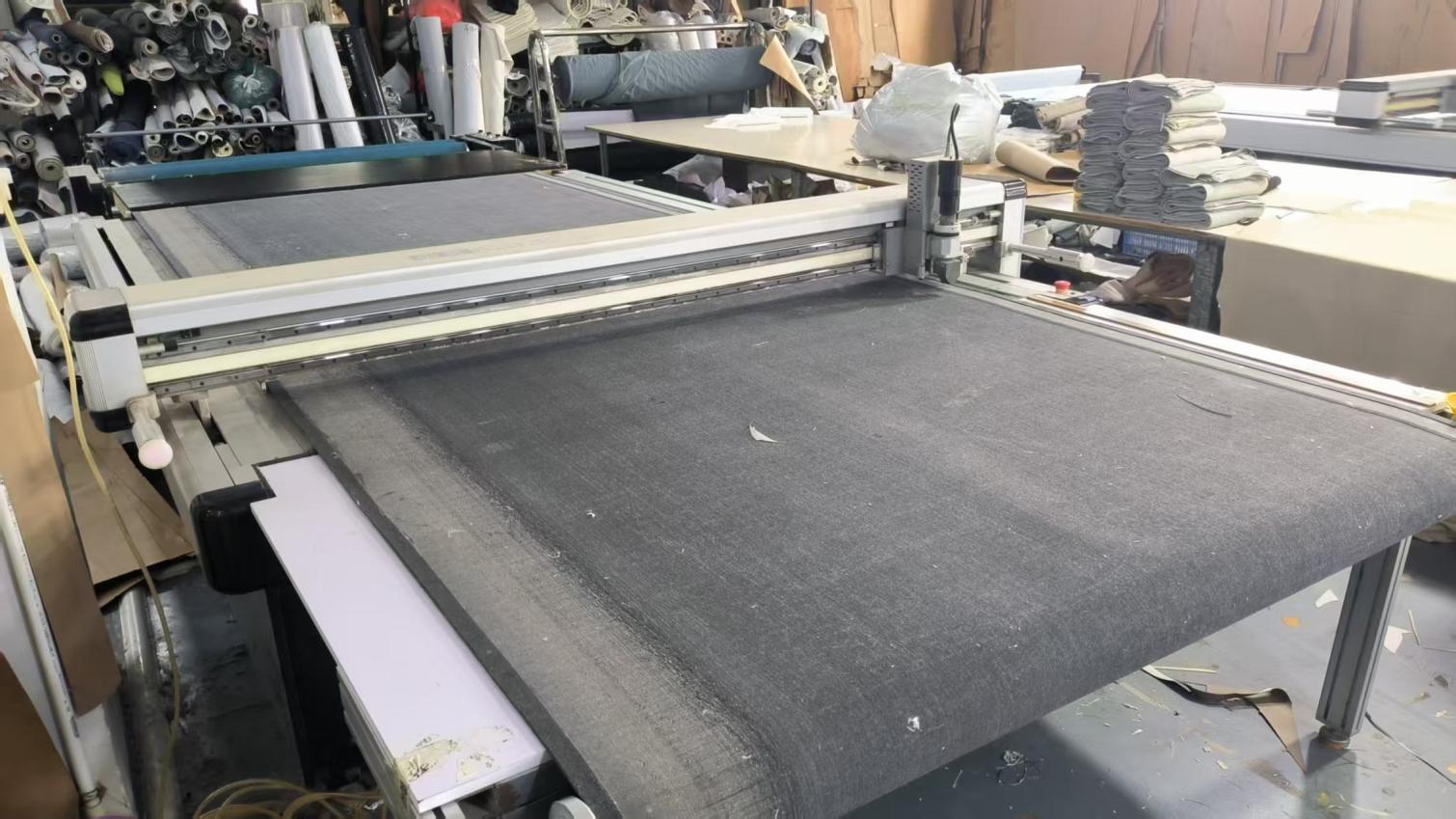
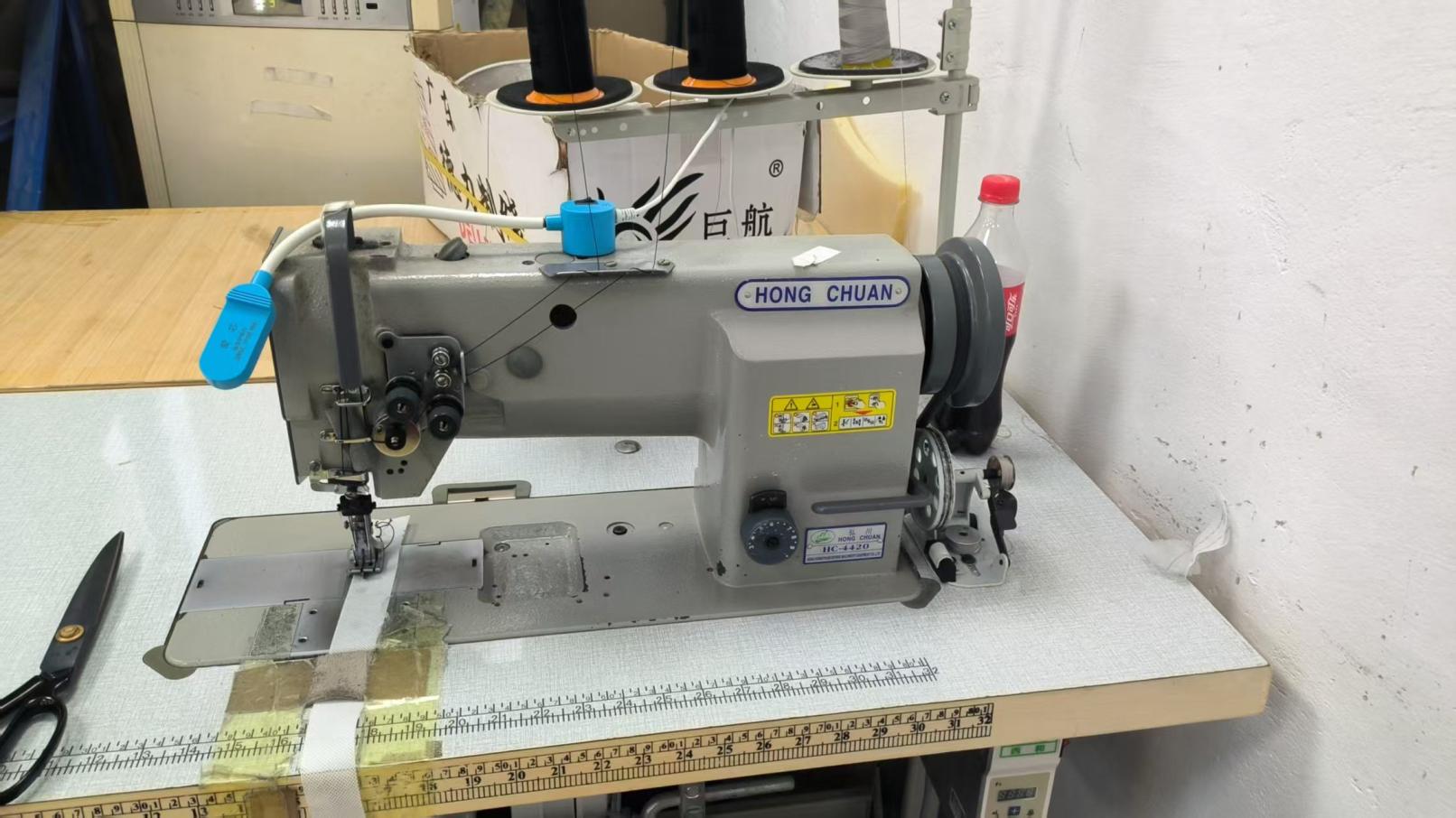
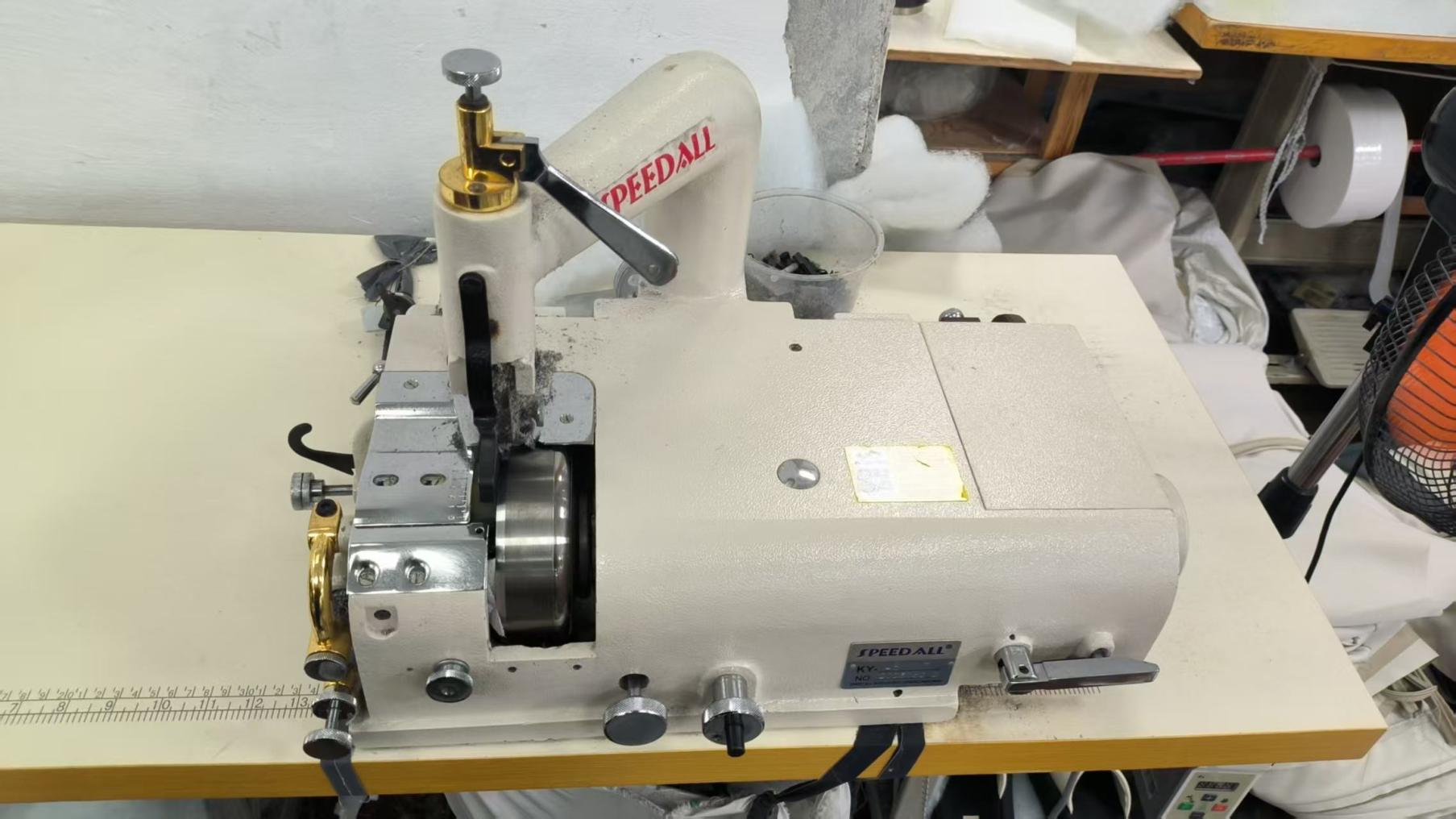
How our engineering department adapts product profiles to meet distinct regional standards, spatial constraints, and architectural norms.
Different markets present distinct spatial, stylistic, and technical demands. Shunde Hark Homes works with global design partners to tailor console solutions to specific target locations:
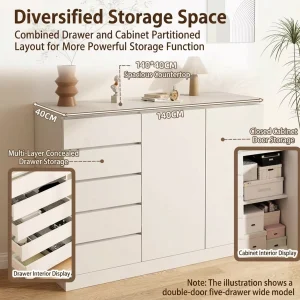
In the North American market, particularly for single-family residences, hallway tables must be robust, grand, and feature integrated storage. Preferred sizes typically exceed 150 cm in width. Key features include integrated electrical outlets (USB-A, USB-C, and traditional AC connections), deep drawer storage for keys and mail, and rustic or clean transitional finishes. These tables are often crafted from solid wood or thick engineered veneers to convey warmth and permanence.
European design priorities focus heavily on spatial efficiency and biophilic design. Urban micro-apartments in Paris, London, and Berlin require compact hallway tables with shallow depths (often under 30 cm) and wall-mounted floating configurations to maximize floor space. Steel structures, thin ceramics, and E0-grade lightweight plywood substrates with matte lacquers are preferred. These configurations must meet strict local recycling and chemical emission standards.
For high-traffic hotel lobbies, executive offices, and luxury villas in the Gulf region, hallway and console tables must double as central artistic elements. Sourcing requests emphasize natural marble, mirror-polished PVD gold plating, crystal glass, and custom back-lit panels. These tables are constructed to contract-grade standards, meaning they are built to withstand significant weight and heavy cleaning without losing their luster.
Direct answers to questions regarding compliance, MOQ, engineering capabilities, and shipping protocols.
Browse our second group of precision-crafted furniture solutions designed to elevate spatial function and aesthetic values across global projects.
 Hark Homes