Direct from the core production hub, exhibiting precision craftsmanship, space optimization, and structural durability.
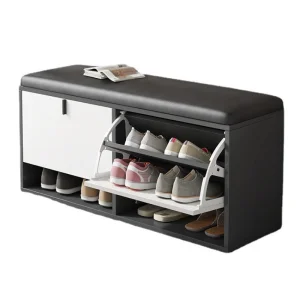
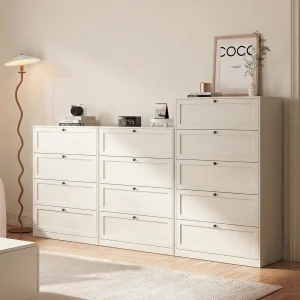
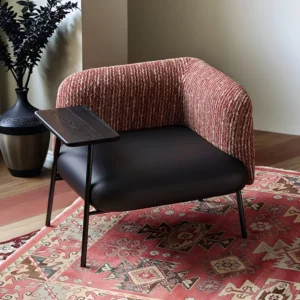
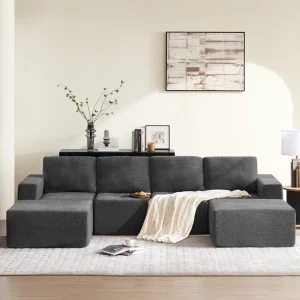
Analyzing shifting spatial economics, ergonomics, and material innovations driving the global compact sofa market.
Historically, the loveseat served as a niche luxury seating option designed primarily for intimate conversations or narrow parlors. Today, however, the global furniture industry has witnessed a monumental pivot in the design philosophy and commercial deployment of loveseats. Driven by rapid urbanization, soaring residential square-footage costs, and the rise of boutique hospitality models, the demand for high-quality, dual-passenger seating has escalated dramatically.
Modern commercial architectures—ranging from high-end corporate lounges and co-working environments to premium hotel suites and mixed-use apartments—require space-efficient solutions that do not compromise on ergonomic structural support or aesthetic prestige. Designers are increasingly looking to loveseat manufacturers for pieces featuring sleek geometric profiles, high-performance fabrics, and integrated technical functionalities (such as modular component expansion, hidden storage, or under-frame wire management).
Maximizing utility per square meter in premium commercial spaces, hotel lobbies, and urban micro-apartments without sacrificing comfort.
Engineered to withstand heavy traffic using commercial-grade fabrics rated above 50,000 double rubs, and solid kiln-dried wood frames.
Adherence to global VOC emission levels, FSC-certified timber, and flame retardant standards including CAL 117 and BS 5852.
Furthermore, in the post-pandemic commercial workspace landscape, the definition of the corporate office has transitioned toward "residentialized" corporate interiors. High-density open layouts are offset by acoustic breakout hubs. The inclusion of premium, high-density upholstered loveseats within these breakout zones facilitates organic collaboration. Consequently, global procurement teams are shifting focus from simple residential retailers to industrial-scale loveseat factories capable of proving structural load metrics (ANSI/BIFMA x5.4) and delivering batch consistency.
Analyzing key structural, material, and logistical indicators to mitigate cross-border supply chain risks.
For B2B procurement directors, sourcing agents, and commercial wholesalers, navigating the global landscape of loveseat manufacturers involves evaluating more than just unit cost. A robust procurement strategy must evaluate supplier competencies across five core dimensions: structural engineering, raw material chain of custody, packaging density, chemical certification compliance, and supply chain adaptability.
To support high-frequency commercial use, the inner framing must feature double-doweled joints reinforced with corner blocks and heavy-duty steel connector plates. Low-quality manufacturers often substitute hardwood frames with green timber or low-grade particle boards, resulting in structural failure within 12 months. Reputable factories, such as Shunde Hark Homes Co., Ltd., maintain rigid internal kiln-drying protocols, ensuring all structural timber is stabilized between 8% to 12% moisture content to prevent warping under varying climate conditions.
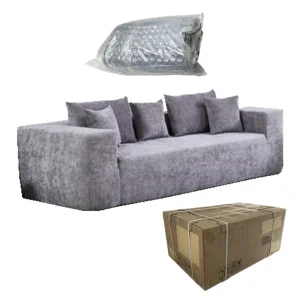
From a logistical standpoint, the global shipping crisis has highlighted the value of smart packaging design. Flat-pack, KD (Knocked-Down), and vacuum-compressed modular designs allow companies to maximize container utilization. By engineering a loveseat to pack down efficiently, exporters can effectively double the quantity of units per 40HQ container, lowering per-unit freight costs by up to 50%.
How automation, geographical localization, and raw material access sustain China's global manufacturing leadership.
While global furniture manufacturing is diversifying, the Shunde district of Foshan in Guangdong, China, remains a highly competitive manufacturing ecosystem. The region's efficiency is anchored in its comprehensive industrial integration. Within a 50-kilometer radius, factories have direct access to automated wood processing machinery, high-precision textile mills, specialized hardware makers, and state-of-the-art testing facilities.
Under the Industry 4.0 framework, modern Chinese factories utilize computer-aided nesting software to optimize fabric cutting, minimizing waste by up to 18%. Automated CNC routers cut solid wood components with tolerances of less than 0.2mm, ensuring consistent quality across batches. In parallel, advanced sewing setups and automated pneumatic tensioning rigs ensure that leather and fabric upholstery remain tight, preventing wrinkles and keeping seams aligned across thousands of production runs.
An inside look at our production floor, showcasing the engineering, machinery, and craftsmanship that define our products.
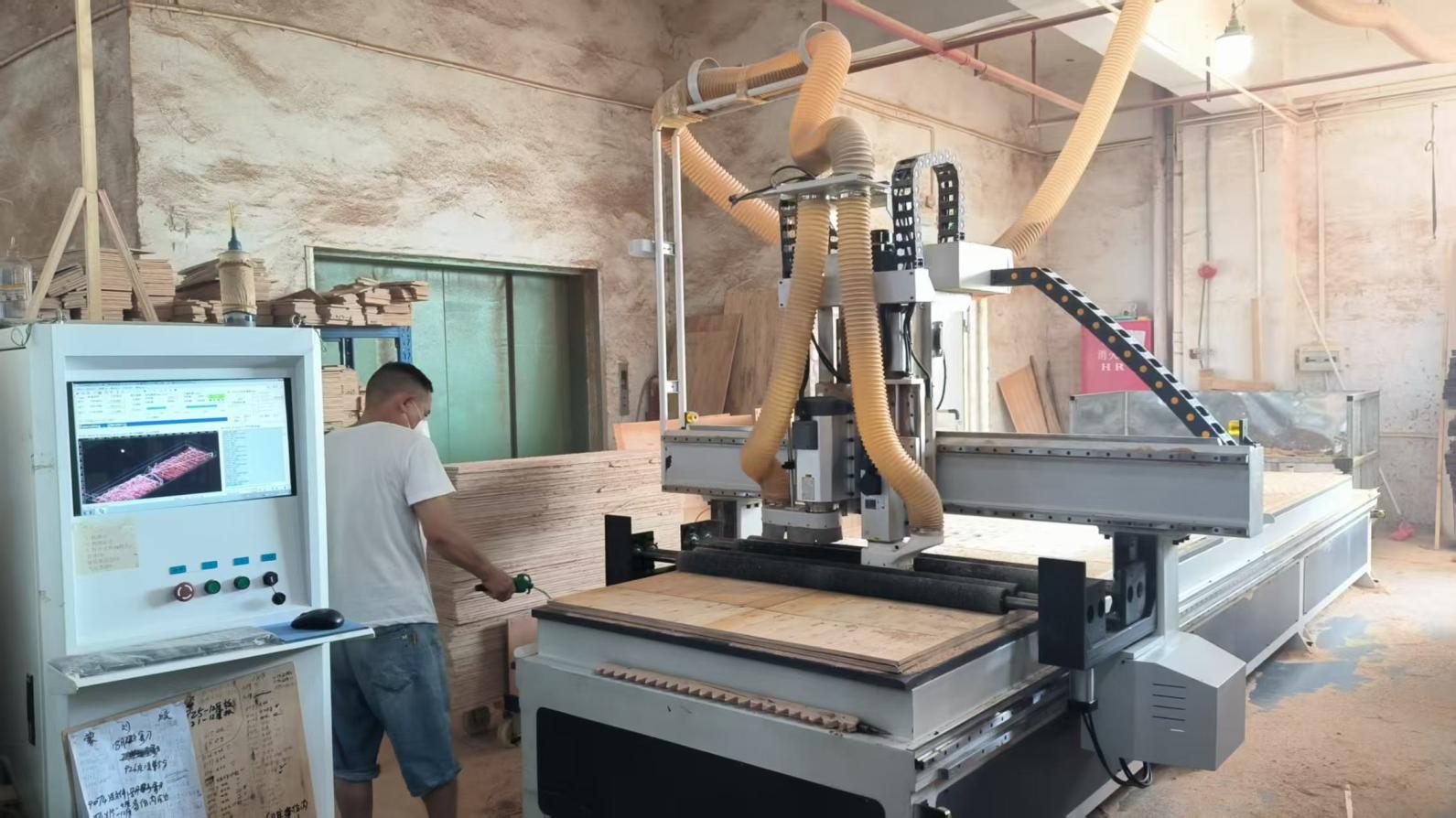
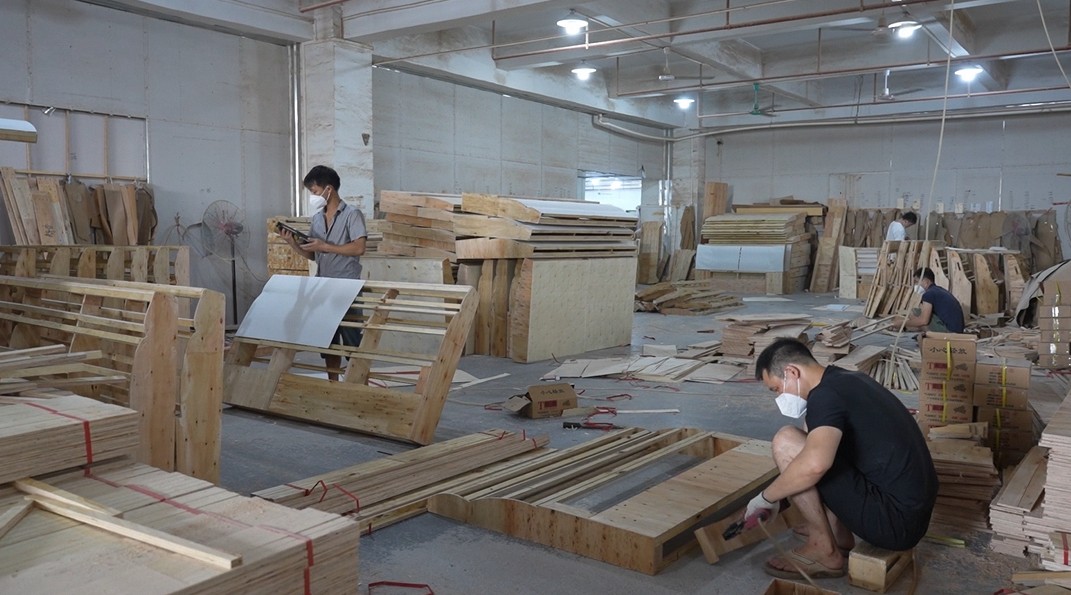
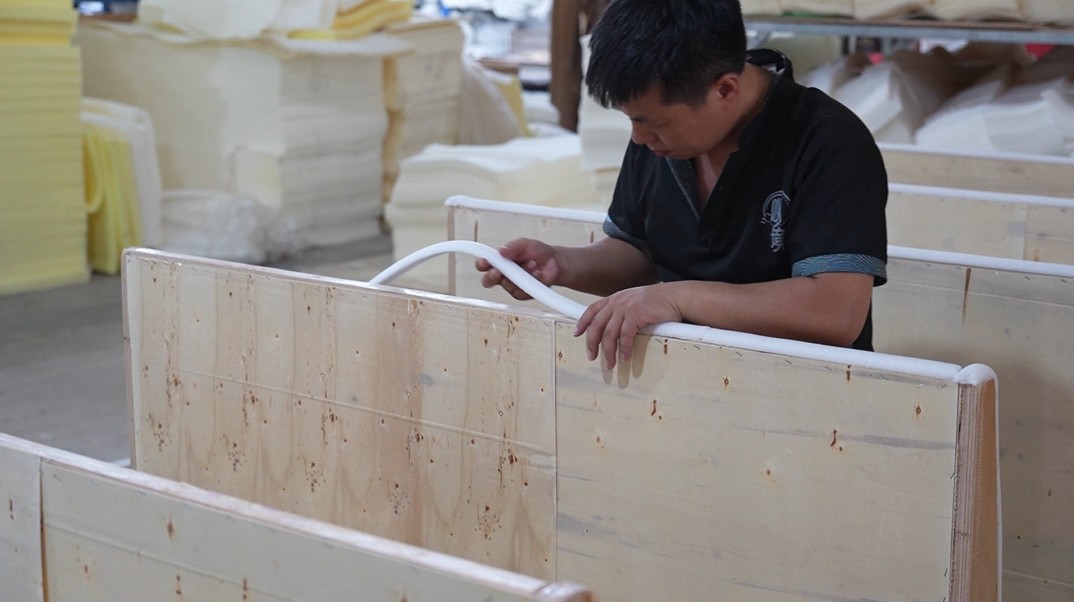
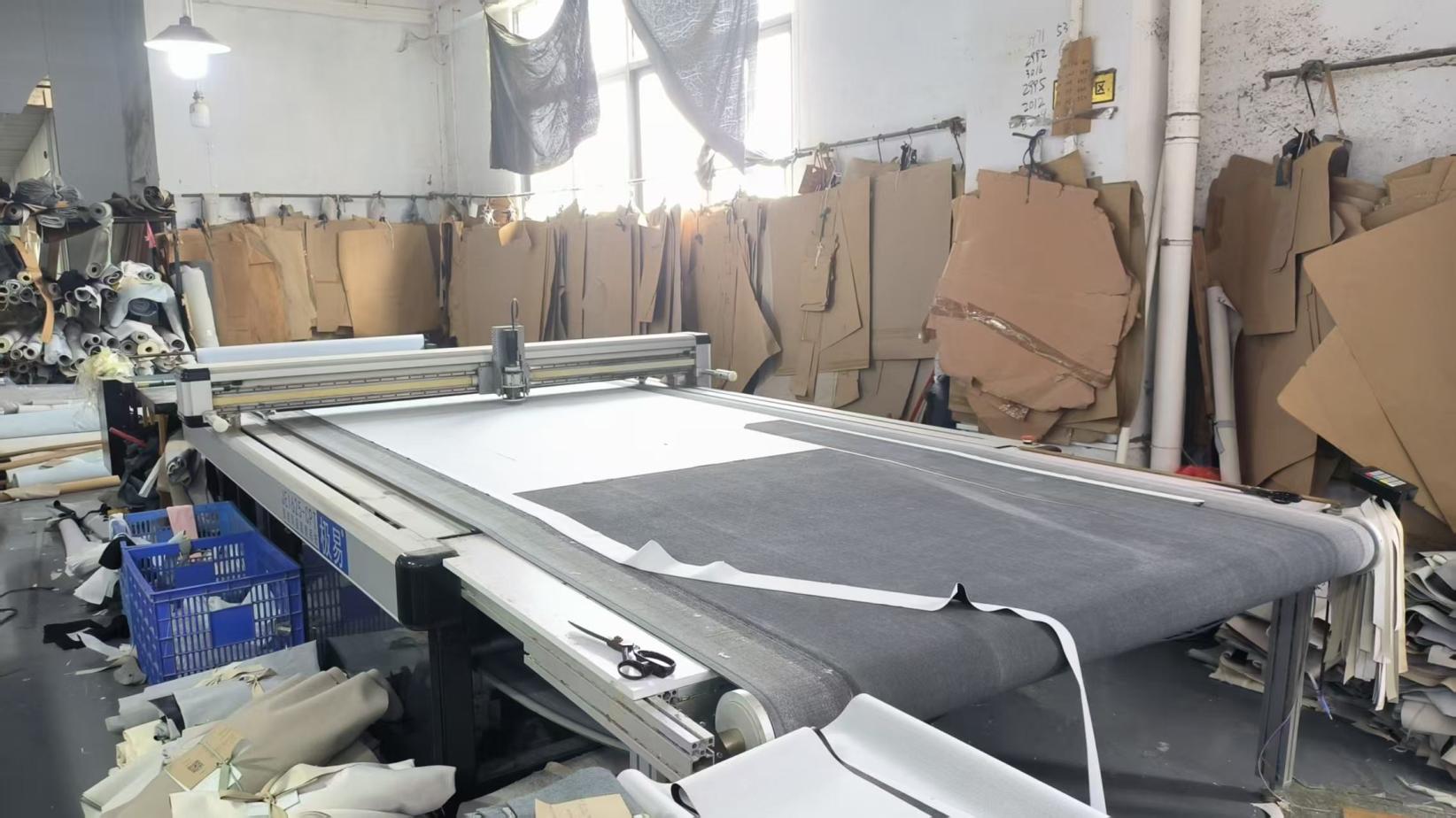
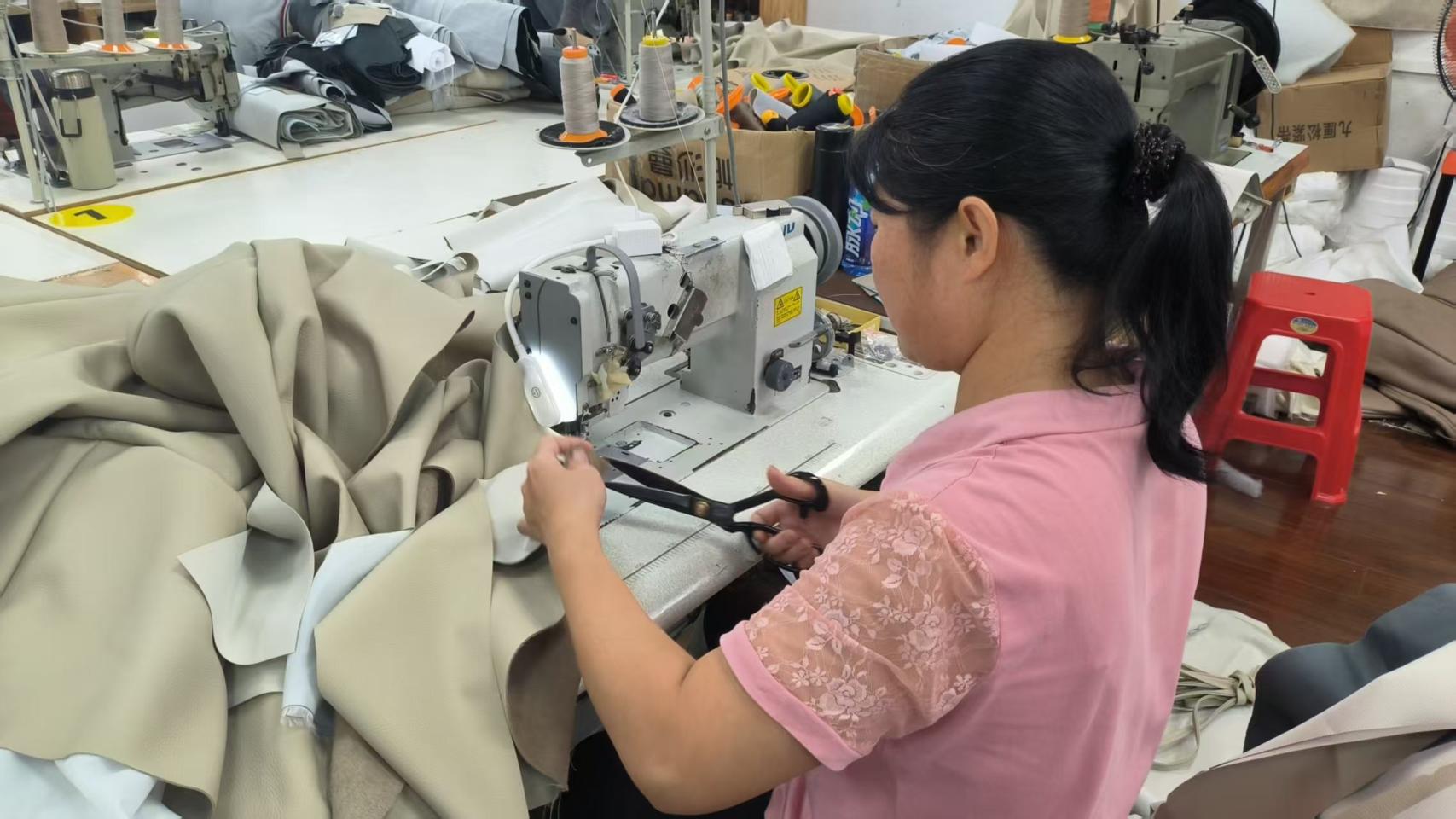
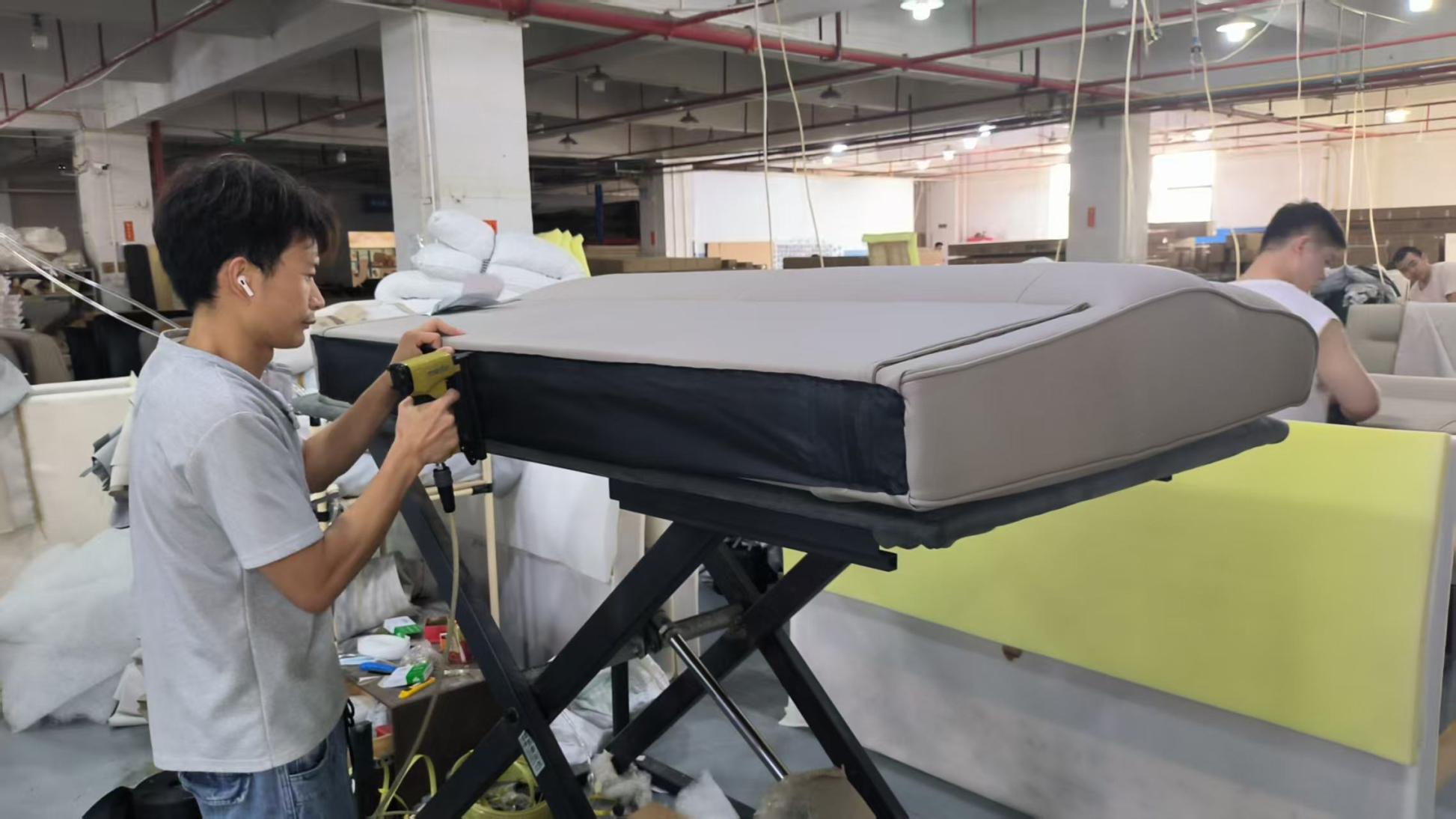
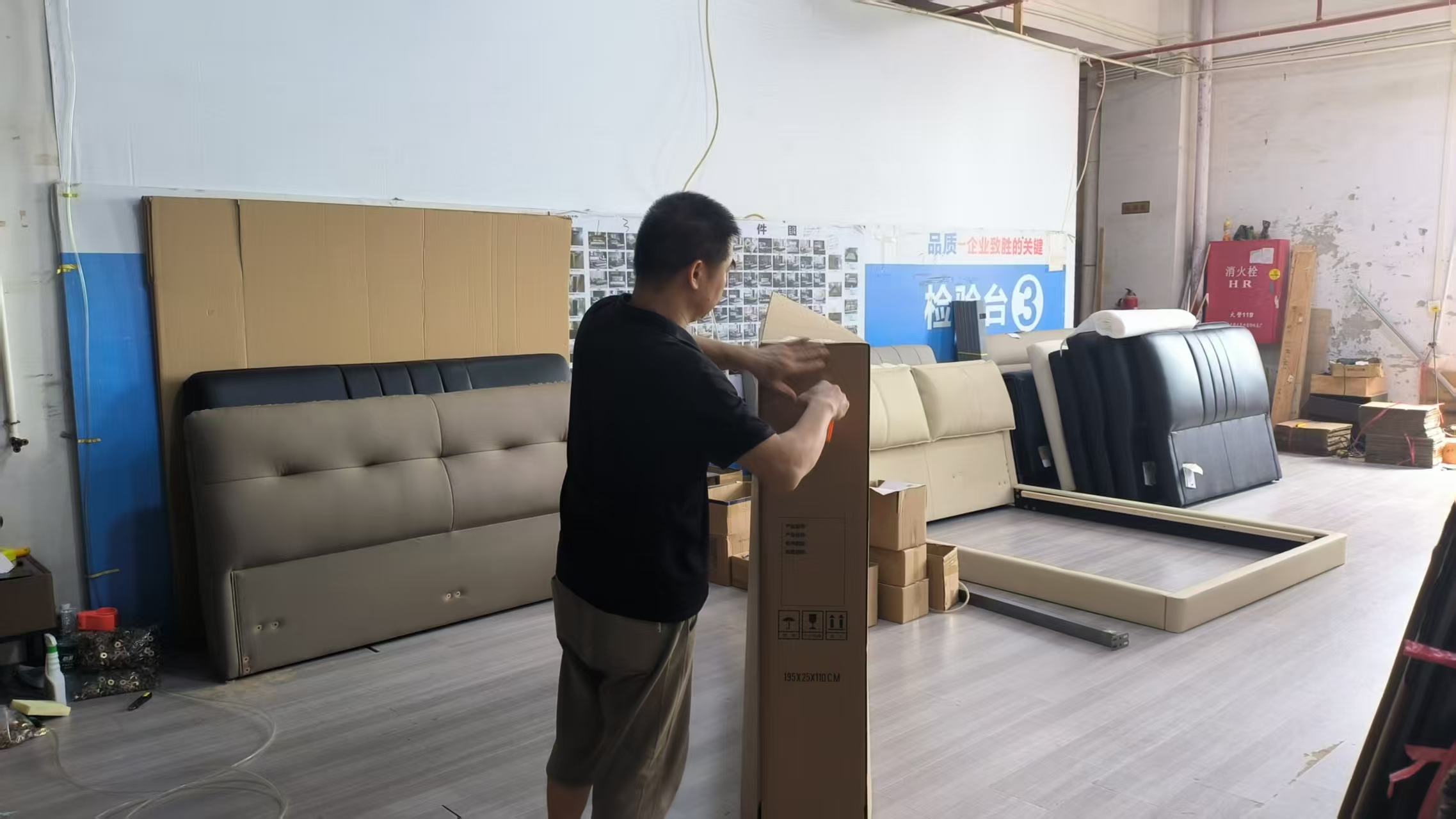
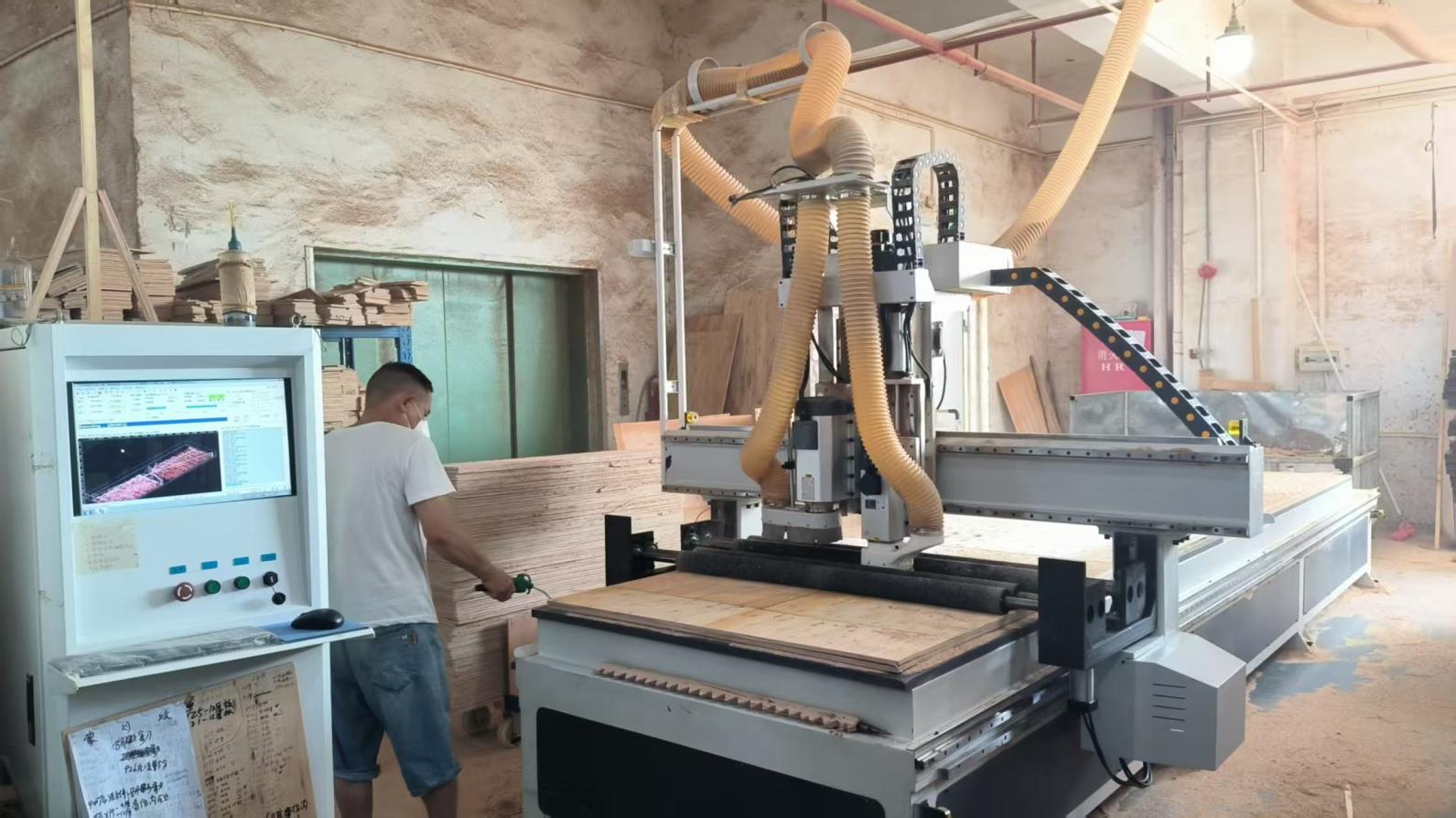
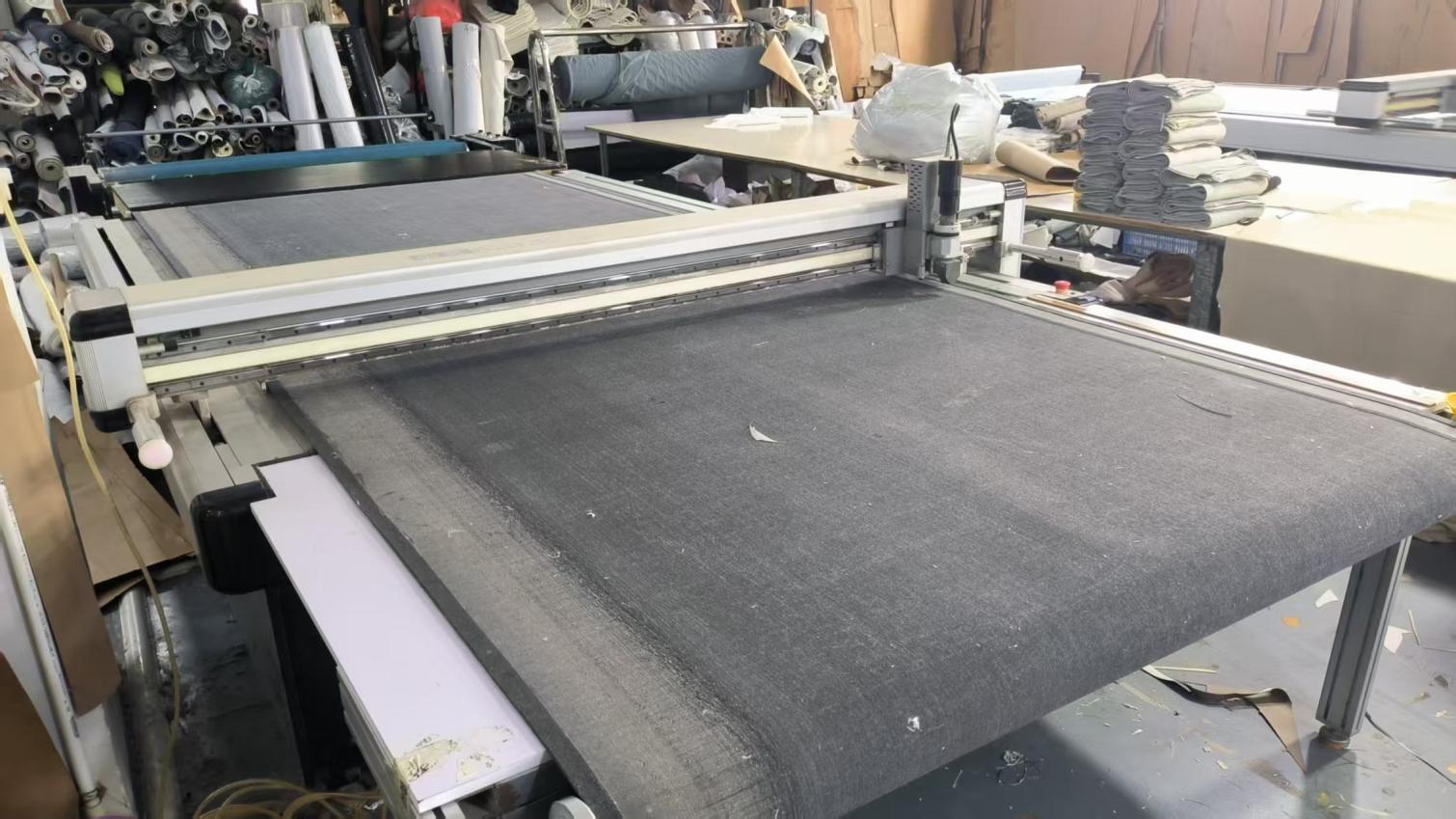
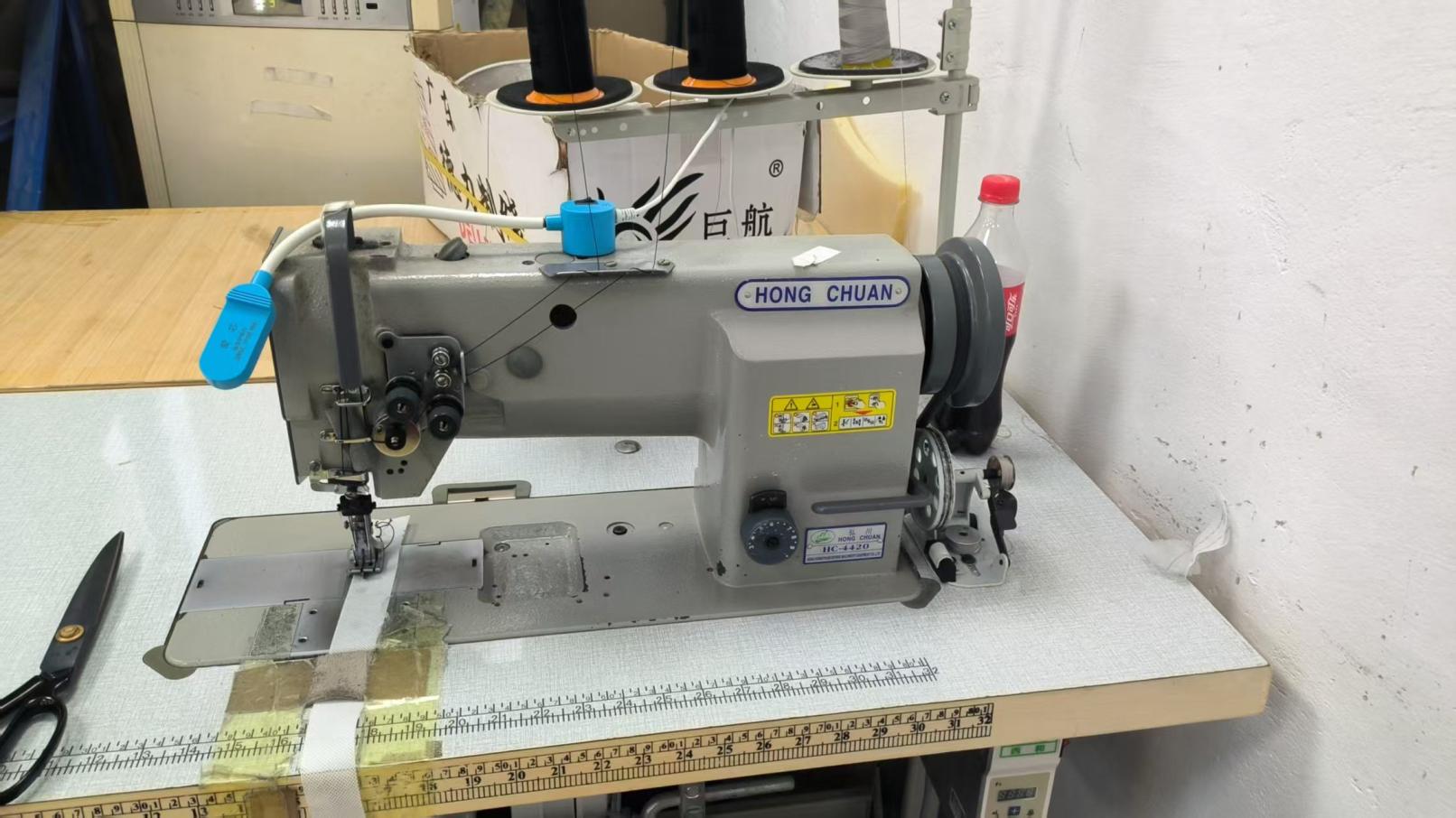
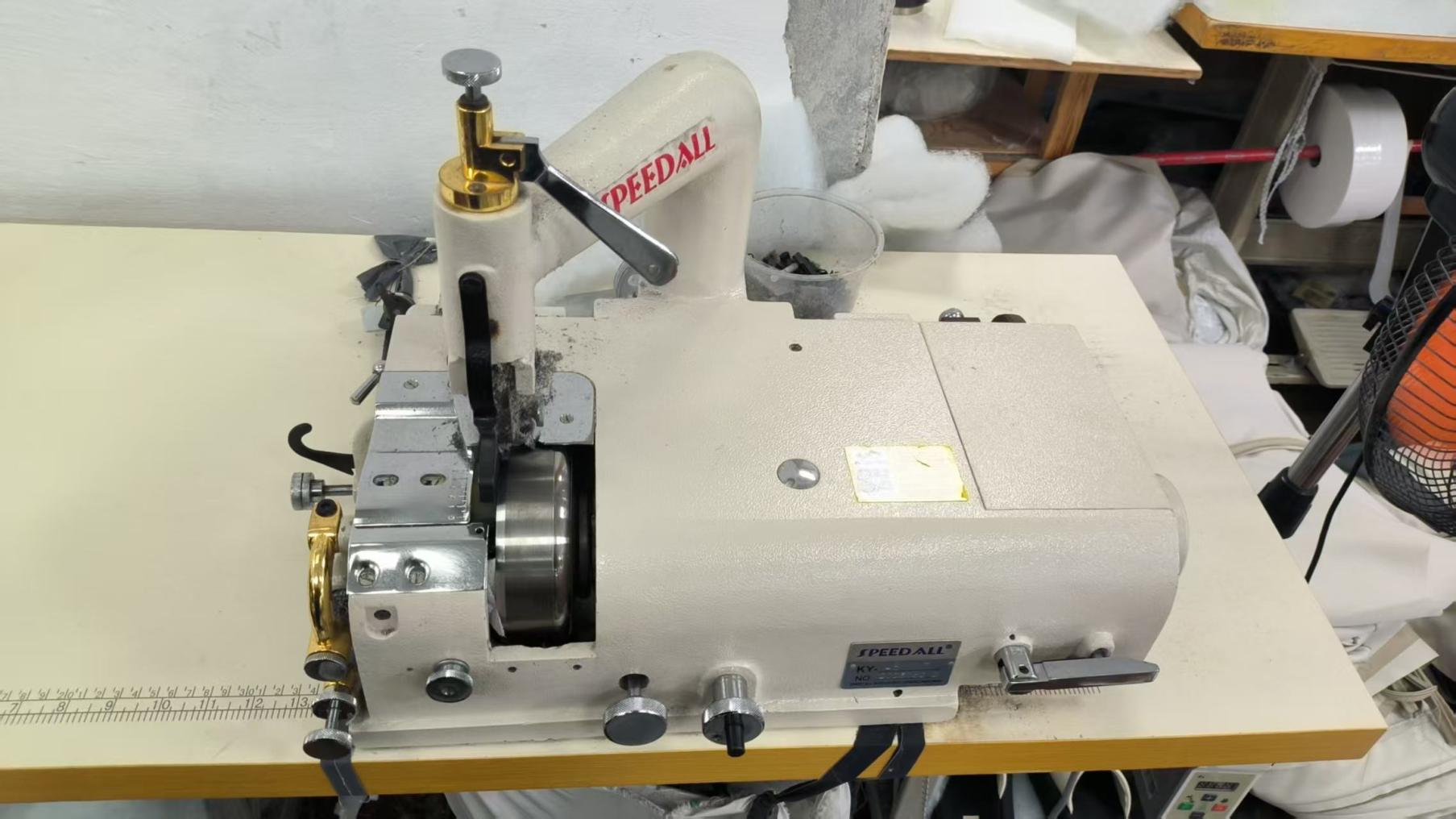
Integrating technical expertise, strong manufacturing capabilities, and strategic partnership support.
Shunde Hark Homes Co., Ltd. is a professional furniture manufacturer specializing in the production of high-quality wooden, metal, and upholstered furniture. With over 16 years of industry development, we have built strong manufacturing capabilities and established long-term OEM and ODM partnerships with furniture brands, wholesalers, and project clients worldwide.
Our company is supported by a highly skilled production team, with core technical staff bringing more than 15 years of hands-on manufacturing experience. On average, our workshop team members have over 7 years of industry experience. This strong technical foundation allows us to effectively anticipate structural, material, and production challenges during product development and customization, ensuring stable quality and a smooth customer experience from design to delivery.
We operate a highly efficient supply chain system combined with optimized production planning and lean manufacturing practices. This allows us to maintain strict quality standards while effectively controlling production costs. By balancing quality and affordability, we help our partners enhance their market competitiveness and profitability.
Natural solid wood, engineered board, marble, tempered glass, high-grade fabrics, and genuine or eco-leather.
Continuous monitoring of global interior design trends to introduce updated, modern residential & hospitality lines.
Dedicated to helping clients succeed in competitive global markets through reliable manufacturing and close communication.
Addressing the technical, logistical, and structural questions critical to commercial furniture buyers.
Direct from the core production hub, exhibiting precision craftsmanship, space optimization, and structural durability.
 Hark Homes