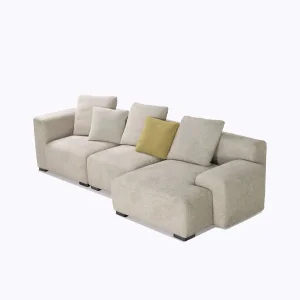
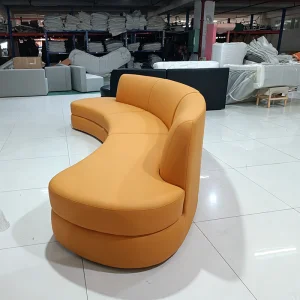
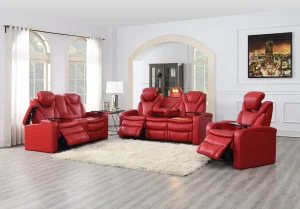
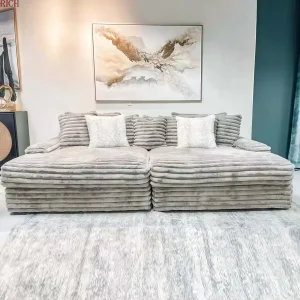
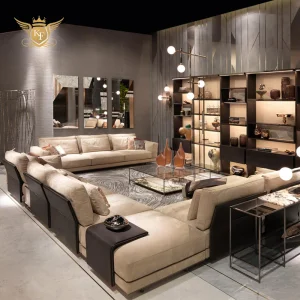
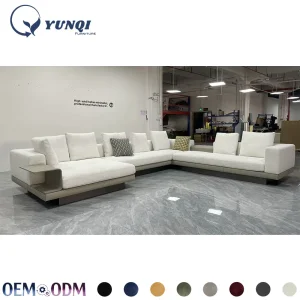
Optimized for structural integrity, extreme temperature transitions, and Scandi-style visual aesthetics.
Norway is known for its rigorous standards and premium design principles (like Funksjonalisme). However, domestic production of sectional sofas faces critical operational challenges. High labor costs, strict local emissions controls, and expensive raw material sourcing push the final retail price to levels that are unsustainable for mass-market retailers and mid-to-high commercial projects. This dynamic has turned Norway into a net importer of upholstered furniture, relying on key manufacturing hubs that can reconcile premium quality with volume scalability.
To remain competitive, Norwegian importers, contract furniture firms, and wholesalers partner with specialized manufacturers in Asia. Companies like Shunde Hark Homes Co., Ltd. bridge this gap by offering advanced OEM and ODM capabilities. This enables local brands to maintain their specific Scandinavian identity, material specifications (such as compliance with EU REACH and Nordic Ecolabel guidelines), and modular flexibility without the heavy overhead of domestic production lines.
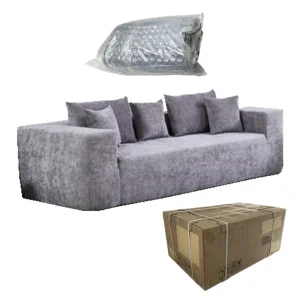
Shipping large, bulky furniture like L-shape sectional sofas from global factories to Norwegian ports such as Oslo, Bergen, or Larvik involves high ocean freight rates. To solve this, our technical teams have refined High-Density Vacuum Compression Packaging.
Our specialized hydraulic press reduces sofa shipping volume by up to 70%. This allows more units per container, significantly lowering the carbon footprint and shipping cost per unit.
Using high-resilience (HR) polyurethane foam, our modular sofas can remain compressed during ocean transit for up to 60 days, and fully expand to their original shape within 48 hours of opening.
Compressed sofas are packed in reinforced, double-wall corrugated cartons. This makes them ideal for localized e-commerce, home delivery, and movement up narrow staircases in historic Norwegian towns.
Exporting to Norway requires strict compliance with European and specific national regulations. The Norwegian Building Regulation (TEK17) mandates high fire safety standards, especially for commercial installations and hotels.
| Material Category | Norwegian / European Standard | Compliance Implementation at Hark Homes |
|---|---|---|
| Upholstery Fabrics | EN 1021-1 & EN 1021-2 (Cigarette & Match Test) | We offer specialized flame-retardant treated fabrics and wool blends that meet strict fire safety regulations. |
| Foam Core | CertiPUR-US / Oeko-Tex Standard 100 | Zero ozone depleters, PBDEs, TDCPP, TCEP flame retardants, mercury, lead, or other heavy metals. Low VOC emissions. |
| Wood Sourcing | EUTR (EU Timber Regulation) Compliance | 100% legally sourced timber (Solid Birch, Larch, Pine) with FSC (Forest Stewardship Council) certification options. |
| Chemical Content | REACH Regulation SVHC checklist | Zero prohibited chemicals used in the processing of eco-leather, microfiber, or metal finishes. |
From cozy cabins to modern metropolitan developments, our sectional sofas are engineered to fit distinct spaces.
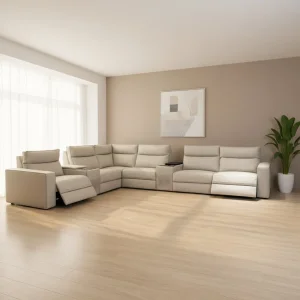
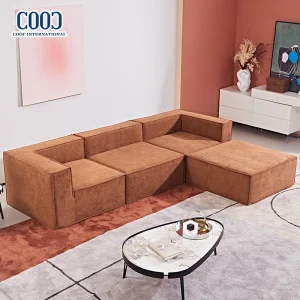
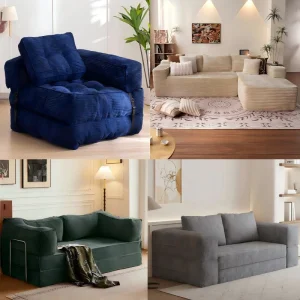
Space efficiency is key in Oslo’s growing residential market. Our modular L-shaped and boneless compressed foam sofas fit easily into narrow corridors and elevators, allowing users to customize their configurations to match compact layouts.
Norwegian cabin culture demands durable, natural aesthetics. We combine high-density foam with heavy-duty textured fabrics and solid wood support structures to withstand high-altitude temperature and humidity changes without warping.
For hotels, bars, and lobbies in Bergen and Trondheim, our heavy-use contract-grade velvet, high-durability leather, and modular lounge configurations ensure low wear-and-tear while meeting local fire hazard regulations.
Our 16-year operational legacy is built on advanced manufacturing machinery and skilled craftsmanship.
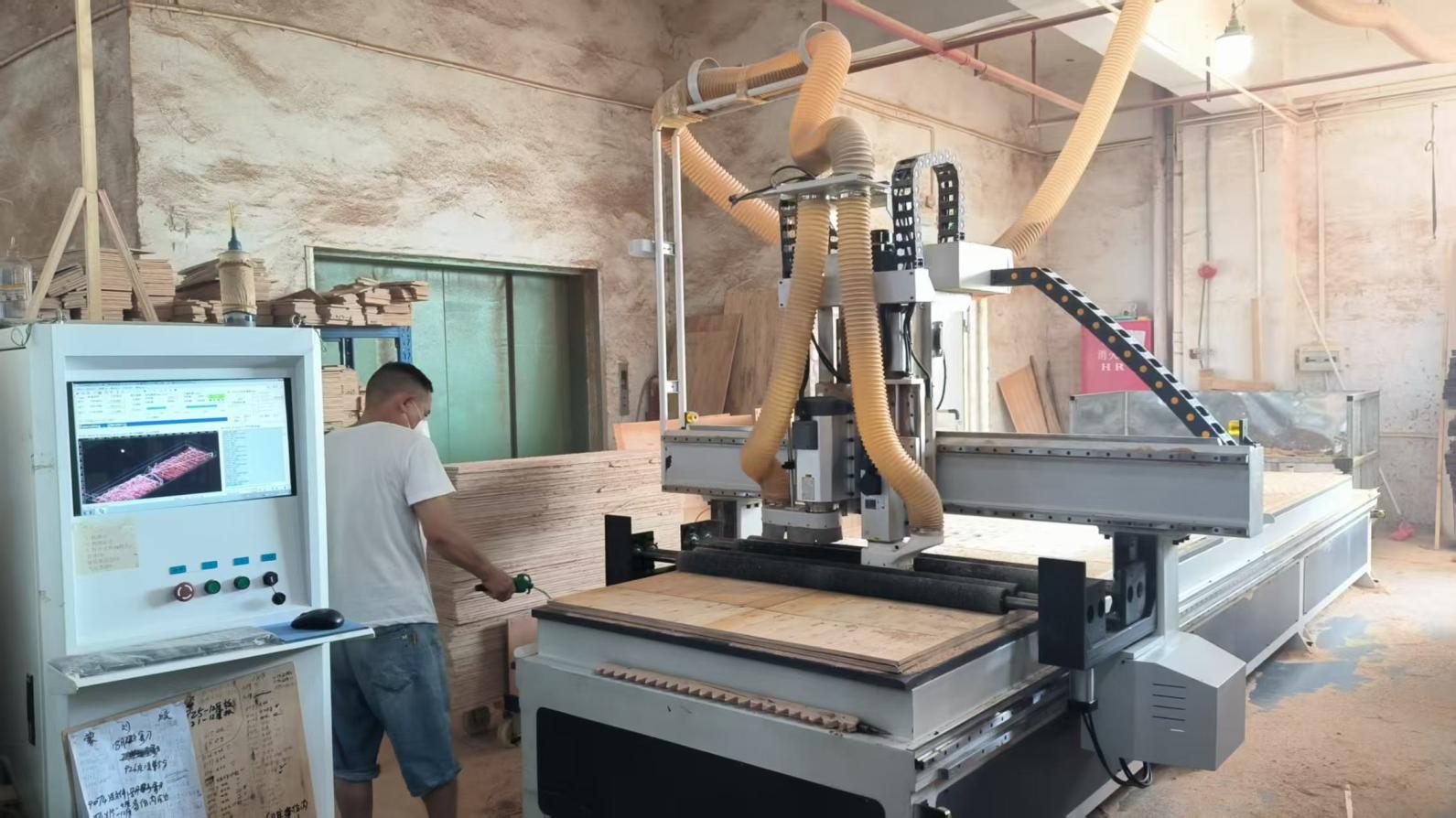
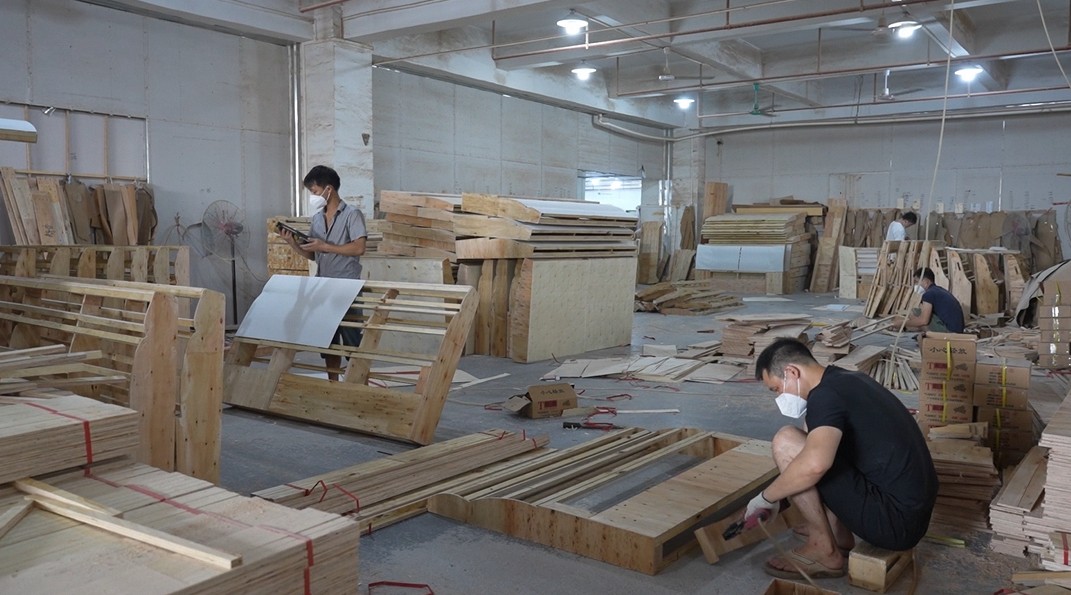
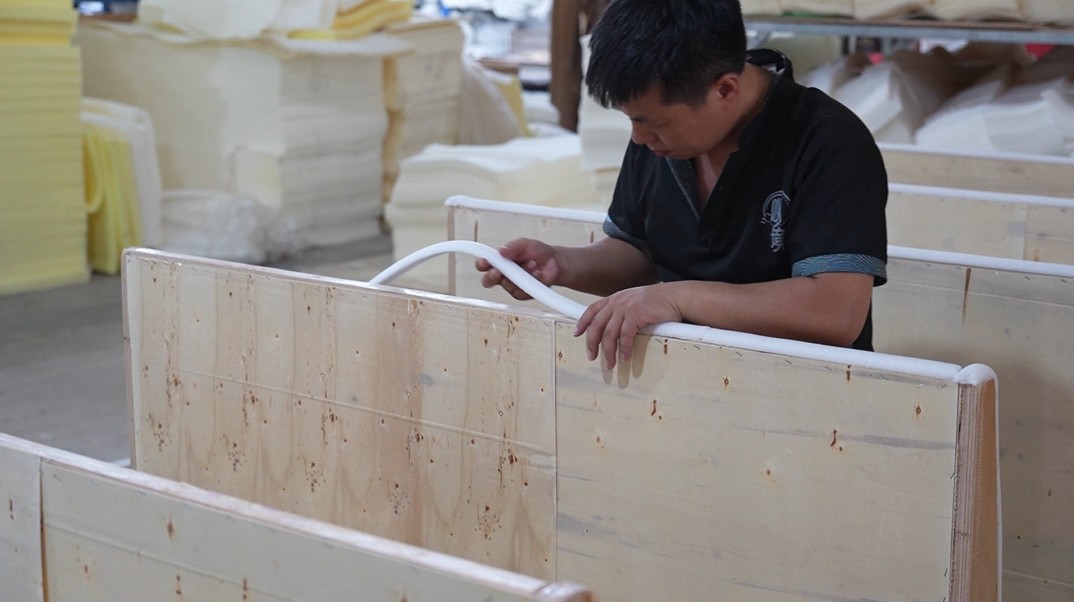
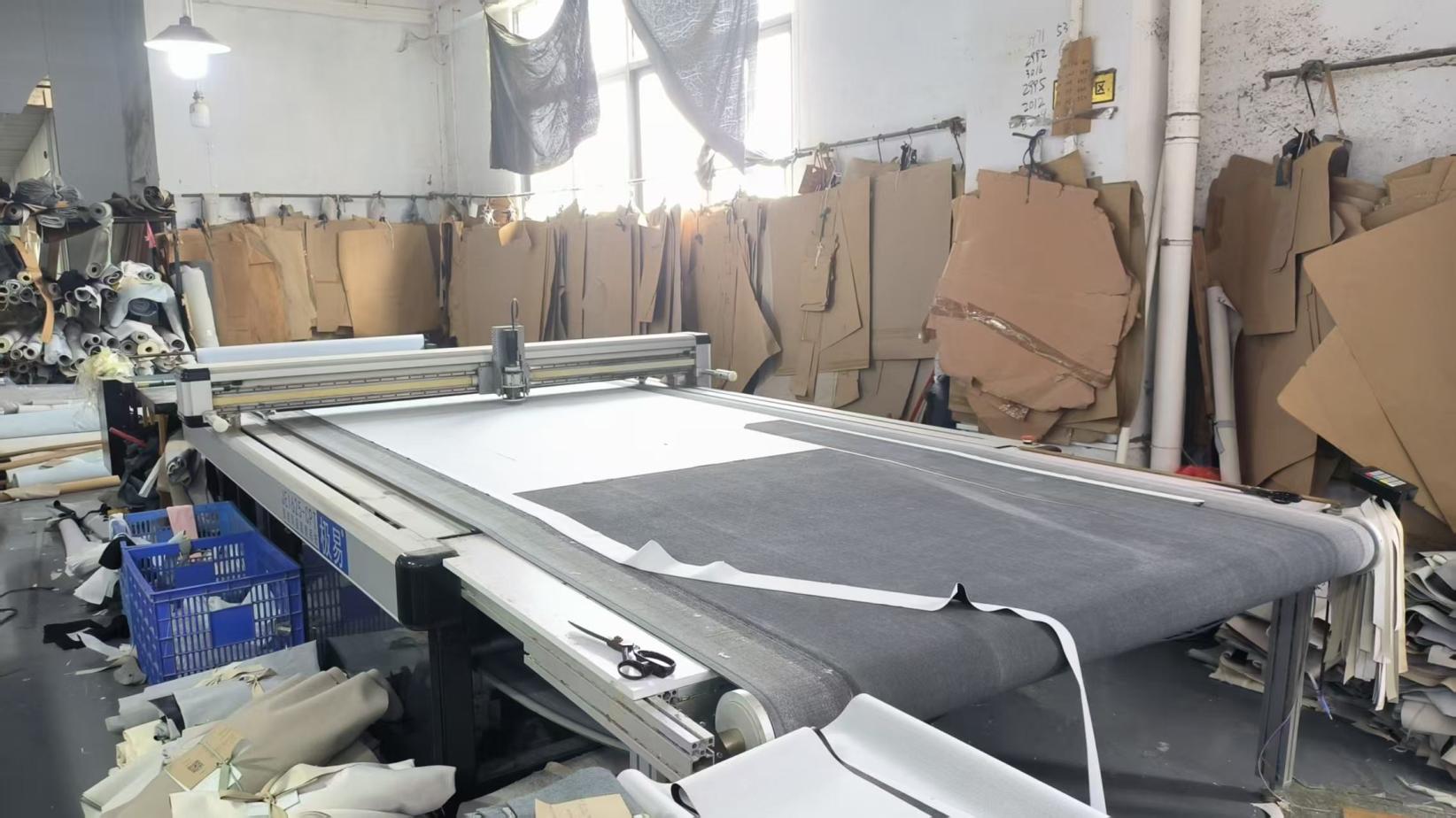
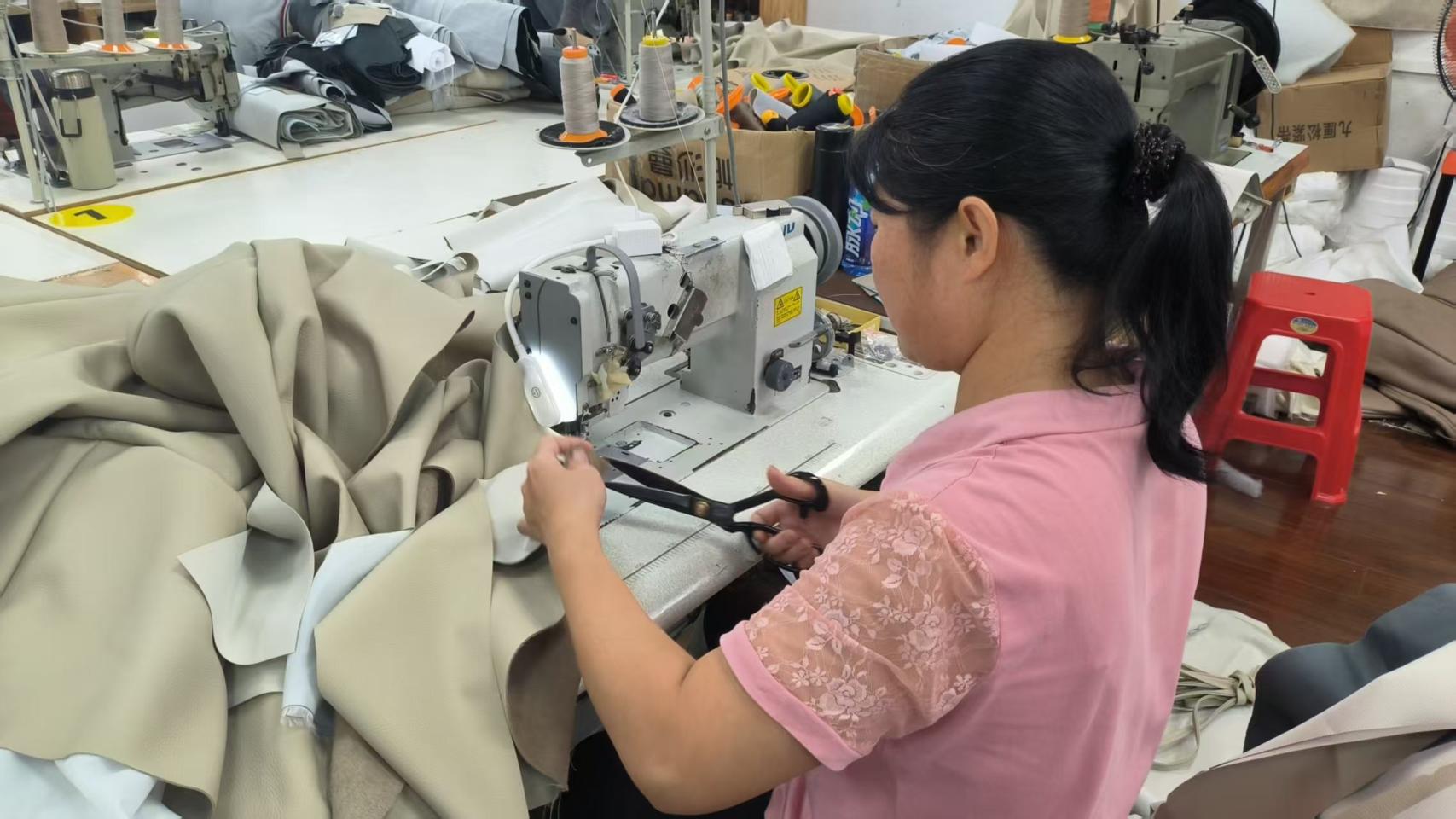
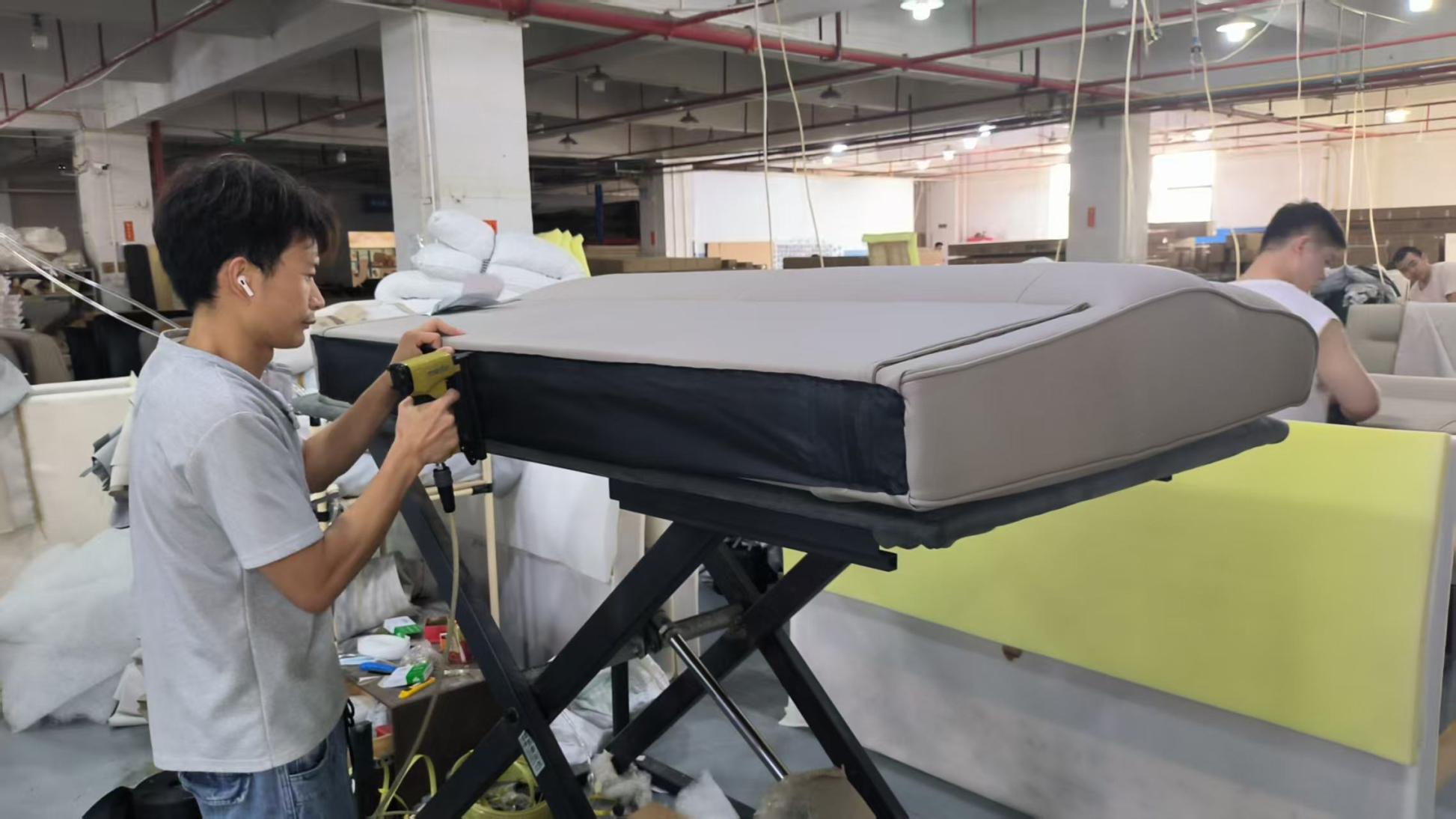
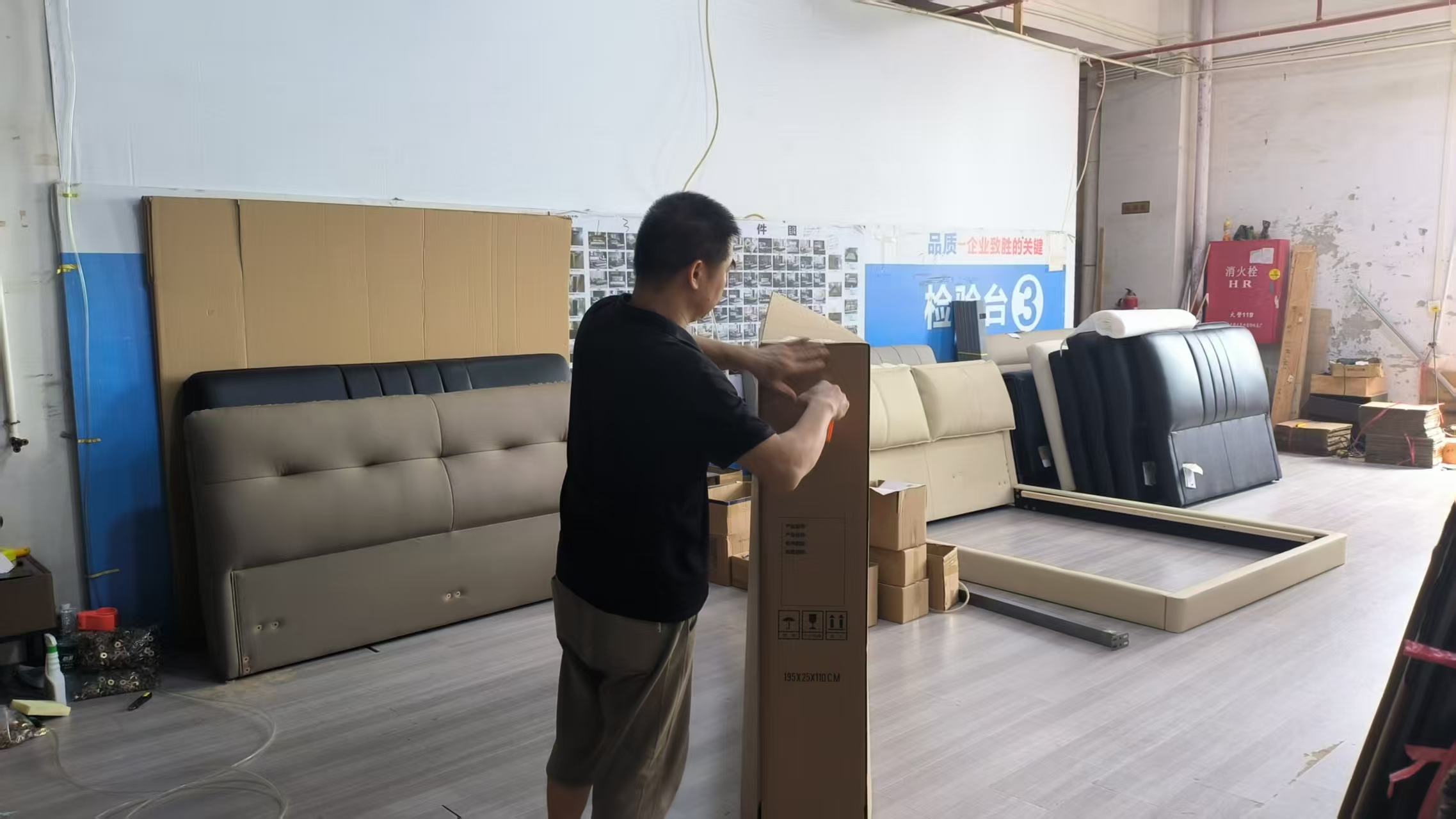
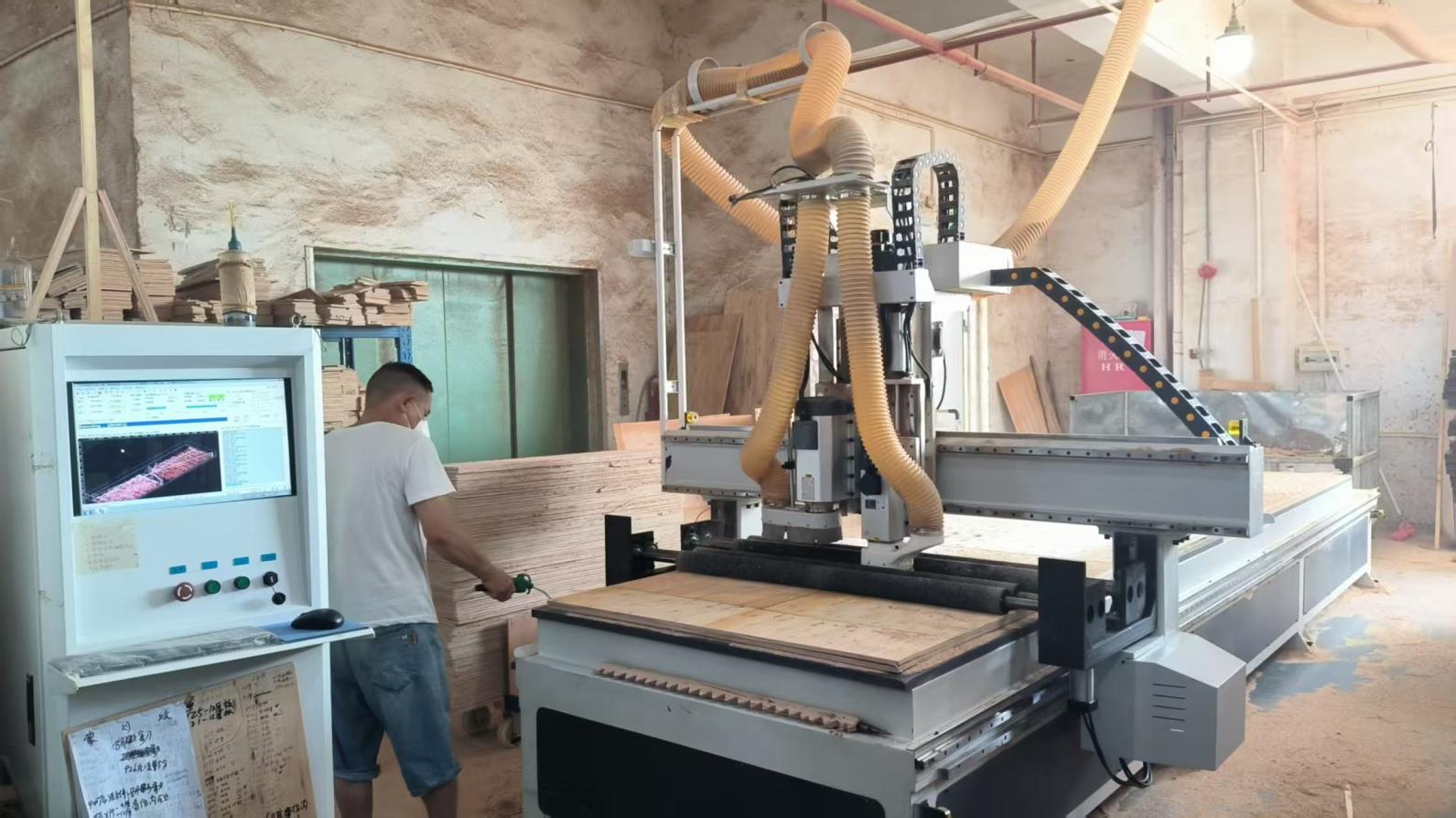
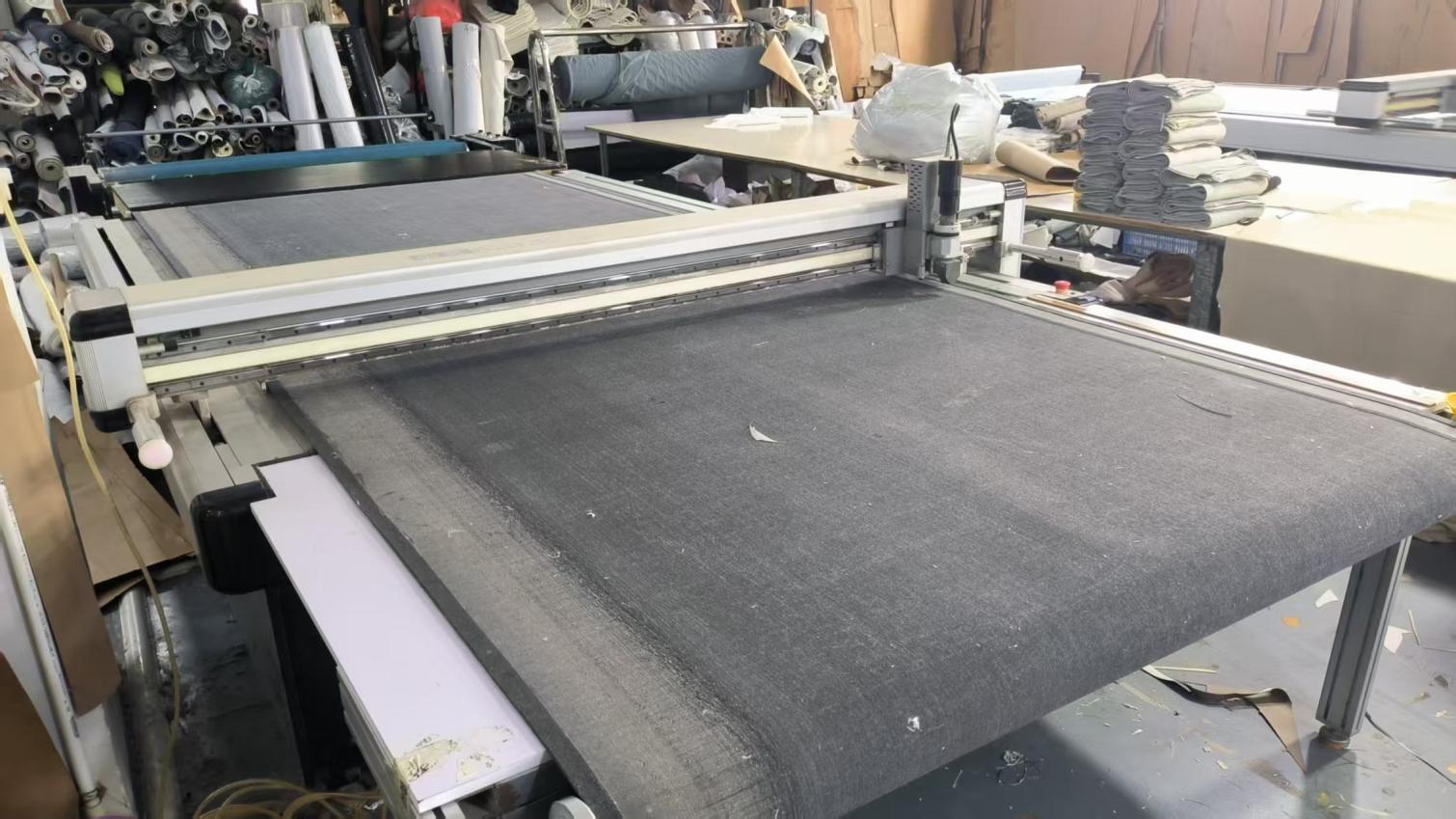
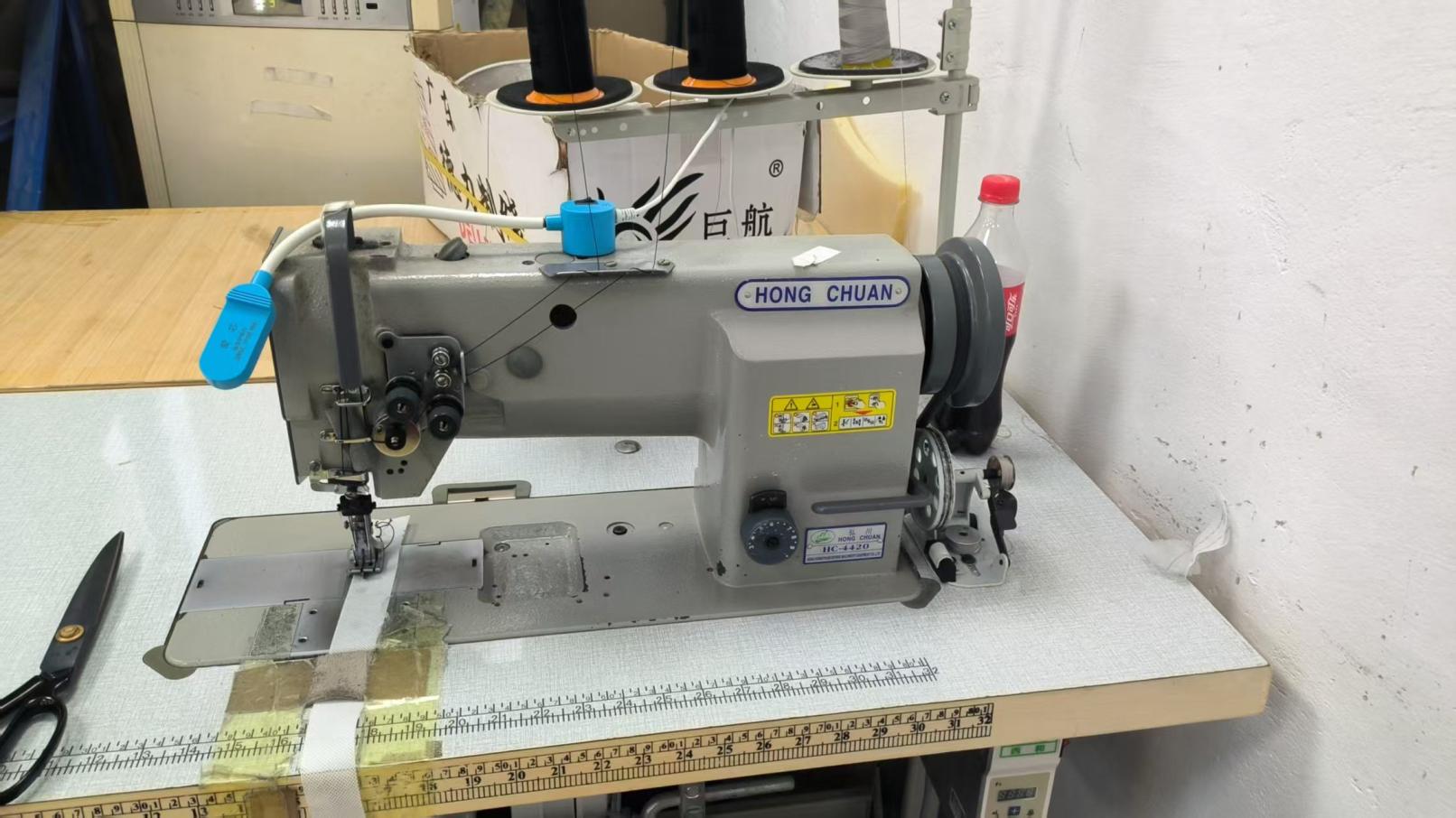
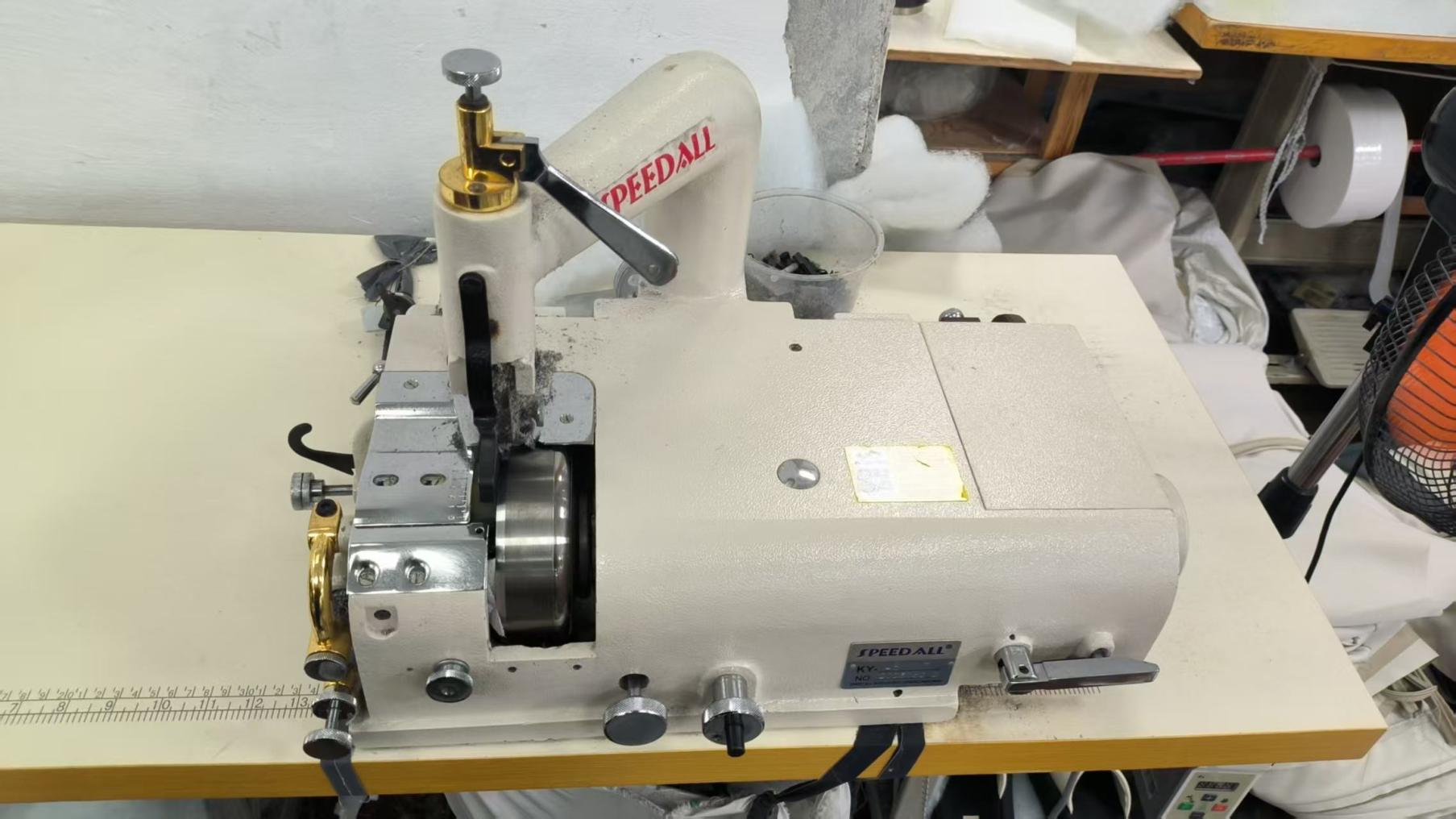
As the Norwegian market moves towards circular design frameworks, Shunde Hark Homes is adapting its design and manufacturing practices to meet future sustainability goals.
Our engineering roadmap focuses on a "Design for Disassembly" approach. We minimize complex adhesive bonding, allowing components like foam, frame, and covers to be easily separated and recycled at the end of their lifecycle.
We are expanding our range of materials to include recycled PET bottle fabrics, organic linen blends, and bio-based polyurethane foams that reduce relying on fossil fuel raw materials, aligning with the EU Green Deal requirements.
Engineered for container space optimization and local assembly support.
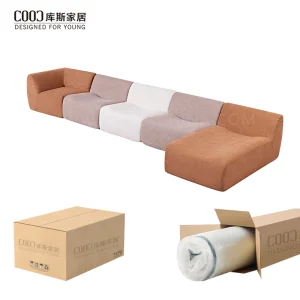
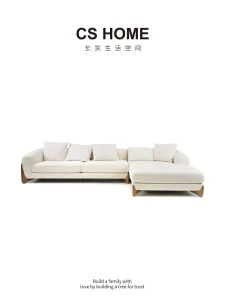
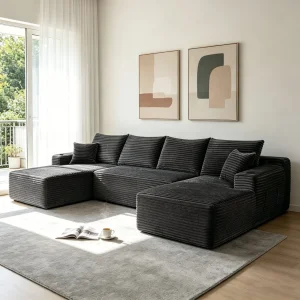
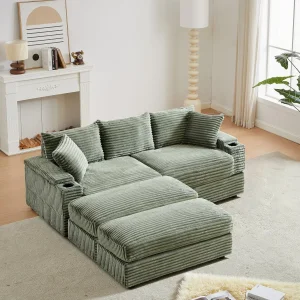
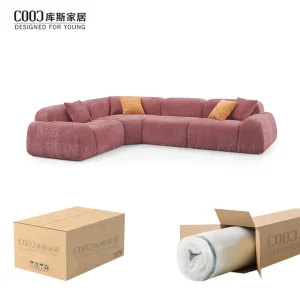
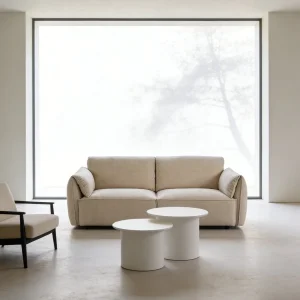
Premium grade structural frameworks and top-grain covers designed for longevity.
Answers to common questions about sourcing sectional sofas for the Norwegian market.
 Hark Homes